

Design Considerations for Dry Mix Mortar Pneumatic Conveying Systems
Shandong HeadPowder Engineering Co., Ltd., commonly known as HeadPowder, is a professional engineering firm based in Shandong, China. With a strong focus on industrial solutions, the company specializes in the design, development, and implementation of advanced pneumatic conveying systems tailored for the dry mix mortar industry. HeadPowder's expertise lies in optimizing material handling processes, ensuring efficiency, reliability, and safety in bulk material transportation.
Importance of System Design in Dry Mix Mortar Pneumatic Conveying
In the dry mix mortar sector, the efficiency of material transport directly impacts production capacity, product quality, and operational costs. A well-designed pneumatic conveying system is crucial for maintaining consistent material flow, preventing degradation, and minimizing downtime. Poorly designed systems can lead to blockages, increased energy consumption, and reduced system lifespan. Therefore, thorough planning and engineering are essential to achieve optimal performance and long-term reliability.
Key Design Considerations for Dry Mix Mortar Pneumatic Conveying Systems
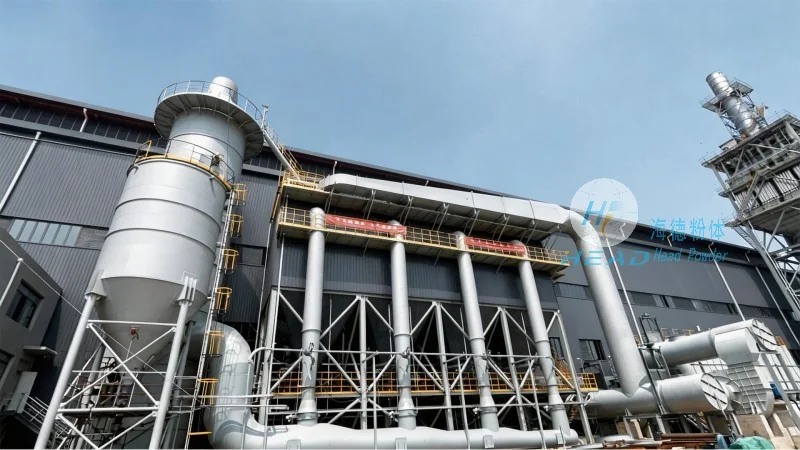
When designing a pneumatic conveying system for dry mix mortar, several critical factors must be addressed to ensure the system meets operational requirements and industry standards. These considerations include material properties, such as particle size, density, and moisture content, which influence the selection of conveying method (e.g., dilute phase or dense phase). The system's capacity, required pressure, and distance of material transport are also vital parameters. Additionally, factors like system layout, equipment selection (e.g., blowers, cyclones, and filters), and integration with existing production lines must be carefully evaluated. Proper design ensures the system operates within safe and efficient parameters, reducing maintenance and operational costs.
System Components and Functional Aspects
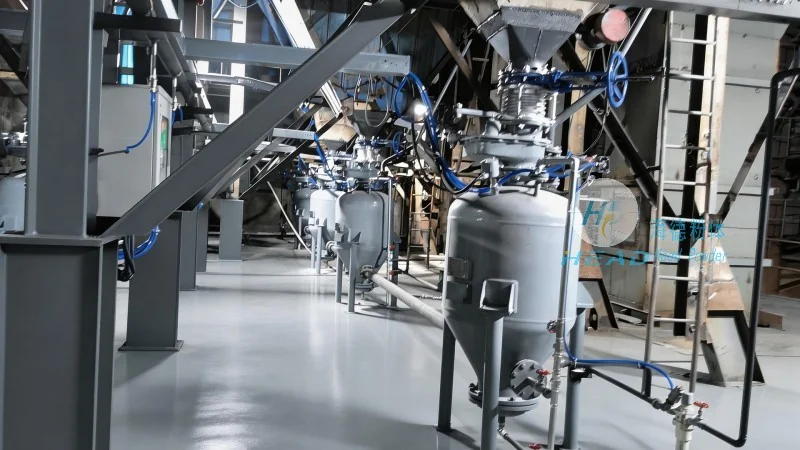
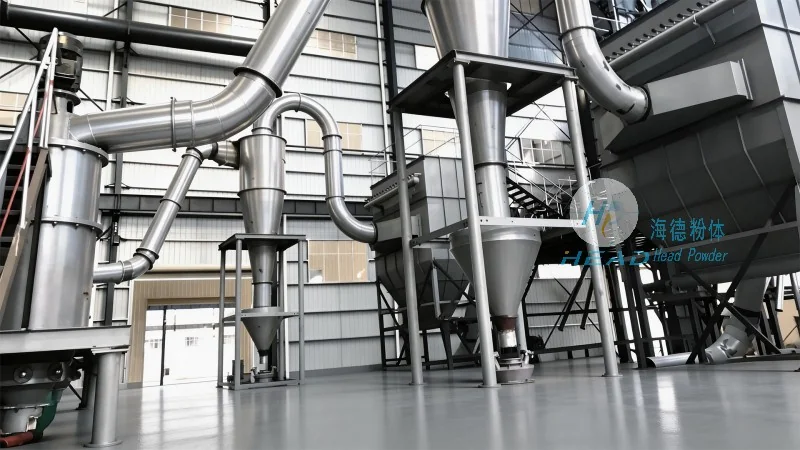
A typical dry mix mortar pneumatic conveying system consists of several key components that work in harmony to transport materials. The primary components include a blower or compressor to generate the necessary air pressure, a hopper or feeder to feed the dry mix mortar into the system, a pipeline network to transport the material, and a separator or cyclone to separate the material from the air stream. Filters are also essential to capture fine particles and maintain air quality. Each component must be selected based on the specific material characteristics and system requirements. For example, the blower's capacity and pressure must match the system's demand to avoid underperformance or excessive energy consumption. The pipeline design, including diameter and material, affects flow resistance and system efficiency. Proper sizing and layout of these components are critical to achieving smooth and continuous material transport.
Practical Applications and Case Studies
HeadPowder has successfully implemented dry mix mortar pneumatic conveying systems in various industrial settings. For instance, in a large-scale mortar production facility, the company designed a system that transports dry mix mortar from storage silos to mixing stations over a distance of 200 meters. The system utilized a dilute phase conveying method with a high-efficiency blower, ensuring consistent material flow and minimal degradation. The client reported a 20% reduction in material handling time and a 15% decrease in energy consumption compared to traditional methods. Another application involved a system for transporting mortar from a batching plant to a construction site, where the system's reliability and low maintenance requirements were key factors in the client's decision. These case studies highlight the effectiveness of well-designed pneumatic conveying systems in improving operational efficiency and reducing costs.
Conclusion: Ensuring Optimal Performance with Professional Design
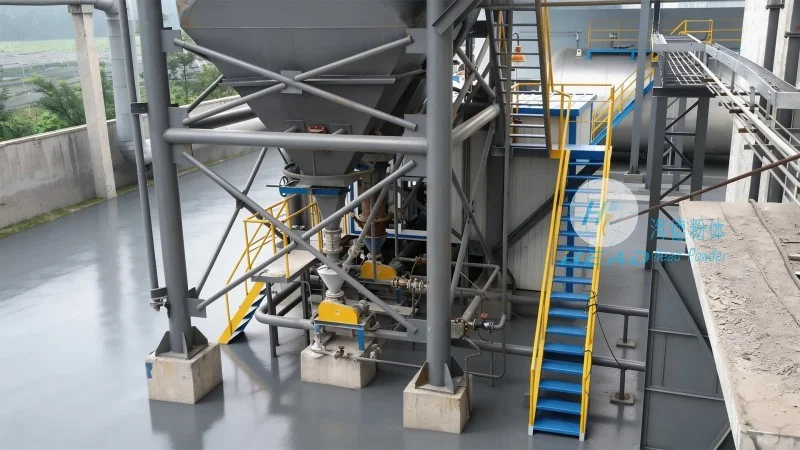
Designing a dry mix mortar pneumatic conveying system requires a comprehensive approach that considers material properties, operational requirements, and industry standards. By addressing key design considerations and selecting appropriate components, companies can achieve efficient, reliable, and cost-effective material handling solutions. Shandong HeadPowder Engineering Co., Ltd. specializes in providing tailored pneumatic conveying systems that meet the unique needs of the dry mix mortar industry. With their expertise and commitment to quality, HeadPowder helps clients optimize their material transport processes, enhance productivity, and maintain a competitive edge in the market.