

Resin Powder Conveying Methods: An Introduction to HeadPowder's Pneumatic Conveying Solutions
Resin powder, a critical material in various industrial applications, requires efficient and reliable conveying methods to ensure smooth production processes. The choice of conveying system directly impacts operational efficiency, material integrity, and overall cost-effectiveness. In this context, understanding the different resin powder conveying methods available is essential for industries such as plastics manufacturing, chemical processing, and pharmaceuticals. This article explores the primary resin powder conveying methods and highlights HeadPowder's advanced pneumatic conveying solutions, which have been designed to address the unique challenges associated with handling resin powders.
Understanding Resin Powder Conveying Methods
Resin powder conveying involves the movement of fine, dry particles from one location to another within a manufacturing facility. The primary goal is to achieve this transfer with minimal loss, contamination, and energy consumption. Several conventional and modern methods are employed, each with distinct advantages and limitations. The most common resin powder conveying methods include:
1. Mechanical Conveying Systems
Mechanical conveying systems utilize mechanical components like screws, belts, or chains to transport resin powders. These systems are often suitable for moderate conveying distances and relatively low to medium material flow rates. However, mechanical conveyors may face challenges when dealing with abrasive or sticky resin powders, as they can cause wear and tear on components. Additionally, they may not be effective for long-distance or high-volume applications due to the risk of material degradation or blockages.
2. Pneumatic Conveying Systems
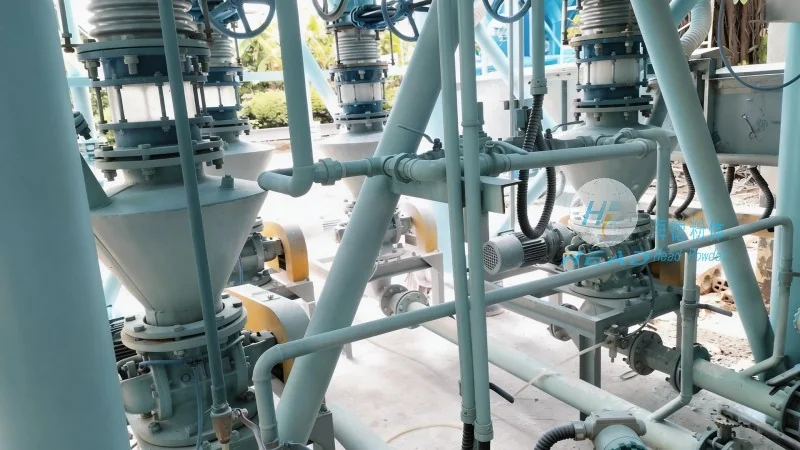
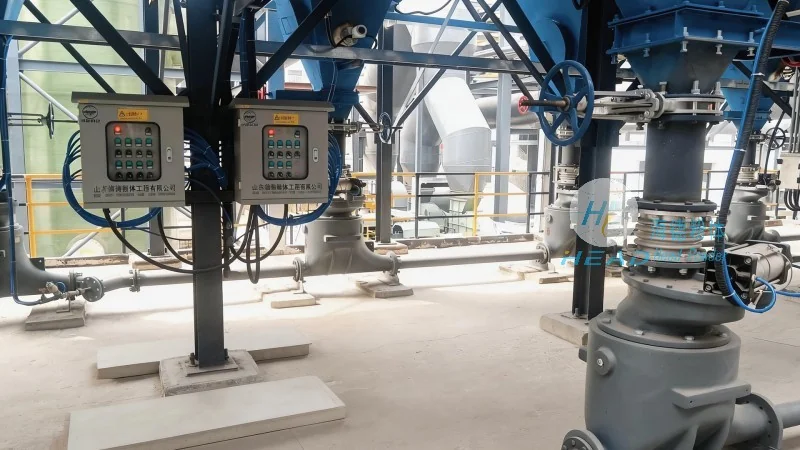
Pneumatic conveying systems, which use compressed air or other gases to transport resin powders, represent a more advanced and versatile approach to material handling. These systems are particularly well-suited for resin powders due to their ability to handle fine, dry particles with minimal risk of degradation. Pneumatic conveying can be categorized into two main types: pressure and vacuum systems. Pressure systems use compressed air to push the material through a pipeline, while vacuum systems use suction to draw the material into the system. Both types offer advantages in terms of flexibility, scalability, and the ability to handle materials over long distances.
3. Hydraulic Conveying Systems
Hydraulic conveying systems employ liquid media, typically water or oil, to transport resin powders. This method is less common for resin powders due to the potential for moisture absorption and material contamination. However, in certain applications where water-based slurries are used, hydraulic systems may be considered. The primary drawback of hydraulic conveying is the need for additional equipment to separate the liquid from the solid material, which adds complexity and cost to the overall system.
4. Gravity Conveying Systems
Gravity conveying systems rely on the natural force of gravity to move resin powders from an elevated source to a lower destination. This method is only feasible for short distances and when the material has a sufficient angle of repose to allow for smooth flow. Gravity systems are generally limited in their application due to the constraints imposed by the physical layout of the facility and the characteristics of the resin powder.
HeadPowder's Pneumatic Conveying Solutions for Resin Powders
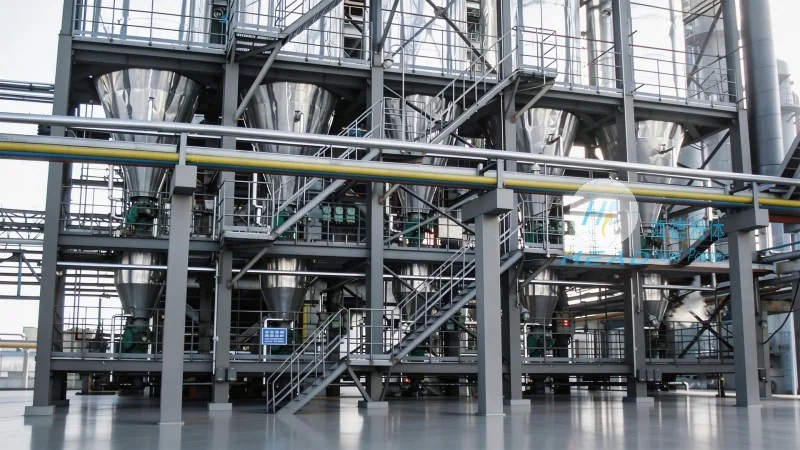
Among the various resin powder conveying methods, pneumatic conveying stands out as the most effective and efficient solution for many industrial applications. HeadPowder, a leading provider of material handling solutions, specializes in the design and manufacturing of advanced pneumatic conveying systems tailored to the specific needs of resin powder handling. The company's expertise lies in developing customized solutions that address the unique challenges associated with resin powders, such as their fine particle size, hygroscopic nature, and potential for agglomeration.
Key Features of HeadPowder's Pneumatic Conveying Systems
HeadPowder's pneumatic conveying systems are engineered with several key features that enhance their performance and reliability. These features include:
1. Customized Design for Resin Powder Characteristics
Each HeadPowder system is tailored to the specific properties of the resin powder being handled. This includes considerations such as particle size distribution, moisture content, and flowability. By understanding the material's characteristics, HeadPowder can design a system that minimizes material degradation, ensures consistent flow, and maximizes system efficiency.
2. Advanced Air Control and Filtration
Effective air control is crucial in pneumatic conveying systems to maintain material quality and prevent system contamination. HeadPowder's systems incorporate advanced air filtration and control mechanisms that ensure clean air is used for conveying and that any particulate matter is efficiently removed from the system. This helps to maintain the purity of the resin powder and extend the lifespan of system components.
3. Scalable and Flexible Systems
HeadPowder's pneumatic conveying solutions are designed to be scalable and flexible, allowing for easy integration into existing production lines or expansion as production needs grow. The systems can be configured to handle varying material flow rates and conveying distances, making them suitable for a wide range of applications, from small-scale laboratory operations to large-scale industrial production.
4. Energy Efficiency and Low Maintenance
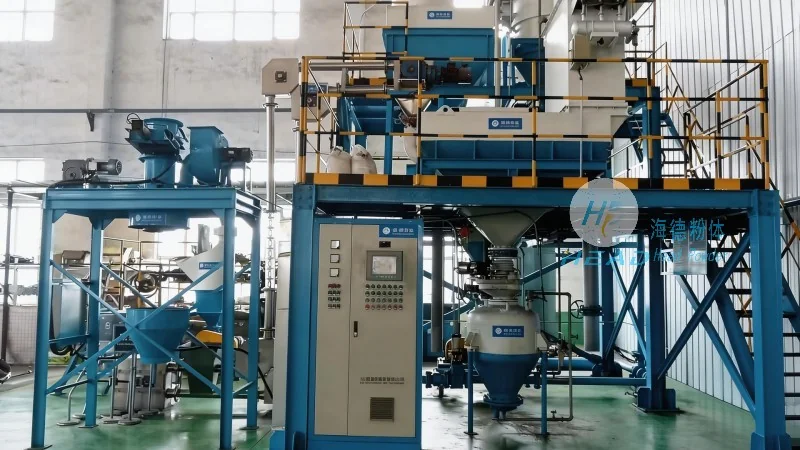
Energy efficiency is a key consideration in modern material handling systems. HeadPowder's pneumatic conveying systems are engineered to minimize energy consumption while maintaining high conveying performance. Additionally, the use of high-quality materials and robust design reduces the need for frequent maintenance, resulting in lower operational costs and increased system uptime.
Benefits of Choosing HeadPowder's Pneumatic Conveying Solutions
Implementing HeadPowder's pneumatic conveying systems for resin powder handling offers several significant benefits. These include improved operational efficiency, reduced material loss and contamination, enhanced product quality, and lower overall operating costs. The systems are also designed to be user-friendly and easy to maintain, reducing the need for specialized technical expertise.
Conclusion
In conclusion, the choice of resin powder conveying method is a critical decision for industries relying on resin powders. While mechanical, hydraulic, and gravity systems have their applications, pneumatic conveying, particularly with advanced solutions from HeadPowder, offers the most reliable and efficient approach. HeadPowder's commitment to innovation and customization ensures that their pneumatic conveying systems are well-suited to handle the unique challenges of resin powder handling, providing industries with a robust and effective material handling solution.