

Design of a Sulfate Ammonium Pneumatic Conveying System
HeadPowder, a leading engineering firm based in Shandong, China, specializes in the design and implementation of advanced pneumatic conveying systems for industrial applications. This article focuses on the design of a sulfate ammonium pneumatic conveying system, highlighting key components, operational principles, and the engineering considerations that ensure efficient and reliable material transport.
System Overview and Core Components
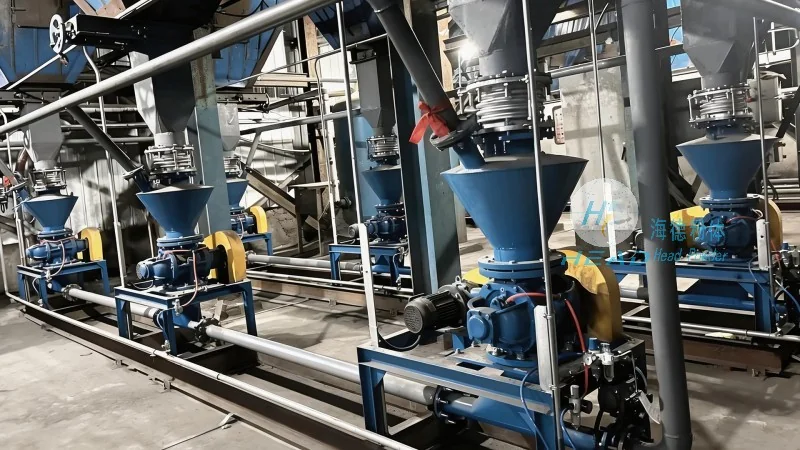
The sulfate ammonium pneumatic conveying system is engineered to handle bulk materials such as sulfate ammonium, a common fertilizer and industrial chemical. The system integrates several critical components that work in tandem to achieve seamless material transport. These include a material feed hopper, a positive displacement blower or air compressor, a conveying pipeline network, and a discharge unit. Each component is meticulously designed to meet the specific requirements of sulfate ammonium, ensuring minimal degradation and maximum efficiency.
Material Handling and Flow Control
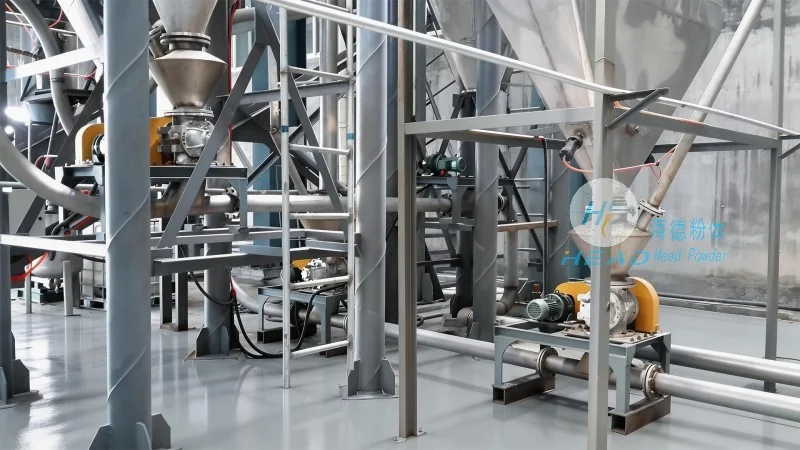
Effective material handling is a cornerstone of the system's design. The feed hopper is equipped with a rotary valve or screw feeder to regulate the flow of sulfate ammonium into the conveying line. This control mechanism prevents overloading and maintains a consistent material feed rate, which is crucial for maintaining system performance and preventing blockages. The design also incorporates a venturi or eductor section where compressed air is introduced to create the necessary airflow for pneumatic transport. This section is optimized to achieve the optimal air-to-material ratio, balancing energy consumption and conveying efficiency.
System Performance and Operational Efficiency
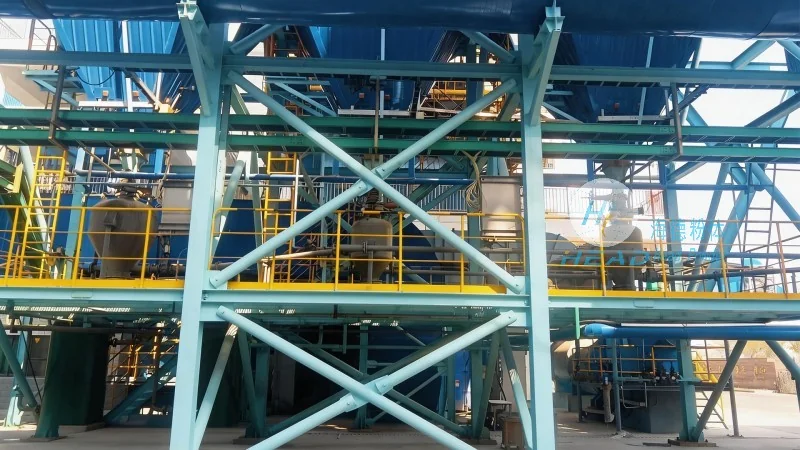
The performance of the sulfate ammonium pneumatic conveying system is evaluated based on several key metrics, including conveying capacity, pressure drop, and energy consumption. The system is engineered to achieve high conveying capacities while maintaining low pressure drops across the pipeline network. This is achieved through the use of smooth, corrosion-resistant pipelines and strategically placed expansion joints to accommodate thermal changes. The blower or air compressor is selected based on the required airflow and pressure, ensuring that the system operates within its optimal range. Additionally, the system incorporates monitoring and control features, such as pressure sensors and flow meters, to provide real-time feedback and allow for adjustments to maintain optimal performance.
Engineering Considerations and Safety Features
During the design phase, several engineering considerations were addressed to ensure the safety and reliability of the system. These include material compatibility, where the components are made from materials resistant to sulfate ammonium, such as stainless steel or specialized polymers, to prevent corrosion and material degradation. The system also incorporates safety features, such as pressure relief valves and emergency shut-off mechanisms, to protect against overpressure and other potential hazards. Furthermore, the design adheres to relevant industrial standards and regulations, ensuring compliance and reliability in various operational environments.
Conclusion and Application Scope
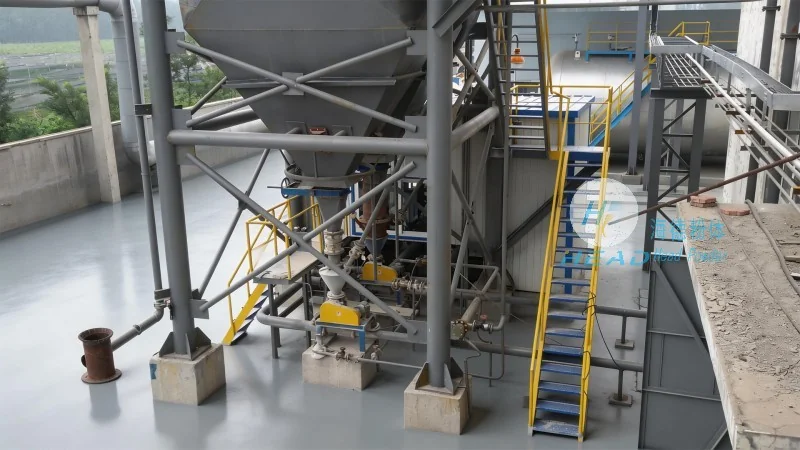
HeadPowder's design of the sulfate ammonium pneumatic conveying system exemplifies the company's commitment to delivering high-quality, efficient, and reliable industrial solutions. The system is suitable for a wide range of applications, including fertilizer production, chemical processing, and material handling in industrial facilities. By leveraging advanced engineering principles and careful material selection, the system ensures optimal performance, minimal maintenance, and long-term reliability. HeadPowder continues to innovate in the field of pneumatic conveying systems, providing tailored solutions that meet the specific needs of its clients.