

Role of Pneumatic Conveying in Flour and Grain Transportation
For businesses in the flour and grain industry, efficient material handling is crucial to maintaining operational efficiency and product quality. Pneumatic conveying systems have emerged as a key solution for transporting bulk materials like flour, corn, wheat, and other grains with precision and reliability. This article explores the critical role of pneumatic conveying in flour and grain transportation, highlighting its benefits and applications within the industry.
Understanding Pneumatic Conveying Systems
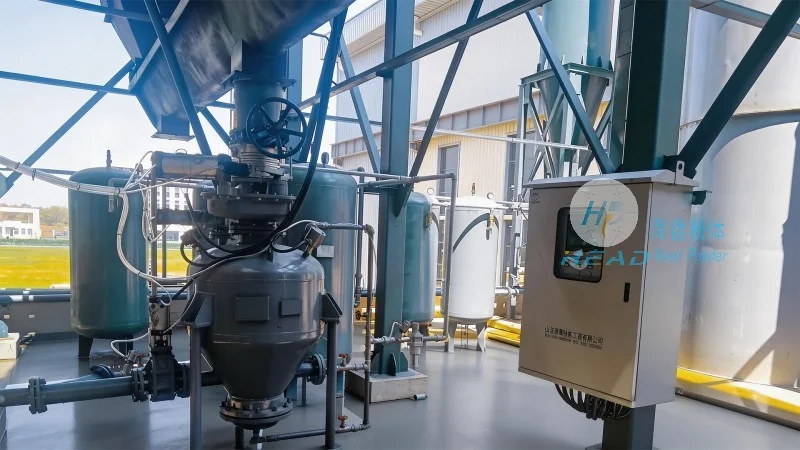
Pneumatic conveying uses compressed air or gas to transport dry bulk materials through a pipeline network. Unlike traditional mechanical conveyors, this method eliminates the need for moving parts in the conveying line, reducing maintenance requirements and minimizing product contamination. The system typically consists of a hopper, a conveyor line, and a receiver, with the air flow controlling the material's movement. There are two main types of pneumatic conveying: pressure and vacuum systems, each suited to different operational needs and material characteristics.
Applications in Flour and Grain Handling
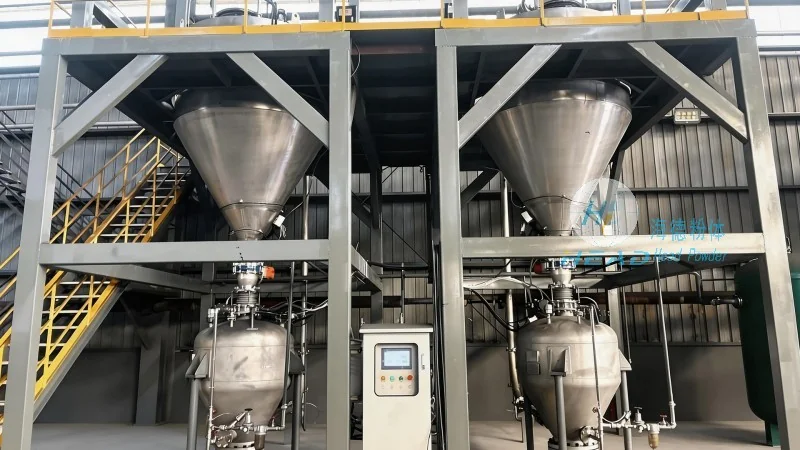
HeadPowder, a leading provider of engineering solutions for the food processing sector, specializes in designing and manufacturing pneumatic conveying systems tailored to the unique demands of flour and grain processing. Our systems are engineered to handle various grain types, from fine powders like wheat flour to larger particles such as corn kernels, ensuring consistent and efficient transport throughout the production process. In flour mills, pneumatic conveying is commonly used for transporting raw materials from storage silos to processing units, as well as for moving finished products to packaging areas. This technology helps streamline operations, reduce downtime, and improve overall productivity.
Key Advantages of Pneumatic Conveying in Grain and Flour Processing
Implementing pneumatic conveying systems in flour and grain handling offers several significant advantages. First, it provides a hygienic and dust-free environment, which is essential for maintaining product purity and meeting regulatory standards. The enclosed pipeline system prevents cross-contamination and reduces the risk of dust explosions, making it safer for both workers and the facility. Second, pneumatic conveying allows for precise control over material flow rates, ensuring consistent delivery to downstream processes. This accuracy is vital in flour mills where uniformity in product quality is paramount. Third, the system's flexibility enables easy integration with existing production lines, allowing for modifications and expansions without major disruptions. Additionally, the reduced need for manual handling minimizes labor costs and improves workplace safety.
Customized Solutions by HeadPowder
Shandong HeadPowder Engineering Co., Ltd., based in Shandong, China, is committed to delivering high-quality pneumatic conveying solutions that meet the specific needs of flour and grain processors. Our team of experienced engineers works closely with clients to design systems that optimize material transport while adhering to industry standards and safety regulations. We offer a range of customized solutions, including pressure and vacuum conveying systems, as well as integrated material handling systems that combine conveying with storage and processing. Our products are built with durable materials, such as stainless steel, to withstand the corrosive and abrasive nature of grain and flour, ensuring long-term reliability and minimal maintenance.
Enhancing Operational Efficiency with Pneumatic Conveying
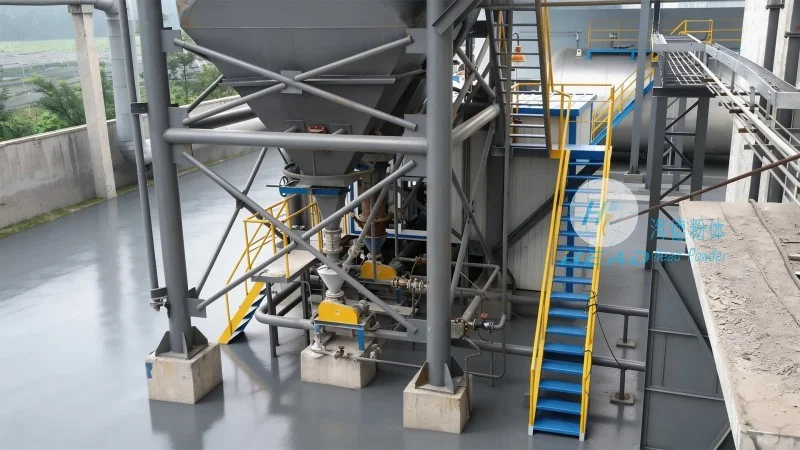
By adopting pneumatic conveying technology, flour and grain processing facilities can achieve substantial improvements in operational efficiency. The automated material transport reduces the reliance on manual labor, allowing workers to focus on more critical tasks. The consistent flow of materials minimizes bottlenecks and ensures that production lines run smoothly without interruptions. Furthermore, the ability to transport materials over long distances without the need for intermediate storage points optimizes space utilization in the facility. These benefits contribute to lower operational costs and higher profitability for businesses in the industry.
Conclusion
Pneumatic conveying plays a vital role in modern flour and grain transportation, offering a reliable and efficient solution for material handling. With its hygienic design, precise control, and flexibility, this technology is essential for maintaining product quality and operational efficiency in the food processing sector. HeadPowder, with its expertise and commitment to quality, continues to provide innovative pneumatic conveying systems that meet the evolving needs of the industry, helping businesses achieve their production goals while ensuring safety and compliance.