

Role of Pneumatic Conveying in Aggregate Transportation
Efficient material handling is a critical aspect of construction and industrial operations, particularly when dealing with bulk materials like aggregates such as gravel, crushed stone, or sand. Among the various methods available for transporting these materials, pneumatic conveying stands out as a versatile and effective solution. This article explores the role of pneumatic conveying systems in the transport of aggregates, highlighting the benefits, applications, and technical considerations that make it a preferred choice for many industries.
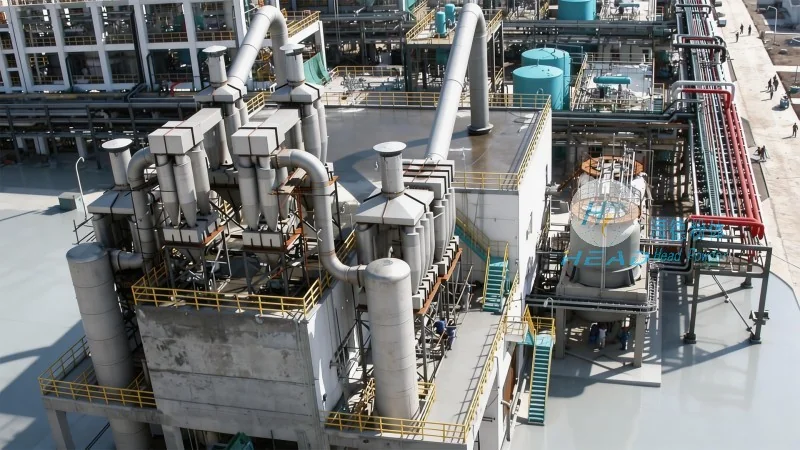
Pneumatic Conveying: An Overview
Pneumatic conveying, also known as pneumatic transport, is a method of transporting bulk materials through a pipeline using air or other gases. Unlike traditional methods like belt conveyors or bucket elevators, which rely on mechanical components and physical contact with the material, pneumatic systems use air pressure to move particles through a sealed system. This approach offers several advantages, including reduced maintenance, lower energy consumption, and the ability to handle a wide range of materials with varying properties.
Application in Aggregate Transport
For the transportation of aggregates, which are commonly used in construction projects, the choice of conveying system significantly impacts efficiency and cost. Traditional methods may struggle with the abrasive nature of aggregates, leading to wear and tear on equipment. Pneumatic conveying, however, is well-suited for handling these materials due to its ability to maintain a consistent flow and minimize material degradation. The system can transport aggregates over long distances, often with minimal loss of material quality, making it ideal for large-scale construction sites and industrial facilities.
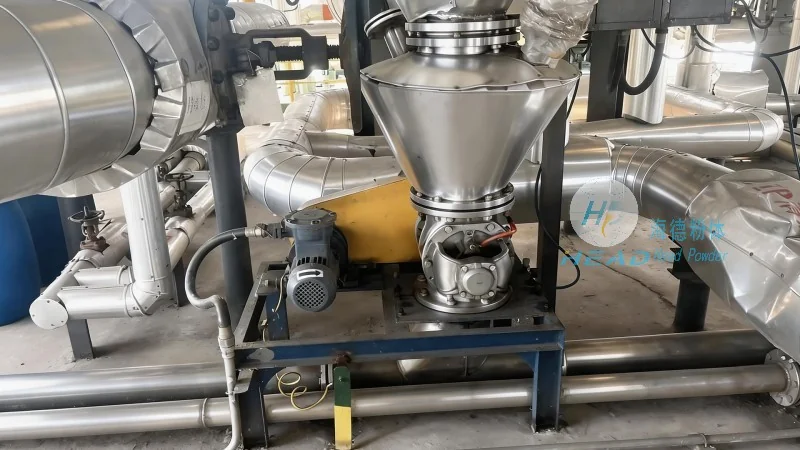
Key Benefits of Pneumatic Conveying for Aggregates
Several key benefits make pneumatic conveying an attractive option for aggregate transport. First, it offers a high degree of flexibility in terms of layout and installation. Unlike fixed belt conveyors, pneumatic systems can be easily reconfigured or expanded to accommodate changes in production needs or site layout. Second, the system provides excellent control over material flow, allowing for precise dosing and regulation of the aggregate supply to downstream processes. This is particularly important in applications such as concrete mixing, where consistent material quality is essential for product performance.
Third, pneumatic conveying reduces the risk of dust and contamination compared to open-air systems. The sealed pipeline design prevents dust from escaping into the environment, improving workplace safety and compliance with environmental regulations. Additionally, the system minimizes the need for manual handling, reducing labor costs and the risk of workplace injuries associated with moving heavy or bulky materials.
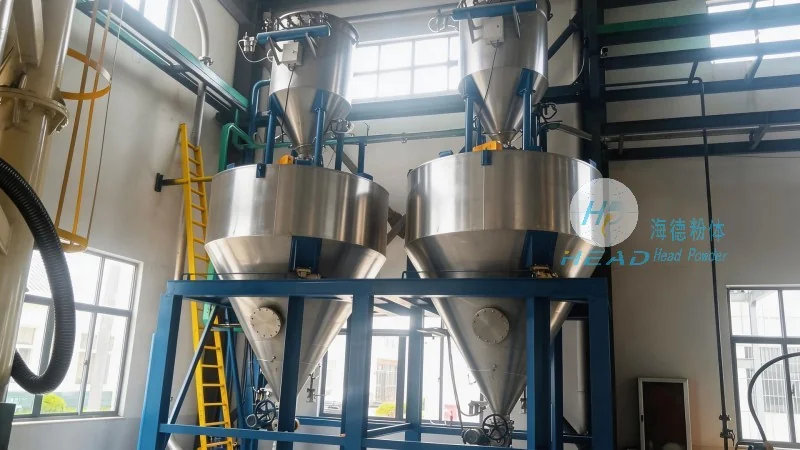
Technical Considerations for Pneumatic Aggregate Conveying
Implementing a pneumatic conveying system for aggregates requires careful consideration of several technical factors. The first is the selection of the appropriate conveying type, which can be either positive pressure (where air is blown into the system to push material forward) or negative pressure (where air is drawn out to pull material). The choice depends on the distance to be covered, the material characteristics, and the available space for installation. For long-distance transport, positive pressure systems are often preferred due to their higher efficiency and ability to handle larger volumes.
Another critical factor is the design of the pipeline and components. The material of the pipeline, such as stainless steel or high-density polyethylene, must be chosen to withstand the abrasive nature of aggregates and resist corrosion. The size and configuration of the pipeline, including bends and elbows, are also important to minimize pressure losses and ensure smooth material flow. Proper maintenance of the system, including regular cleaning and inspection of components, is essential to maintain performance and extend the lifespan of the equipment.
Case Study: Successful Implementation by Shandong HeadPowder Engineering Co., Ltd.
Shandong HeadPowder Engineering Co., Ltd., a leading provider of material handling solutions, has successfully implemented pneumatic conveying systems for aggregate transport in various projects. One notable case involved a large construction site in China where the company installed a positive pressure pneumatic system to transport crushed stone from a quarry to a concrete batching plant. The system was designed to handle 500 tons of aggregate per hour, covering a distance of 2 kilometers. The implementation resulted in a significant reduction in transportation time and labor costs, while maintaining the quality of the aggregates. The project also demonstrated the system's ability to handle abrasive materials without excessive wear, ensuring long-term reliability.
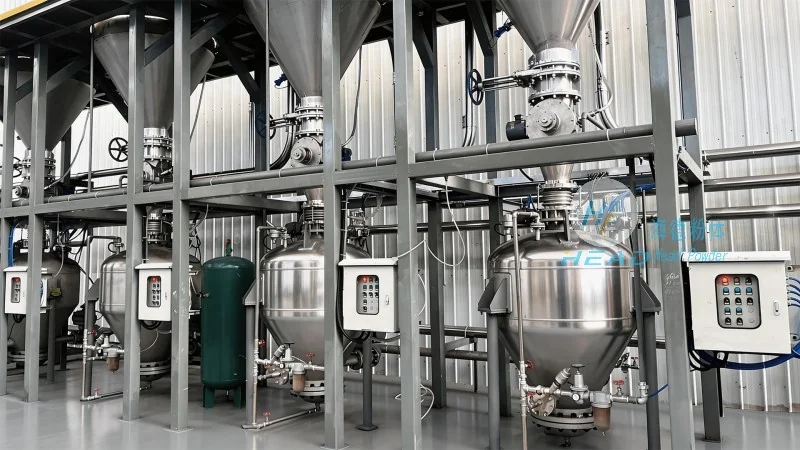
Another project involved a recycling facility where the company installed a negative pressure pneumatic system to transport recycled aggregates from a sorting area to a storage silo. The system was designed to handle a wide range of materials, including crushed concrete and brick, and was integrated with a dust collection system to comply with environmental regulations. The success of these projects highlights the versatility and effectiveness of pneumatic conveying systems in aggregate transport, as well as the expertise of Shandong HeadPowder Engineering Co., Ltd. in designing and implementing such solutions.
Conclusion
Pneumatic conveying plays a vital role in the efficient and reliable transport of aggregates in construction and industrial applications. By leveraging the advantages of air-based transport, such as flexibility, control, and reduced environmental impact, companies can improve their operational efficiency and product quality. With proper design and maintenance, pneumatic conveying systems can provide long-term benefits, making them a valuable investment for any operation handling bulk materials. As the demand for efficient material handling solutions continues to grow, the role of pneumatic conveying in aggregate transport is likely to remain significant, with ongoing advancements in technology further enhancing its capabilities.