

What Are the Main Structures of Cellulose Pneumatic Conveying Systems?
Cellulose, a fundamental organic polymer, is widely used in various industries including paper, textiles, and biofuels. The efficient and reliable transportation of cellulose materials is crucial for industrial processes. Pneumatic conveying systems offer a solution by utilizing air to move bulk materials like cellulose, providing advantages such as low maintenance, flexibility, and the ability to handle sensitive materials without damage. This article explores the main structures of cellulose pneumatic conveying systems, highlighting key components and their functions.
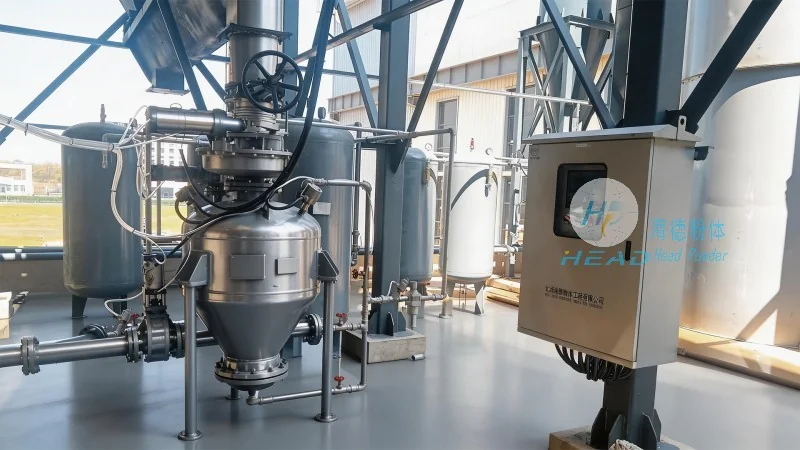
About Shandong HeadPowder Engineering Co., Ltd.
Shandong HeadPowder Engineering Co., Ltd., operating under the brand name headpowder, specializes in the design, manufacturing, and installation of pneumatic conveying systems. With a focus on providing tailored solutions for diverse industrial applications, the company leverages advanced engineering and technology to ensure optimal performance and durability. HeadPowder's expertise in cellulose handling and material transport has established it as a trusted partner in the industry, delivering high-quality systems that meet the specific needs of clients.
Main Structures of Cellulose Pneumatic Conveying Systems
The core structure of a cellulose pneumatic conveying system typically includes several key components that work in tandem to achieve efficient material transport. The primary elements are the material feed hopper, the air supply system, the conveying line, and the discharge unit. Each component plays a critical role in the overall operation, ensuring smooth and continuous movement of cellulose materials.
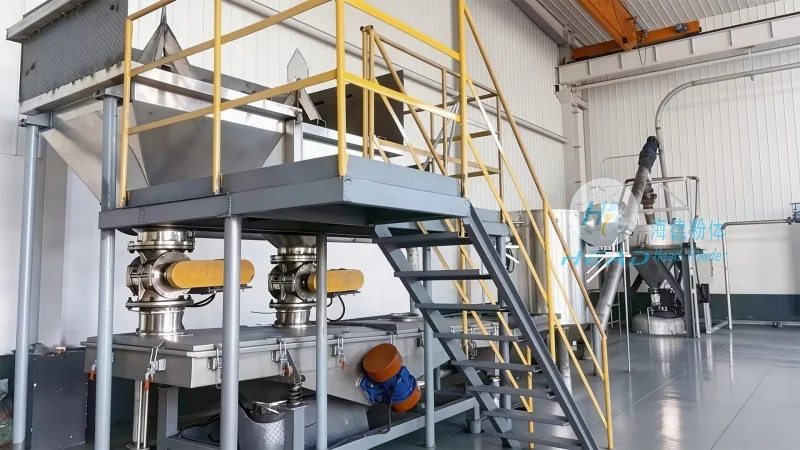
Material Feed Hopper
The material feed hopper is the initial component where cellulose is introduced into the system. It is designed to store and feed the bulk material into the conveying line. The hopper often features a hopper body with a discharge valve or gate that controls the flow rate of the material. For cellulose, which can be in various forms such as flakes, powder, or fibers, the hopper may include a pre-screening or conditioning section to ensure consistent material quality. The design of the hopper is crucial to prevent material bridging or clogging, which can disrupt the conveying process. HeadPowder's feed hoppers are engineered with robust materials and precise dimensions to handle different cellulose types, ensuring reliable material input.
Air Supply System
The air supply system is responsible for generating the necessary airflow to move the cellulose particles through the conveying line. This system typically includes a blower or compressor, air filters, and pressure regulators. The blower provides the motive force, while the filters ensure that the air is clean and free from contaminants that could affect the cellulose or the system components. Pressure regulators maintain a consistent air pressure, which is vital for stable conveying performance. Different types of blowers, such as rotary lobe or centrifugal, may be used depending on the system's requirements, including the material's density and the conveying distance. HeadPowder's air supply systems are equipped with high-efficiency blowers and advanced filtration to deliver optimal performance and longevity.
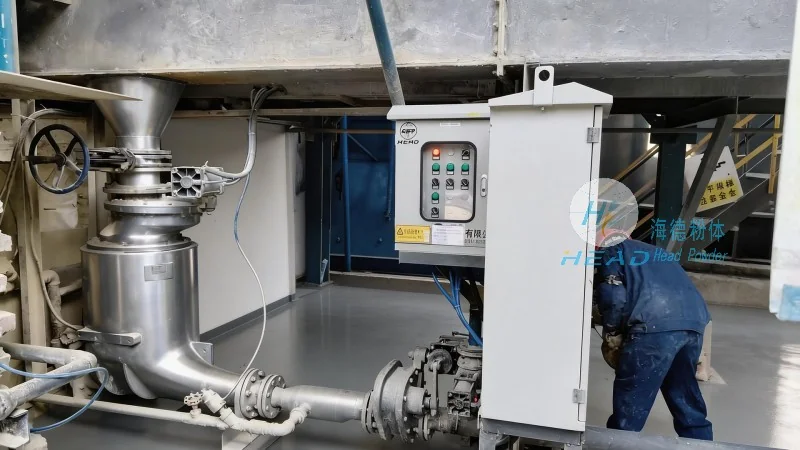
Conveying Line
The conveying line is the central part of the pneumatic system where the cellulose travels from the feed hopper to the discharge point. It is usually made of metal or high-quality plastic pipes, selected based on the material's properties and the system's operating conditions. The line may include bends, elbows, and straight sections, with the configuration determined by the layout of the facility and the distance to be covered. For cellulose, which can be abrasive, the line is often lined with protective materials or coated to prevent wear and damage. The diameter of the pipe is critical, as it affects the air velocity and the capacity of the system. HeadPowder designs conveying lines with appropriate diameters and smooth interiors to minimize pressure losses and ensure efficient material transport.
Discharge Unit
The discharge unit is the final component where the cellulose is released from the conveying line into the receiving container or process equipment. It may include a discharge hopper, a valve, or a rotary valve to control the material flow. The design of the discharge unit is important to prevent material spillage and ensure a clean discharge. For cellulose, which can be fine or fibrous, the unit may include a dust collection system to manage airborne particles and maintain environmental compliance. HeadPowder's discharge units are engineered to handle different discharge requirements, ensuring that the material is delivered accurately and without loss.
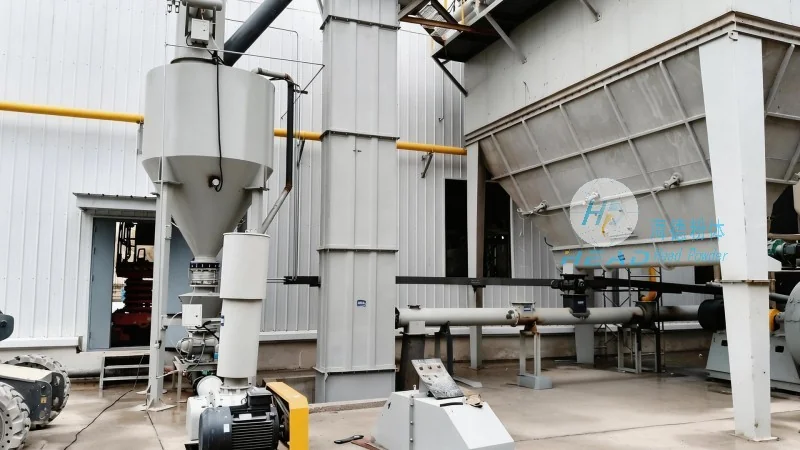
Control and Monitoring Systems
Modern cellulose pneumatic conveying systems often incorporate control and monitoring systems to optimize performance and ensure safety. These systems may include sensors for pressure, flow rate, and material level, as well as control panels for adjusting the air supply and feed rates. The integration of automation allows for real-time monitoring and adjustment, enhancing the system's efficiency and reducing downtime. HeadPowder's control systems are designed with user-friendly interfaces and advanced algorithms to provide precise control over the conveying process, ensuring consistent material handling and minimizing operational issues.
Conclusion
Cellulose pneumatic conveying systems are essential for efficient material transport in various industrial applications. The main structures, including the material feed hopper, air supply system, conveying line, discharge unit, and control systems, work together to ensure reliable and effective operation. Shandong HeadPowder Engineering Co., Ltd., with its expertise in pneumatic conveying technology, provides high-quality systems tailored to the specific needs of clients. By understanding the key components and their functions, industries can select and implement effective cellulose conveying solutions that enhance productivity and reduce operational costs.