

Principle of Feed Pellet Pneumatic Conveying Equipment
Feed pellet pneumatic conveying equipment is a specialized system designed to transport feed pellets efficiently and reliably within industrial settings. This technology is crucial for the modern feed production and processing industry, enabling seamless material handling from storage to processing lines. The core principle of pneumatic conveying involves using air as the medium to move solid particles, such as feed pellets, through a pipeline network. This method offers significant advantages over traditional mechanical conveying systems, including reduced labor costs, minimized contamination risks, and enhanced operational flexibility.
Key Components and Working Mechanism
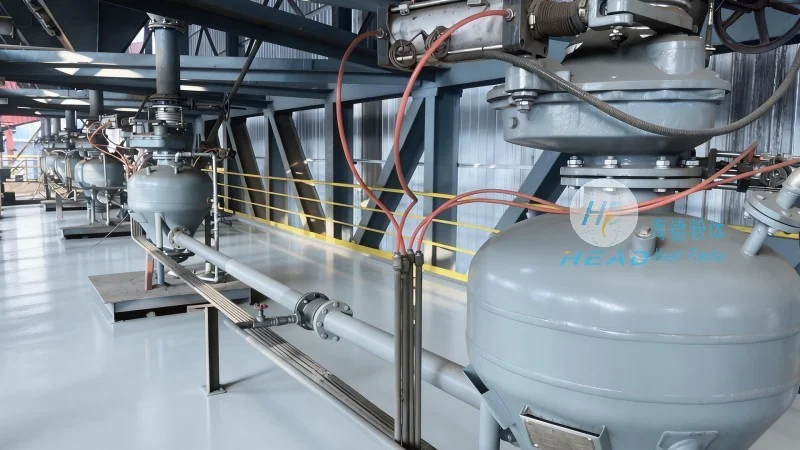
The operation of feed pellet pneumatic conveying equipment relies on several key components that work in concert to achieve effective material transport. The primary components include a feed hopper, a conveying line, a pressure or vacuum system, and a receiver or discharge unit. The feed hopper is responsible for storing and feeding the feed pellets into the system. It is typically equipped with a rotary valve or a star feeder to control the flow rate of the material. The conveying line, usually made of stainless steel or other corrosion-resistant materials, ensures the pellets are transported under controlled air pressure or vacuum conditions. The pressure or vacuum system generates the necessary air flow, either by using a positive pressure blower or a vacuum pump, to move the pellets through the pipeline. The receiver or discharge unit collects the conveyed pellets at the destination point, such as a mixer or a storage silo.
Types of Pneumatic Conveying Systems
There are two main types of pneumatic conveying systems used in feed pellet handling: positive pressure systems and negative pressure systems. Positive pressure systems operate by blowing air into the conveying line, creating a pressure higher than the ambient air pressure. This method is suitable for short to medium distance transport and is commonly used in feed mills where pellets need to be moved from a storage bin to a mixer. Negative pressure systems, on the other hand, create a vacuum in the conveying line, drawing the pellets into the system. This approach is ideal for longer distances and for applications where dust control is a priority, as the system draws air and particles into the line rather than expelling them. Both systems have their advantages and are selected based on the specific requirements of the feed processing facility.
Advantages of Pneumatic Conveying for Feed Pellets
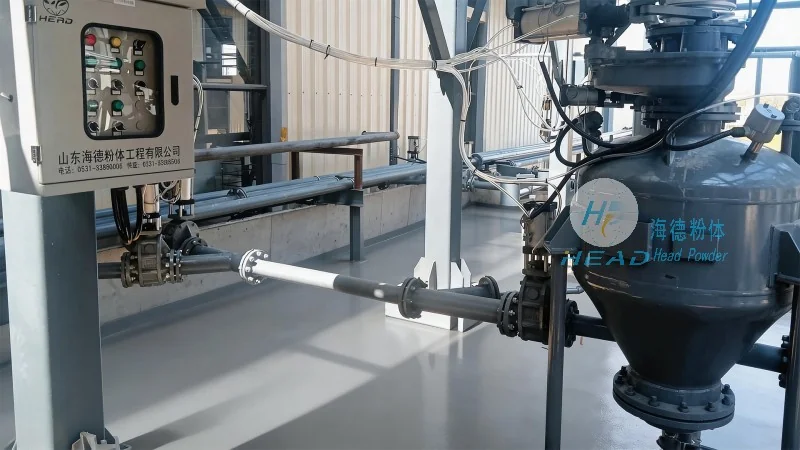
Implementing pneumatic conveying for feed pellet transport offers numerous benefits that enhance operational efficiency and product quality. One of the most significant advantages is the reduction in labor and maintenance costs compared to mechanical conveying systems, which often require frequent adjustments and repairs. Pneumatic systems also minimize the risk of contamination, as the enclosed pipeline prevents exposure to external elements and reduces the chance of cross-contamination between different feed types. Additionally, the flexibility of pneumatic conveying allows for easy integration with existing production lines, enabling seamless transitions between different processing stages. The system can handle various pellet sizes and densities, making it versatile for different feed formulations. Furthermore, pneumatic conveying systems can operate at high speeds, reducing overall processing time and increasing throughput in feed production facilities.
Application in Feed Production and Processing
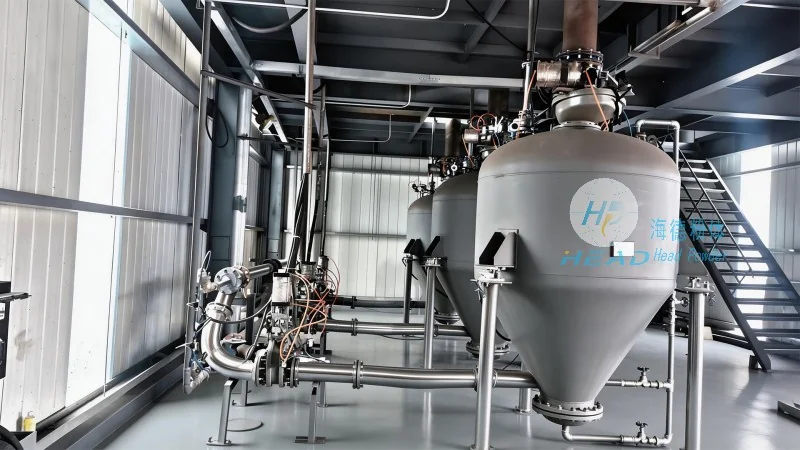
Feed pellet pneumatic conveying equipment plays a vital role in the feed production and processing industry, supporting the efficient movement of feed pellets from storage to various processing units. In a typical feed mill, the system may be used to transport pellets from a large storage silo to a mixer or a pelleting machine. This ensures that the feed material is delivered to the processing line in a controlled manner, maintaining consistent quality and preventing material buildup or blockages. The equipment is also used in feed ingredient handling, where different raw materials are conveyed to the mixing stage. By integrating pneumatic conveying into the production process, feed manufacturers can achieve higher productivity, lower operational costs, and improved product consistency. The technology is particularly valuable in large-scale feed production facilities where the volume of material to be transported is high, and the need for reliable, continuous operation is critical.
Maintenance and Operational Considerations
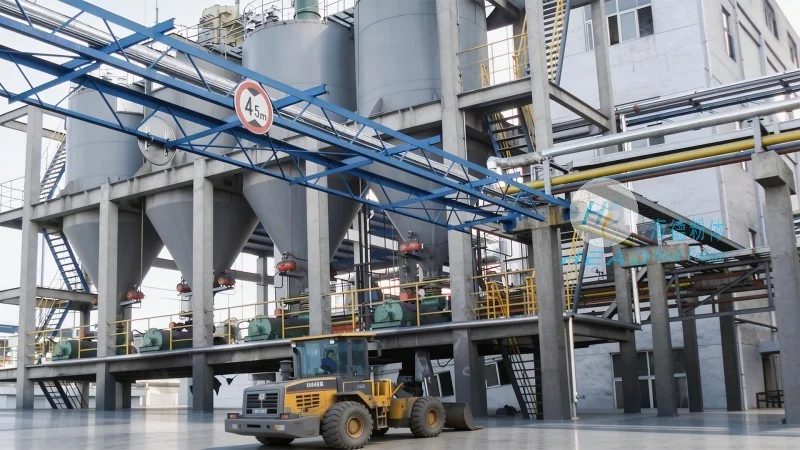
Proper maintenance and operational management are essential to ensure the longevity and efficiency of feed pellet pneumatic conveying equipment. Regular inspection of the conveying line for any signs of wear or damage is crucial to prevent leaks or blockages. The air filtration system should be checked and cleaned regularly to maintain air quality and prevent dust accumulation in the system. The rotary valve or star feeder in the feed hopper needs to be lubricated and adjusted periodically to ensure smooth material flow. Additionally, monitoring the pressure and vacuum levels in the system helps identify any performance issues early on, allowing for timely maintenance. Proper training of operators on the equipment's operation and safety procedures is also important to prevent accidents and ensure optimal performance. By adhering to these maintenance and operational guidelines, feed processing facilities can maximize the lifespan of their pneumatic conveying systems and maintain consistent performance over time.
Conclusion
Feed pellet pneumatic conveying equipment is a sophisticated and efficient solution for transporting feed pellets in industrial settings. By leveraging the principles of pneumatic conveying, this technology offers significant advantages over traditional mechanical systems, including reduced costs, minimized contamination, and enhanced operational flexibility. The system's versatility and adaptability make it suitable for a wide range of feed processing applications, from small-scale operations to large industrial feed mills. As the feed industry continues to evolve, the adoption of advanced pneumatic conveying systems will remain critical for maintaining high productivity and product quality. Companies like Shandong HeadPowder Engineering Co., Ltd., based in China, specialize in designing and manufacturing such equipment, providing reliable solutions tailored to the specific needs of feed producers worldwide.