

What is a High-Temperature Ash Pneumatic Conveying System? And What Are Its Design Principles?
High-temperature ash pneumatic conveying systems represent a critical technology in industrial applications, particularly in the handling of hot particulate materials. These systems are designed to transport ash and other high-temperature solids from sources like boilers or furnaces to disposal or processing facilities. The effectiveness of such systems hinges on their ability to manage extreme temperatures while ensuring efficient and reliable material transport. Understanding the components and design principles behind these systems is essential for industries seeking to optimize their material handling processes.
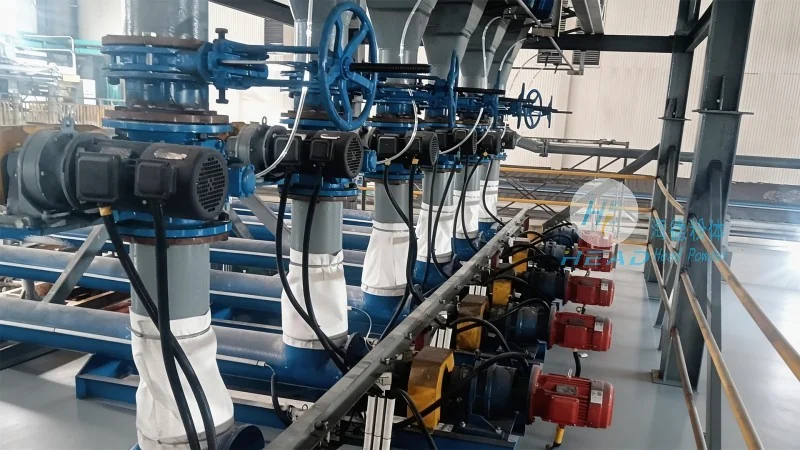
Introduction to High-Temperature Ash Pneumatic Conveying Systems
A high-temperature ash pneumatic conveying system is a specialized piece of equipment used to move hot ash and similar particulate materials through a pipeline using compressed air or other gas as the conveying medium. Unlike traditional low-temperature systems, these systems are engineered to withstand and manage temperatures that can exceed 500°C, making them indispensable in power generation, cement production, and other high-temperature industrial processes. The primary goal of these systems is to safely and efficiently transport ash from its source to a collection or treatment facility, minimizing downtime and operational risks.
About HeadPowder: The Manufacturer
HeadPowder, or Shandong HeadPowder Engineering Co., Ltd., is a leading manufacturer specializing in the design, development, and production of advanced pneumatic conveying systems. With a strong presence in China, particularly in Shandong, the company has built a reputation for delivering high-quality, reliable equipment tailored to the unique needs of industrial clients. HeadPowder's commitment to innovation and customer satisfaction has positioned it as a trusted partner in the field of material handling solutions. The company's facilities and expertise enable it to provide comprehensive solutions, from system design and installation to maintenance and support.
Design Principles of High-Temperature Ash Pneumatic Conveying Systems
The design of a high-temperature ash pneumatic conveying system involves several key principles aimed at ensuring durability, efficiency, and safety under extreme conditions. First, the system must be constructed from materials capable of withstanding high temperatures and corrosive environments. Common materials include stainless steel, high-temperature alloys, and specialized coatings that resist oxidation and wear. The pipeline and components are designed to handle the thermal expansion and contraction associated with hot materials, preventing leaks or structural failures.
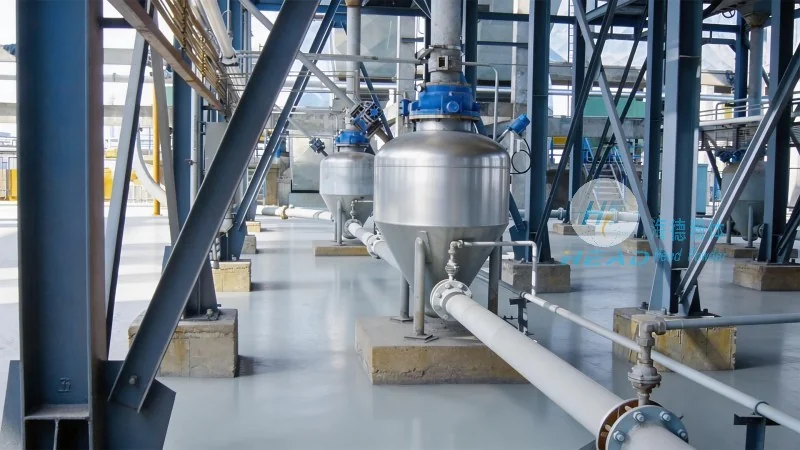
Second, the system incorporates efficient air compression and control mechanisms to maintain optimal conveying pressure and flow rates. This involves the use of high-performance blowers or compressors that can handle the increased air volume and pressure required for transporting hot ash. The control system ensures that the air flow is adjusted dynamically based on the material characteristics and pipeline conditions, optimizing energy consumption and conveying efficiency.
Third, the system includes features to manage the temperature of the conveyed material and the system itself. This may involve heat exchangers or insulation to prevent heat loss or damage to downstream equipment. Additionally, the system is equipped with safety features such as temperature sensors, pressure relief valves, and emergency shutdown mechanisms to protect both the equipment and personnel from potential hazards.
Key Components and Their Functions
A high-temperature ash pneumatic conveying system typically consists of several interconnected components, each playing a crucial role in the overall operation. The main components include the ash source (e.g., a hopper or silo), the conveying pipeline, the air supply system (blower or compressor), the control system, and the discharge or collection equipment. The ash source is designed to feed the hot ash into the system at a controlled rate, while the pipeline transports the material to the destination. The air supply system provides the necessary pressure and volume to move the ash through the pipeline. The control system monitors and adjusts the system parameters to ensure smooth operation. The discharge equipment collects the ash at the end of the pipeline, completing the conveying process.
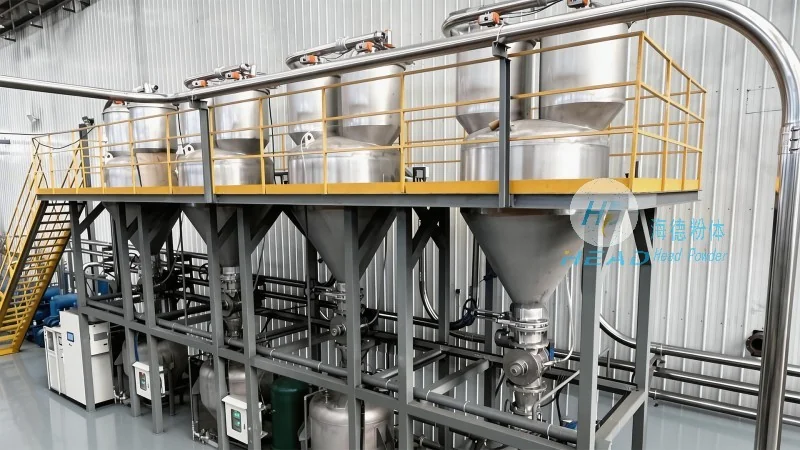
Advantages of High-Temperature Ash Pneumatic Conveying Systems
Implementing a high-temperature ash pneumatic conveying system offers several advantages for industrial operations. One of the primary benefits is the reduction in labor costs and operational time compared to traditional methods like manual handling or truck transport. The automated system minimizes the need for manual intervention, reducing the risk of accidents and improving safety. Additionally, these systems can handle large volumes of ash efficiently, improving overall productivity and throughput. The compact design of the system also saves space in industrial facilities, making it suitable for installations with limited room. Furthermore, the system's ability to maintain the temperature of the ash during transport is crucial for processes that require specific material characteristics, such as in cement production where the ash's chemical composition is critical.
Applications and Industries
High-temperature ash pneumatic conveying systems are widely used in various industries where hot ash or similar materials need to be transported. The most common applications include power plants, where ash from coal combustion is conveyed from boilers to ash storage facilities. In cement production, ash from kilns is transported to clinker or cement production lines. Other industries, such as steel manufacturing and waste incineration, also utilize these systems for handling high-temperature particulate materials. The versatility of the system makes it suitable for a wide range of industrial applications, ensuring efficient material handling in diverse operational environments.
Conclusion
High-temperature ash pneumatic conveying systems are essential equipment for industries dealing with hot particulate materials. The design principles and components of these systems are carefully engineered to ensure durability, efficiency, and safety under extreme conditions. Companies like Shandong HeadPowder Engineering Co., Ltd. play a vital role in providing these advanced systems, contributing to the optimization of material handling processes in various industrial sectors. By understanding the design and functionality of these systems, industries can enhance their operational efficiency, reduce costs, and improve overall safety in handling high-temperature materials.