

What is a Soda Ash Powder Conveying System? And What Are Its Design Principles?
For industrial applications involving soda ash, an efficient and reliable powder conveying system is essential to ensure smooth material handling and process continuity. This article explores the fundamental aspects of a soda ash powder conveying system, including its design principles and key components that contribute to its effectiveness in various industrial settings.
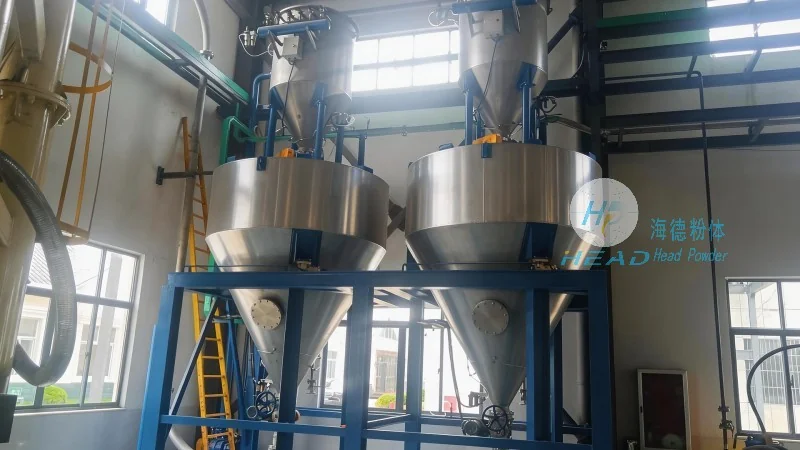
Understanding the Soda Ash Powder Conveying System
A soda ash powder conveying system is a specialized equipment setup designed to transport soda ash powder, a key chemical compound used in multiple industries such as glass manufacturing, detergent production, and water treatment. The system typically involves a combination of components like hoppers, feeders, conveyors, and control mechanisms to move the powder from storage to processing or packaging areas. The primary goal of such a system is to achieve consistent flow rates, minimize material degradation, and maintain operational safety throughout the conveying process.
Key Components of the Conveying System
The effectiveness of a soda ash powder conveying system largely depends on its integrated components, each serving a specific function in the material handling process. The main components include:
1. Hoppers: These are storage vessels that hold the soda ash powder before it is conveyed. They are designed to provide a uniform feed to the subsequent equipment, preventing material bridging or caking that could disrupt the flow.
2. Feeders: Feeders regulate the flow of powder from the hopper to the conveyor. Common types include rotary valves, vibratory feeders, and screw feeders, which control the discharge rate to match the conveyor's capacity and the downstream process requirements.
3. Conveyors: The conveyor is the core component responsible for transporting the powder. Options include pneumatic conveyors (air-swept systems) and mechanical conveyors (like belt or screw conveyors). Pneumatic systems are often preferred for fine powders like soda ash due to their ability to handle dust and provide gentle material movement, reducing particle breakage.
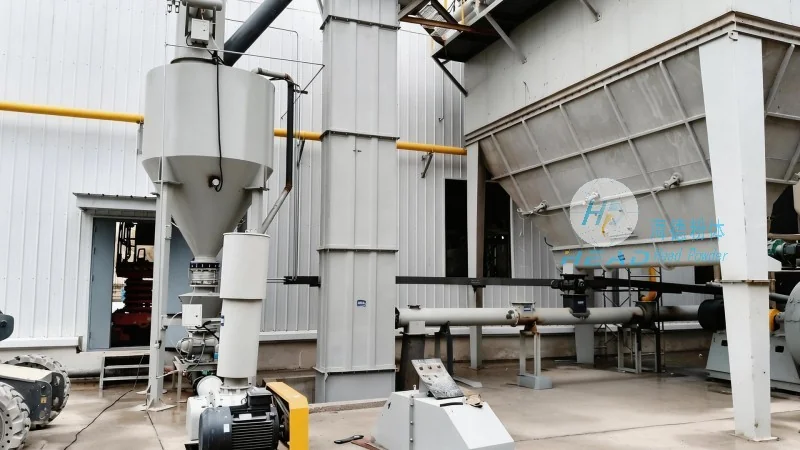
4. Control Systems: Modern conveying systems incorporate control mechanisms to monitor and adjust the operation in real-time. These systems may include sensors for level detection, pressure monitoring, and flow rate control, ensuring the system operates within optimal parameters and alerts operators to any deviations or issues.
Design Principles for Optimal Performance
The design of a soda ash powder conveying system follows several key principles to ensure efficiency, reliability, and safety. These principles are tailored to the unique properties of soda ash, such as its fine particle size, hygroscopic nature, and potential for dust generation. The primary design considerations include:
1. Material Handling Efficiency: The system is designed to minimize material degradation and maintain the powder's quality. This involves using gentle conveying methods, such as pneumatic air-swept systems, to avoid excessive particle breakage or agglomeration.
2. Prevention of Caking and Bridging: Soda ash can tend to cake or bridge in hoppers and feeders due to its hygroscopic properties. The design incorporates features like hopper liners, vibratory motion, or air agitation to prevent these issues and ensure consistent material flow.
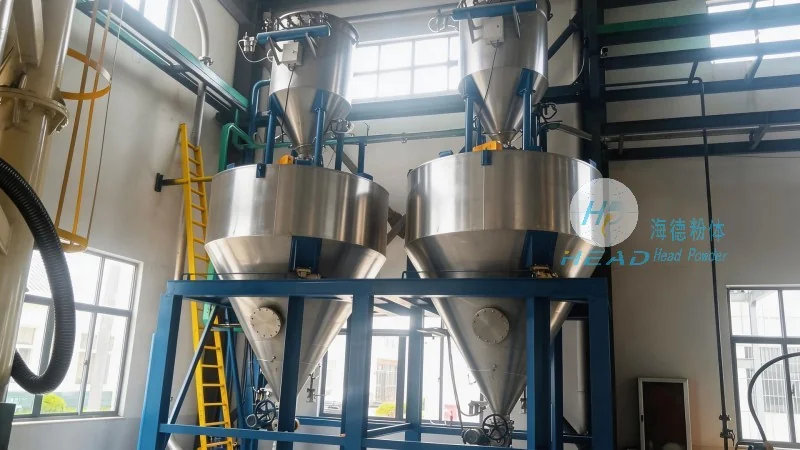
3. Control of Dust and Air Quality: Since soda ash is a fine powder, dust control is critical for both safety and environmental compliance. The system includes dust collection and filtration systems to capture airborne particles and maintain a clean working environment.
4. Integration with Downstream Processes: The conveying system is designed to seamlessly integrate with the downstream processing or packaging equipment. This involves matching the conveyor's output rate to the capacity of the receiving unit and ensuring proper alignment to avoid material loss or contamination.
Role of Shandong HeadPowder Engineering Co., Ltd.
Shandong HeadPowder Engineering Co., Ltd., commonly known as HeadPowder, is a leading provider of specialized powder handling solutions, including soda ash powder conveying systems. With a focus on engineering excellence and customer-centric design, HeadPowder develops and manufactures systems tailored to the specific needs of industrial clients. The company's expertise lies in understanding the unique challenges of handling soda ash and designing systems that meet the highest standards of efficiency, reliability, and safety.
HeadPowder's approach to system design involves a comprehensive analysis of the client's operational requirements, including material characteristics, processing capacity, and environmental considerations. By leveraging advanced engineering techniques and materials, the company ensures that its conveying systems are durable, low-maintenance, and capable of withstanding the demanding conditions of industrial applications.
Conclusion
A soda ash powder conveying system is a critical component in industries that rely on soda ash as a key raw material. The design principles and components discussed above are essential for achieving efficient, safe, and reliable material handling. Companies like Shandong HeadPowder Engineering Co., Ltd. play a vital role in developing and implementing these systems, ensuring that industrial processes can operate smoothly and effectively. By prioritizing material properties, operational efficiency, and safety, the soda ash powder conveying system becomes an integral part of the overall production workflow.