

What is Micropowder Material Handling? And What Are Its Design Principles?
Micro-powder material handling is a specialized field within industrial material handling that focuses on the efficient and safe transport of fine powders. These materials, often with particle sizes ranging from a few micrometers to a few hundred micrometers, present unique challenges due to their tendency to agglomerate, create dust, and require precise control to prevent loss or contamination. The design of micropowder handling systems must therefore address these challenges through careful consideration of material properties, flow characteristics, and operational requirements.
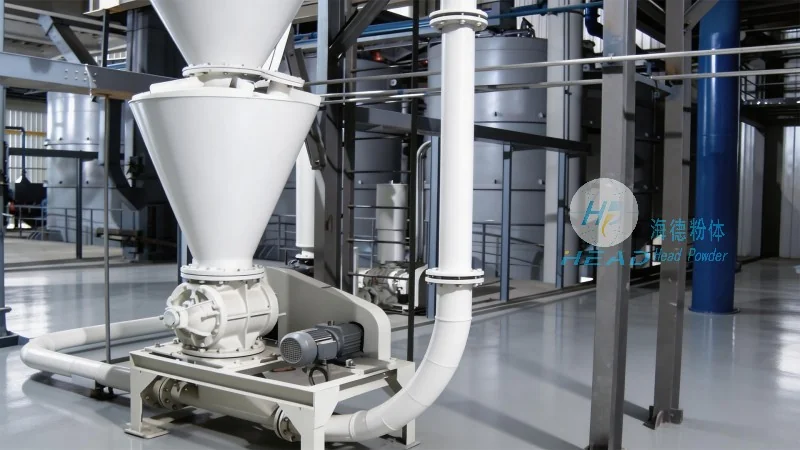
Understanding Micropowder Material Handling
Micropowders are commonly used in various industries, including pharmaceuticals, chemicals, food processing, and ceramics. Their handling requires specialized equipment to ensure that the material is transported without degradation, loss, or environmental contamination. The primary goal of micropowder material handling is to maintain the integrity of the powder while ensuring efficient and reliable transport from source to destination. This involves managing issues such as dust generation, caking, and material segregation, which can significantly impact the quality and consistency of the final product.
Design Principles of Micropowder Material Handling Systems
The design of micropowder handling systems is guided by several key principles aimed at optimizing performance and safety. First, the system must minimize the risk of dust exposure by incorporating sealed and enclosed components. This helps in maintaining a clean environment and complying with occupational health and safety regulations. Second, the design must account for the cohesive and adhesive properties of micropowders, which can lead to blockages or uneven flow. Solutions such as vibration, air assistance, or specialized conveyor designs are often employed to prevent these issues. Third, the system should ensure uniform material flow to avoid segregation, which can affect product quality. This is typically achieved through the use of consistent feed rates, proper hopper design, and smooth transitions between handling stages.
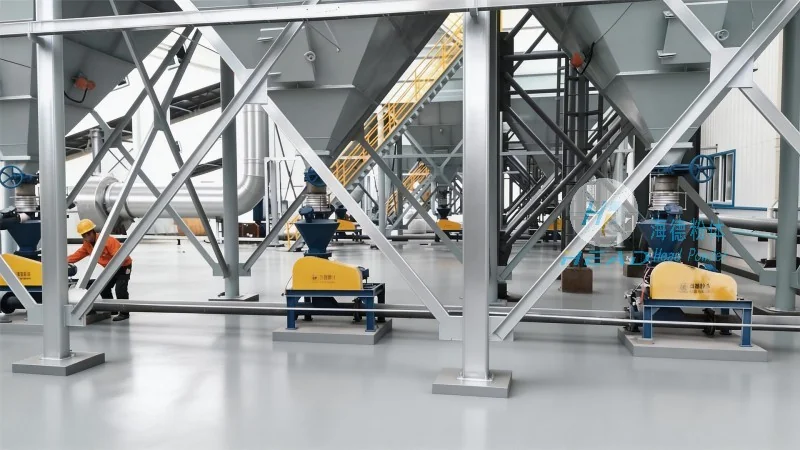
Key Components and Their Functions
Micropowder handling systems typically consist of several key components, each playing a critical role in the overall operation. The primary components include feeders, conveyors, hoppers, and dust collection systems. Feeders, such as rotary or vibratory feeders, are used to control the flow rate of the micropowder from the source. They ensure a consistent and controlled supply of material to the conveyor system. Conveyors, often in the form of pneumatic or mechanical systems, transport the powder through the handling process. Pneumatic conveyors use air to move the powder, which is effective for fine powders but requires careful management of air pressure and flow rates to prevent material degradation. Mechanical conveyors, such as screw or belt conveyors, are also used, especially for larger or more cohesive powders. Hoppers are used to store and feed the micropowder, and their design is crucial to prevent agglomeration and ensure smooth discharge. Finally, dust collection systems are essential to capture any airborne particles and maintain a safe working environment. These systems typically include filters and cyclones to separate dust from the air.
Application Scenarios and Benefits
Micropowder material handling systems are widely used in various industrial applications. In the pharmaceutical industry, for example, these systems are used to handle active pharmaceutical ingredients (APIs) and excipients, ensuring that the final drug product is of high quality and free from contamination. In the chemical industry, micropowders are used in the production of pigments, catalysts, and other chemical products, where precise handling is critical to product performance. The food processing industry also utilizes micropowder handling for ingredients like sugar, flour, and spices, where maintaining product purity and consistency is essential. The benefits of using specialized micropowder handling systems include improved product quality, reduced material loss, enhanced safety, and increased operational efficiency. By addressing the unique challenges of handling fine powders, these systems help manufacturers achieve higher productivity and meet regulatory requirements.
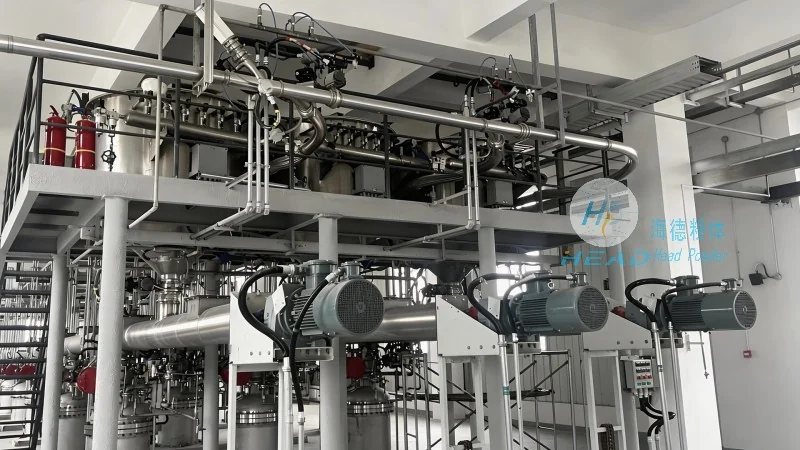
Company Profile: Shandong HeadPowder Engineering Co., Ltd.
Shandong HeadPowder Engineering Co., Ltd., commonly known as HeadPowder, is a leading provider of specialized material handling solutions for micropowders. The company is headquartered in Shandong, China, and has established itself as a trusted partner for industries requiring reliable and efficient handling of fine powders. HeadPowder's expertise lies in designing and manufacturing custom micropowder handling systems that meet the specific needs of their clients. The company's team of engineers and technicians work closely with clients to understand their operational requirements and develop tailored solutions that optimize performance and safety. With a focus on innovation and quality, HeadPowder has become a key player in the micropowder handling industry, providing solutions that help clients improve their production processes and maintain high standards of product quality.
Contact Information
For inquiries or more information about micropowder material handling systems, please contact Shandong HeadPowder Engineering Co., Ltd. The company is located in Shandong, China, and serves clients globally with its advanced material handling solutions.