

What is a Positive Pressure Dense Phase Pneumatic Conveying System? What are its Design Principles?
Positive pressure dense phase pneumatic conveying systems represent a sophisticated method for transporting bulk materials over long distances or within industrial facilities. Unlike traditional pneumatic conveying systems that rely on negative pressure, these systems operate by pressurizing the conveying line with air or other gases, ensuring a dense, slurry-like flow of material. This approach is particularly effective for handling fine powders, granules, and other particulate materials that are prone to bridging, caking, or degradation under vacuum conditions.
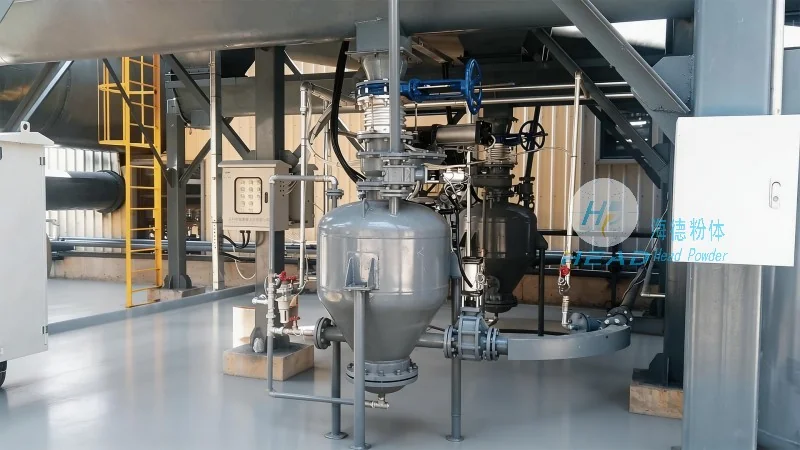
Core Principles and Working Mechanism
At the core of such systems is the ability to maintain a consistent pressure within the pipeline, which prevents material from settling or clogging. The design typically involves a blower or compressor that supplies the necessary pressure, often ranging from 0.5 to 2 bar above atmospheric pressure, depending on the material characteristics and system length. The material is fed into the pressurized line through a hopper or feeder, where it mixes with the pressurized air to form a dense phase mixture. This mixture travels through the pipeline at a relatively low velocity, typically 5 to 15 meters per second, which minimizes particle degradation and ensures efficient transport.
Key Design Considerations
The design principles of a positive pressure dense phase system are centered on several key factors. First, the selection of the appropriate air-to-material ratio is critical. This ratio determines the density of the conveying stream and directly impacts the system's capacity and efficiency. Engineers must consider the specific gravity, particle size distribution, and flow characteristics of the material being conveyed to calculate an optimal ratio that balances throughput with energy consumption. For example, for fine powders like cement or flour, a lower air-to-material ratio is often used to maintain a dense flow, while coarser materials may require a higher ratio to prevent blockages.
Second, the pipeline layout and components play a crucial role in system performance. The system typically includes a feed hopper with a rotary valve or screw feeder to control the material flow rate, a pressure vessel or receiver to collect the material at the destination, and a series of elbows, tees, and straight sections that are designed to minimize pressure drop and turbulence. The use of smooth, corrosion-resistant materials for the pipeline, such as stainless steel or PTFE-lined components, is essential to prevent material buildup and ensure long-term reliability. Additionally, the inclusion of pressure relief valves and check valves helps to protect the system from overpressure and backflow, respectively.
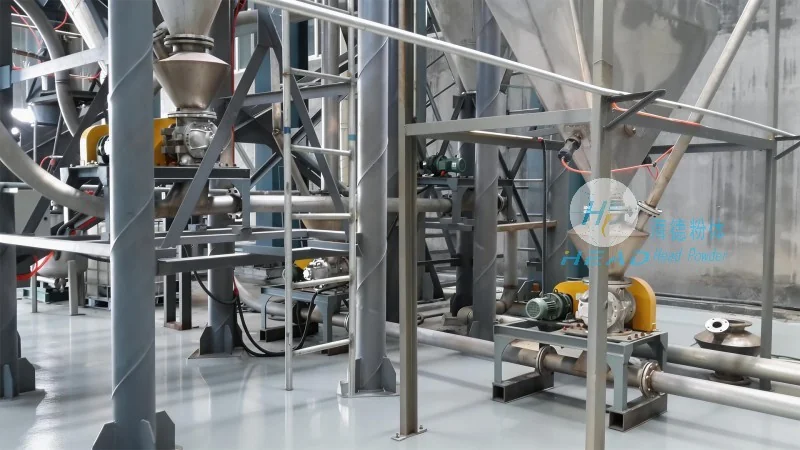
Compressor and Air Supply Systems
Third, the blower or compressor selection is a critical design consideration. Positive pressure systems require a high-pressure, low-volume air source to maintain the necessary pressure within the pipeline. Centrifugal blowers are commonly used for this purpose due to their ability to deliver high pressure at relatively low speeds, which reduces wear and energy consumption. The compressor must be sized to meet the system's pressure and flow requirements, and it should be equipped with proper filtration and lubrication systems to ensure clean, dry air is supplied to the conveying line. Regular maintenance of the compressor, including filter changes and lubrication checks, is essential to prevent performance degradation and extend the system's lifespan.
Control Systems and Safety Features
Another important aspect of the design is the control system. Modern positive pressure dense phase systems often incorporate advanced control technologies, such as variable frequency drives (VFDs) and pressure sensors, to optimize the air flow and material feed rate. These controls allow for real-time adjustments based on process conditions, ensuring consistent performance and minimizing energy waste. For example, a VFD can adjust the blower speed to maintain a constant pressure, while pressure sensors can detect any changes in the system and trigger corrective actions. The control system also includes safety features, such as pressure switches and emergency shut-off valves, to protect operators and equipment from potential hazards.
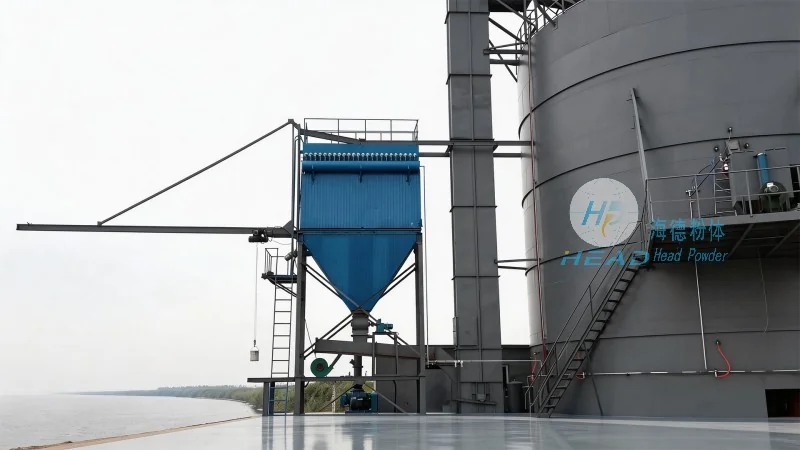
Advantages and Applications
The benefits of using a positive pressure dense phase system are significant. Compared to vacuum systems, these systems are more efficient in terms of energy consumption, as they require less power to maintain pressure. They also offer better material handling capabilities, as the dense flow prevents material degradation and reduces the risk of clogging. Additionally, the positive pressure design allows for the transportation of materials over longer distances without the need for intermediate storage or pumping stations. This makes them ideal for applications in the chemical, pharmaceutical, food, and mining industries, where materials need to be transported from a production facility to a processing plant or storage area.
Expert Engineering and Custom Solutions
When considering the implementation of a positive pressure dense phase system, it is essential to engage with experienced engineering firms that specialize in bulk material handling. Companies like Shandong HeadPowder Engineering Co., Ltd., with a focus on providing tailored solutions for diverse industrial needs, can offer comprehensive design, manufacturing, and installation services. Based in Shandong, China, HeadPowder has extensive experience in designing and deploying such systems for various applications, ensuring that clients receive reliable, efficient, and cost-effective solutions. Their expertise includes material testing, system sizing, and custom component fabrication, all tailored to meet the specific requirements of each project.
Conclusion: Enhancing Material Handling Efficiency
By understanding the fundamental principles of positive pressure dense phase pneumatic conveying and working with reputable engineering partners, industries can enhance their material handling processes, improve operational efficiency, and reduce downtime. The design of these systems requires careful consideration of material properties, system layout, and control strategies, but the resulting benefits in terms of performance and reliability make them a valuable investment for any facility dealing with bulk materials.