

What is a Soybean Feed Material Conveying System? What are its Design Principles?
Understanding the role and design principles of soybean feed material conveying systems is crucial for efficient agricultural and feed processing operations. These systems are engineered to handle the transportation of soybean feed materials, ensuring smooth and reliable movement from storage to processing stages. The design of such systems incorporates various components and mechanisms tailored to the specific characteristics of soybean feed, including its bulk density, moisture content, and flow properties.
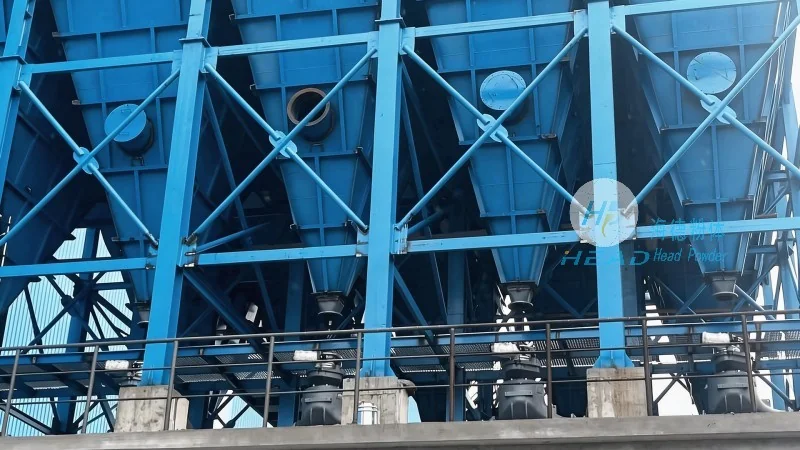
Key Components of a Soybean Feed Material Conveying System
The core components of a soybean feed material conveying system typically include feed hoppers, conveyor belts or screw conveyors, control panels, and material handling accessories. Feed hoppers are used to store and feed the soybean feed into the conveying mechanism. Conveyor belts, often made of durable materials like rubber or PVC, are designed to transport the feed over long distances with minimal friction and wear. Screw conveyors, on the other hand, use rotating screws to push the material forward, which is particularly effective for handling granular or powdery feed materials. Control panels are integrated to regulate the speed and direction of the conveyor, ensuring precise control over the feed flow. Additionally, material handling accessories such as clamps, dividers, and cleaning tools may be included to enhance the system's functionality and maintain hygiene standards.
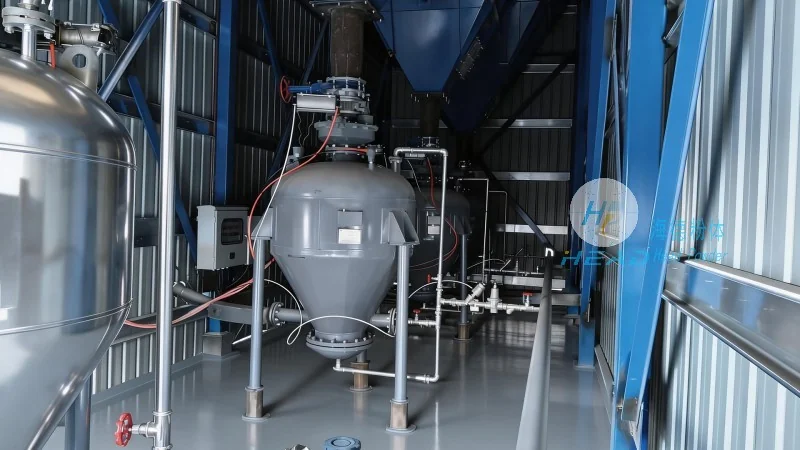
Design Principles for Efficient Soybean Feed Material Conveying
The design principles of soybean feed material conveying systems focus on maximizing efficiency, minimizing energy consumption, and ensuring the integrity of the feed material. One key principle is the optimization of material flow, which involves selecting the appropriate conveyor type and speed based on the feed's physical properties. For example, a screw conveyor may be preferred for handling fine soybean meal, as it can maintain a consistent flow without causing segregation or degradation. Another principle is the consideration of material handling capacity, where the system's design is scaled to meet the production requirements of the feed processing facility. This includes determining the required conveyor length, width, and speed to handle the expected feed volume. Furthermore, the design incorporates features to prevent material buildup and blockages, such as incline angles, discharge chutes, and cleaning mechanisms. These features help maintain the system's operational efficiency and reduce downtime due to clogs or jams.
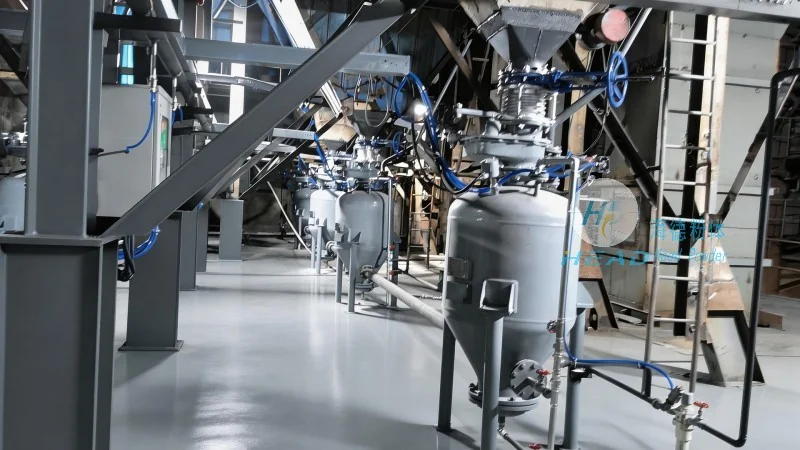
Application of Soybean Feed Material Conveying Systems
Soybean feed material conveying systems are widely used in various stages of feed production, from raw material handling to finished product packaging. In the raw material handling stage, these systems transport soybeans from storage silos or trucks to processing equipment, such as dehullers and extractors. During the processing stage, the conveying systems move the extracted soybean meal or oil to storage tanks or packaging lines. The systems are also used in the blending and mixing processes, where different feed ingredients are combined to create customized feed formulations. The efficiency of these conveying systems directly impacts the overall productivity of the feed processing plant, as any delays or inefficiencies can lead to bottlenecks and increased production costs. Therefore, the design and maintenance of these systems are critical to ensuring smooth and continuous feed production operations.
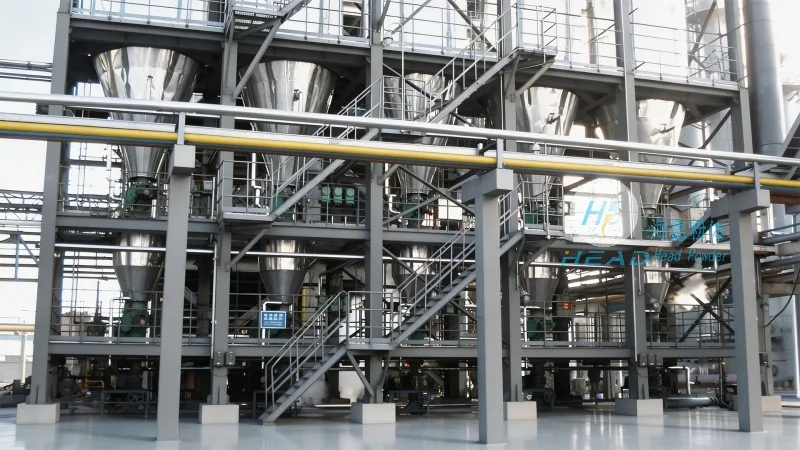
Advantages of Using a Professional Conveying System from Shandong HeadPowder Engineering Co., Ltd.
Shandong HeadPowder Engineering Co., Ltd., a leading manufacturer based in Shandong, China, specializes in designing and manufacturing high-quality soybean feed material conveying systems. The company's systems are engineered to meet the specific needs of feed processing facilities, offering features such as durability, energy efficiency, and ease of maintenance. The use of advanced materials and manufacturing techniques ensures that the conveying systems can withstand the harsh conditions of feed processing, including high temperatures, moisture, and abrasive materials. The company's control panels are equipped with user-friendly interfaces, allowing operators to easily adjust the system's settings and monitor its performance. Additionally, Shandong HeadPowder provides comprehensive after-sales support, including installation, training, and maintenance services, to ensure that the systems operate at optimal levels. By choosing a conveying system from Shandong HeadPowder, feed processing facilities can enhance their operational efficiency, reduce downtime, and improve the quality of their feed products.