

What is the Pneumatic Conveying of Moist Sodium Nitrate Material? What are the Design Principles?
Moist sodium nitrate, a widely used industrial chemical, often requires specialized handling methods for efficient and safe transportation. Pneumatic conveying is a prevalent technique for moving such materials, especially when dealing with hygroscopic or moisture-containing substances. This method involves transporting the material using a stream of air or gas, which can operate under positive or negative pressure. The process is critical for industries that depend on consistent and reliable material transfer, including chemical manufacturing, food processing, and pharmaceuticals.
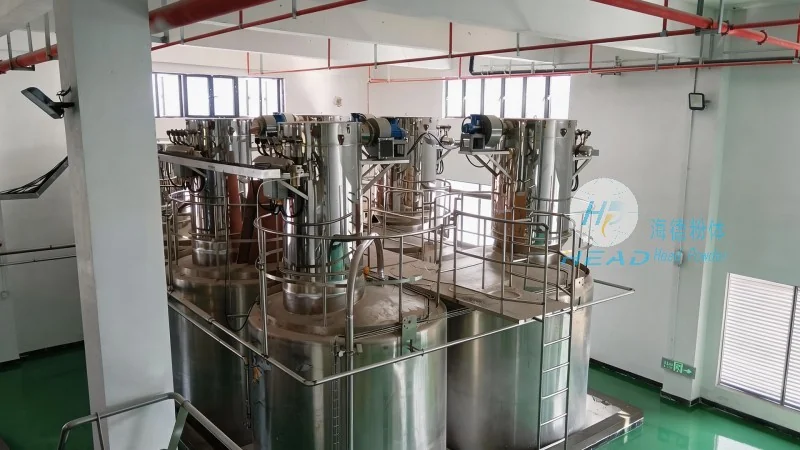
About HeadPowder: Your Expert in Material Handling Solutions
Shandong HeadPowder Engineering Co., Ltd., a leading engineering solutions provider, specializes in designing and implementing pneumatic conveying systems tailored to the unique needs of clients. With a strong presence in China, particularly in Shandong, the company leverages decades of experience to deliver high-quality, customized solutions. HeadPowder's team of experts understands the challenges associated with handling moist sodium nitrate, such as material flow, moisture control, and equipment durability. By focusing on client-specific requirements, the company ensures that each system is optimized for performance, safety, and long-term reliability.
Key Design Principles for Moist Sodium Nitrate Pneumatic Conveying Systems
The design of a pneumatic conveying system for moist sodium nitrate must consider several critical factors to achieve optimal performance. First, the system must effectively manage the material's moisture content, which impacts flow characteristics and equipment wear. Proper moisture control is essential to prevent clogging and ensure consistent material transfer. Second, the choice of conveying method—positive or negative pressure—depends on the application and material properties. Positive pressure systems, where air is forced through the material, are ideal for longer distances or abrasive materials. Negative pressure systems, which draw material using suction, are suitable for shorter distances or less abrasive materials.
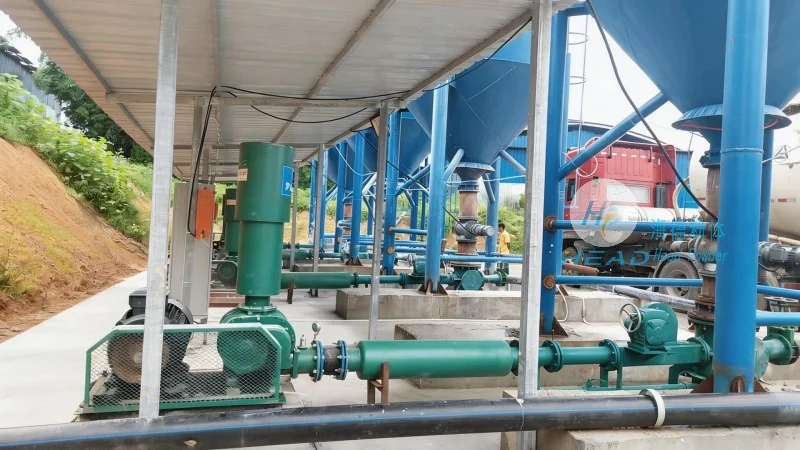
System Components and Their Roles
A typical pneumatic conveying system for moist sodium nitrate includes key components, each with a vital role. The material feed hopper holds the moist sodium nitrate and regulates flow, while the conveyor line transports the material using air or gas. The air compressor or vacuum pump provides the necessary pressure or suction, and separation/collection equipment ensures proper discharge and air filtration. The feed hopper is designed to minimize buildup and moisture accumulation, preventing clogs. The conveyor line, often made of stainless steel, withstands the abrasive nature of the material. The compressor or pump is selected based on flow rate and distance. Separation equipment, like cyclones or filters, removes dust and maintains product purity.
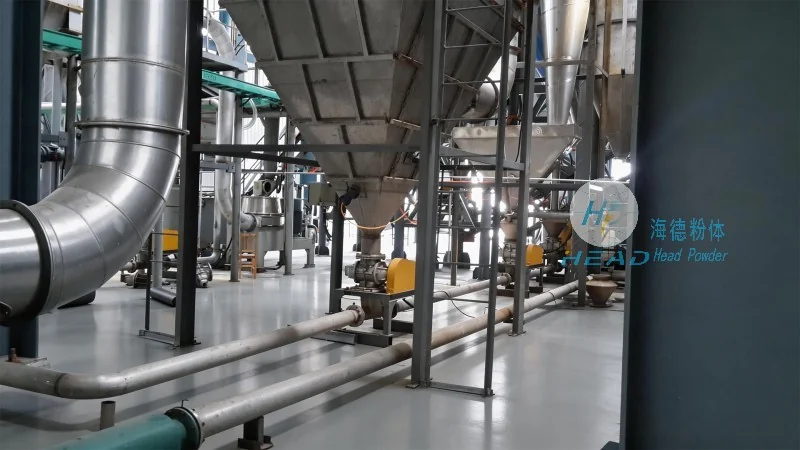
Advantages of Pneumatic Conveying for Moist Sodium Nitrate
Pneumatic conveying offers several benefits for moist sodium nitrate. A primary advantage is the closed system, which maintains hygiene and prevents contamination—critical in food and pharmaceutical industries. It is also more energy-efficient than traditional methods for short to medium distances. The system allows precise control over flow rates, preventing overloading and equipment damage. Additionally, the closed system reduces dust exposure, enhancing workplace safety and environmental compliance.
Challenges and Solutions in Moist Sodium Nitrate Pneumatic Conveying
Despite benefits, challenges exist, such as clogging and equipment wear. Clogging can result from moisture accumulation or buildup; solutions include heated lines or anti-clogging devices. Equipment wear from the abrasive material is mitigated through high-quality materials and regular maintenance. Moisture control is critical to prevent degradation; strategies like desiccants or humidity management ensure efficient operation.