

What is the pneumatic conveying of fly ash particulate materials? What are the design principles?
Understanding the pneumatic conveying of fly ash particulate materials and its design principles is crucial for efficient material handling in industrial applications. This article explores the fundamental concepts, technical aspects, and engineering considerations involved in the process, providing insights into how companies like Shandong HeadPowder Engineering Co., Ltd. approach the design and implementation of such systems.
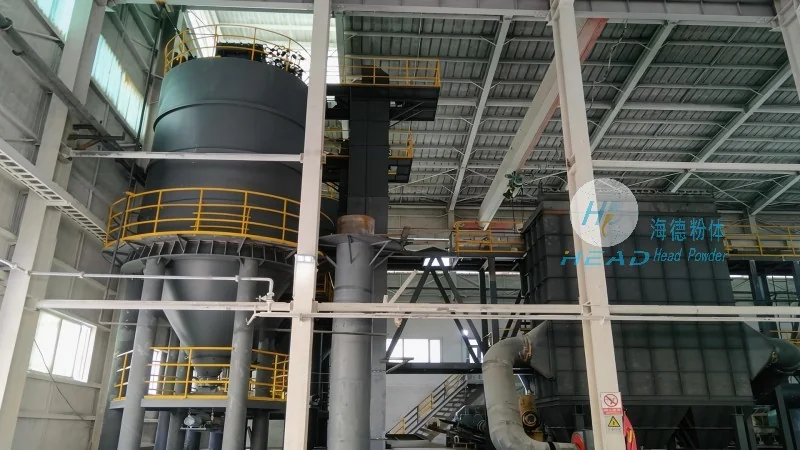
Introduction to Fly Ash Particulate Materials and Pneumatic Conveying
Fly ash, a byproduct of coal combustion in thermal power plants, consists of fine particulate materials that are typically collected from flue gas. These particles are often used as a supplementary cementitious material in concrete production, making their efficient transportation essential for industrial operations. Pneumatic conveying is a method that uses air or other gases to transport solid materials through a pipeline system, offering advantages such as flexibility, cleanliness, and the ability to handle a wide range of particle sizes and moisture contents.
Key Design Principles for Pneumatic Conveying Systems
The design of a pneumatic conveying system for fly ash particulate materials involves several critical principles aimed at ensuring optimal performance, reliability, and efficiency. These principles include selecting the appropriate conveying velocity, determining the suitable pipeline diameter and layout, and implementing effective separation and control mechanisms. The conveying velocity must be sufficient to overcome the resistance of the particles in the pipeline while minimizing energy consumption. The pipeline diameter is chosen based on the particle size distribution and the required flow rate, with larger diameters generally used for higher flow rates to reduce pressure losses. Additionally, the system design considers factors such as the moisture content of the fly ash, as higher moisture levels can affect the flow characteristics and require adjustments to the conveying velocity or system components.
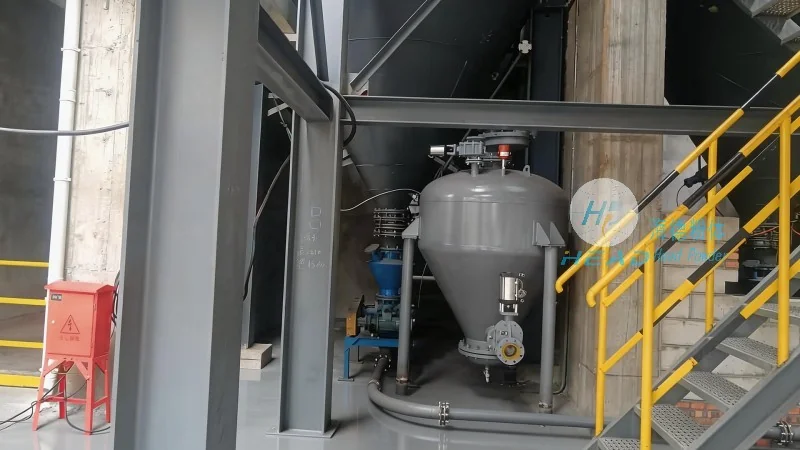
Components and System Layout in Pneumatic Conveying
A typical pneumatic conveying system for fly ash particulate materials consists of several key components, including a material feed hopper, a conveying pipeline, a gas source (such as a blower or compressor), and a discharge unit. The material feed hopper is designed to store and feed the fly ash into the pipeline at a controlled rate, often equipped with a rotary valve or feeder to regulate the flow. The conveying pipeline is usually made of materials like stainless steel or plastic, chosen for their resistance to corrosion and wear from the fly ash particles. The gas source provides the necessary air or gas to move the particles through the pipeline, with the pressure and flow rate adjusted based on the system requirements. The discharge unit, such as a rotary valve or a receiver, collects the conveyed fly ash and directs it to the intended destination, such as a storage silo or a processing facility.
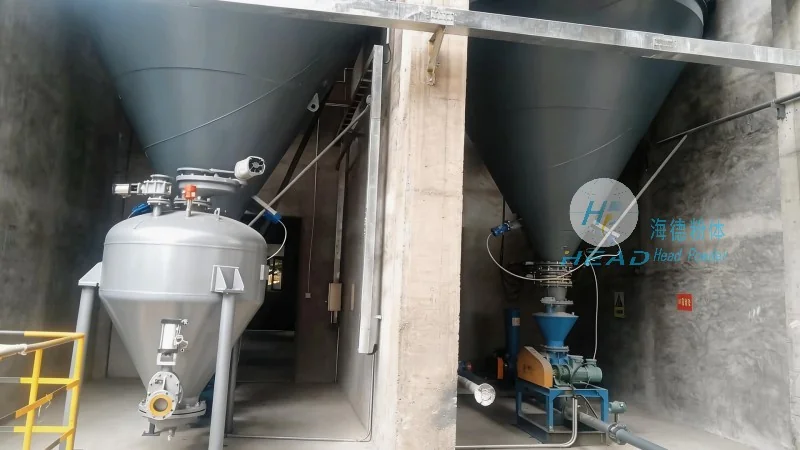
Engineering Considerations and Best Practices
When designing a pneumatic conveying system for fly ash, engineers must consider various factors to ensure long-term operation and minimal maintenance. These considerations include the selection of appropriate materials for the pipeline and components to withstand the abrasive nature of the fly ash particles, the implementation of proper cleaning and maintenance procedures to prevent blockages and wear, and the integration of safety features such as pressure relief valves and dust collection systems. Best practices also involve regular monitoring of system performance, including pressure drops, flow rates, and particle size distribution, to identify any issues and make necessary adjustments. Additionally, the system design should account for the potential for moisture accumulation, as excess moisture can lead to caking or blockages in the pipeline, requiring the use of drying or heating elements in the system.
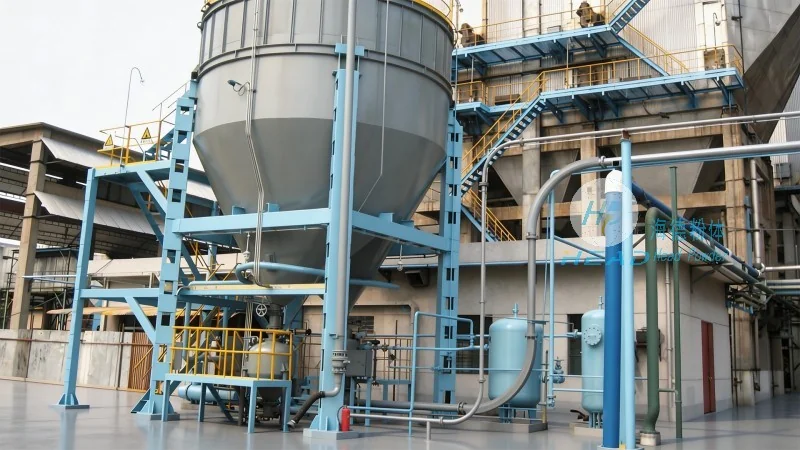
Applications and Benefits of Pneumatic Conveying in Fly Ash Handling
Pneumatic conveying systems are widely used in the handling of fly ash particulate materials due to their versatility and efficiency. These systems are commonly employed in power plants to transport fly ash from the collection hoppers to storage silos or to other processing facilities. The benefits of using pneumatic conveying for fly ash include reduced labor costs, improved safety by minimizing manual handling of the material, and the ability to transport the material over long distances without the need for intermediate storage or handling equipment. Additionally, the system can be integrated with other processes, such as concrete production, to ensure a continuous supply of fly ash as a raw material. The design principles and components of the system are tailored to the specific requirements of the application, ensuring optimal performance and cost-effectiveness.
Conclusion and Company Overview
In conclusion, the pneumatic conveying of fly ash particulate materials is a critical process in industrial applications, and understanding its design principles is essential for efficient material handling. Companies like Shandong HeadPowder Engineering Co., Ltd. specialize in the design, manufacturing, and implementation of such systems, leveraging their expertise to provide customized solutions that meet the specific needs of their clients. With a focus on quality, reliability, and efficiency, HeadPowder Engineering Co., Ltd. has established itself as a leading provider of pneumatic conveying systems for fly ash and other particulate materials, serving a wide range of industries and applications. The company's commitment to innovation and customer satisfaction ensures that their systems are not only effective but also durable and cost-effective, contributing to the overall success of their clients' operations.