

What is the Pneumatic Conveying of Monosodium Glutamate Material? And What Are Its Design Principles
Monosodium glutamate (MSG), widely recognized as a flavor enhancer, is a critical component in the food industry. The efficient and safe transportation of MSG powder is essential for industrial production processes. Pneumatic conveying technology offers a superior alternative to traditional methods like bucket elevators or belt conveyors, providing gentle handling, minimal product degradation, and enhanced safety. This article explores the concept of monosodium glutamate material pneumatic conveying and delves into the core design principles that underpin effective system operation.
Understanding Pneumatic Conveying Systems
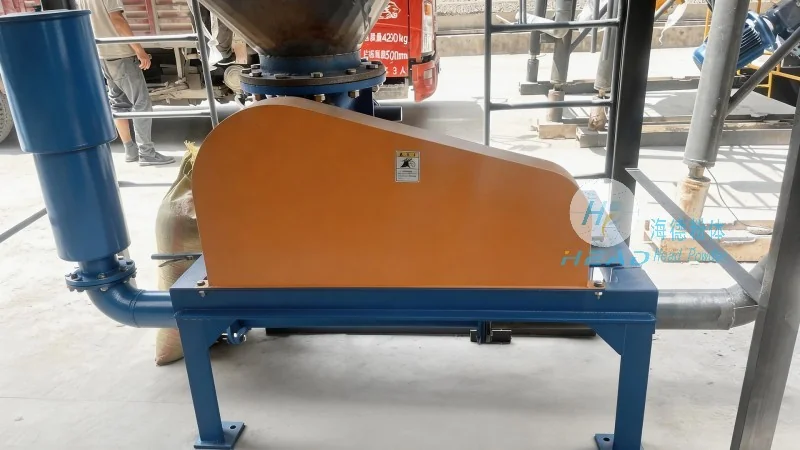
Pneumatic conveying systems utilize air or other gases to transport bulk materials through a pipeline. For monosodium glutamate, these systems are engineered to handle fine powders, ensuring product integrity and preventing contamination. The fundamental components of a typical pneumatic conveying system include a material feed hopper, a conveying line, a receiver, and a control system. The system operates by creating a pressure differential—either by suction (negative pressure) or pressure (positive pressure)—to move the material from the source to the destination. This method allows for the seamless transfer of MSG powder without the need for mechanical contact, reducing the risk of product damage.
Design Principles for Monosodium Glutamate Pneumatic Conveying
The design of a monosodium glutamate pneumatic conveying system must address several critical factors to ensure optimal performance and compliance with food safety standards. First, the system must accommodate the specific properties of MSG, such as its fine particle size and hygroscopic nature. Conveying velocity and pressure must be precisely controlled to prevent material degradation, caking, or blockages in the pipeline. Additionally, the system should minimize product exposure to air, as MSG can absorb moisture and odors, which could compromise its quality. In-line filters and moisture control mechanisms are often integrated to maintain product purity and consistency.
Key Components and Their Functions
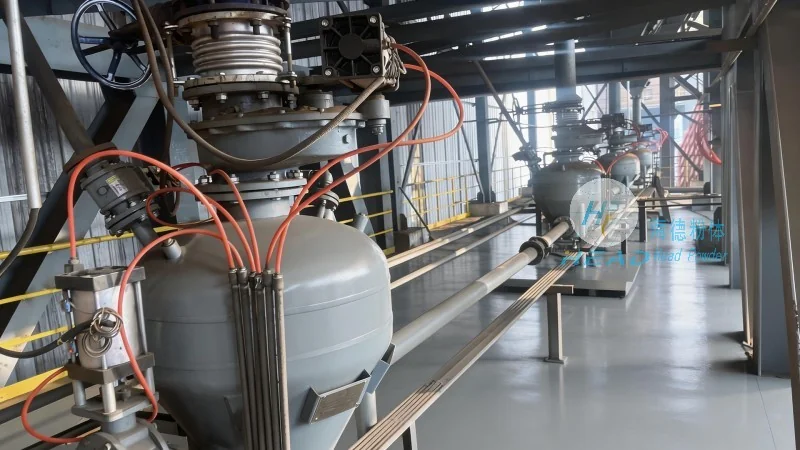
Several essential components are integral to the effective operation of a monosodium glutamate pneumatic conveying system. The material feed hopper is designed to store and feed the MSG powder into the conveying line at a controlled rate. This component typically incorporates a rotary valve or screw feeder to regulate flow, ensuring consistent material delivery. The conveying line, constructed from stainless steel or other corrosion-resistant materials, is engineered to withstand the abrasive nature of the powder and prevent contamination. The receiver, where the material is deposited, is equipped with a dust collection system to capture fines and maintain a clean environment. The control system monitors pressure, flow, and other parameters to ensure the system operates within safe and efficient limits, providing real-time adjustments as needed.
Advantages of Pneumatic Conveying for MSG
Compared to traditional conveying methods, pneumatic conveying offers distinct advantages for monosodium glutamate material handling. These include reduced product damage due to gentle, non-mechanical transport, lower risk of cross-contamination, and the ability to transport materials over long distances without intermediate transfer points. The system also facilitates easy integration with other processing equipment, such as mixers or packaging machines, streamlining production workflows. Furthermore, pneumatic conveying can be designed as a closed-loop system, minimizing environmental impact and ensuring compliance with food safety regulations by containing dust and preventing product loss.
Applications in the Food Industry
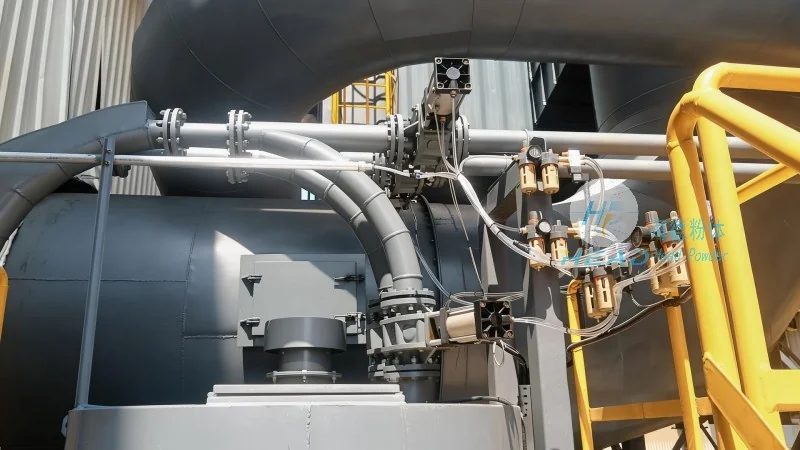
Monosodium glutamate is used in a wide range of food products, including soups, sauces, snacks, and processed meats. The pneumatic conveying systems designed for MSG are often integrated into larger production lines, ensuring a continuous and efficient supply of the material. These systems are commonly found in food processing plants, where they contribute to the smooth operation of production processes. The design principles discussed above are tailored to meet the specific requirements of each application, ensuring that the system is both effective and cost-efficient. For example, in a large-scale food manufacturing facility, a pneumatic conveying system may transport MSG from storage silos to mixing tanks, enabling rapid and consistent flavor enhancement.
Conclusion
Pneumatic conveying is a vital technology for the efficient and safe handling of monosodium glutamate material. The design principles, components, and advantages discussed in this article highlight the importance of careful planning and execution in the development of such systems. By understanding the specific properties of MSG and implementing appropriate design strategies, manufacturers can ensure optimal performance and product quality. As a leading provider in this field, Shandong HeadPowder Engineering Co., Ltd. specializes in designing and manufacturing pneumatic conveying systems tailored to the unique needs of the food industry, ensuring reliable and efficient material handling solutions. With expertise in handling fine powders like MSG, the company delivers systems that meet the highest standards of safety, efficiency, and product integrity, supporting the smooth operation of food processing operations worldwide.