

Roots Blower Material Pneumatic Conveying Equipment: What It Is and Its Design Principles
Roots blower material pneumatic conveying equipment represents a sophisticated solution for the efficient and reliable transport of bulk materials in industrial settings. This technology, which combines the power of a roots blower with pneumatic conveying principles, is widely adopted across sectors such as chemicals, food processing, and pharmaceuticals due to its ability to handle a diverse range of materials, including powders, granules, and fine particles. The system operates by utilizing a roots blower to generate a high-pressure air stream, which then propels the material through a sealed pipeline network. Understanding the fundamental concepts behind this equipment, including its design principles and operational mechanics, is crucial for optimizing performance and ensuring long-term operational efficiency.
Core Components and Their Functions
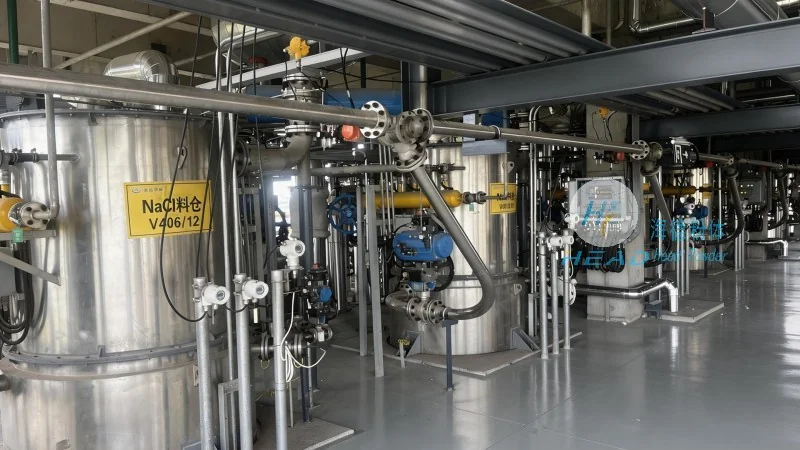
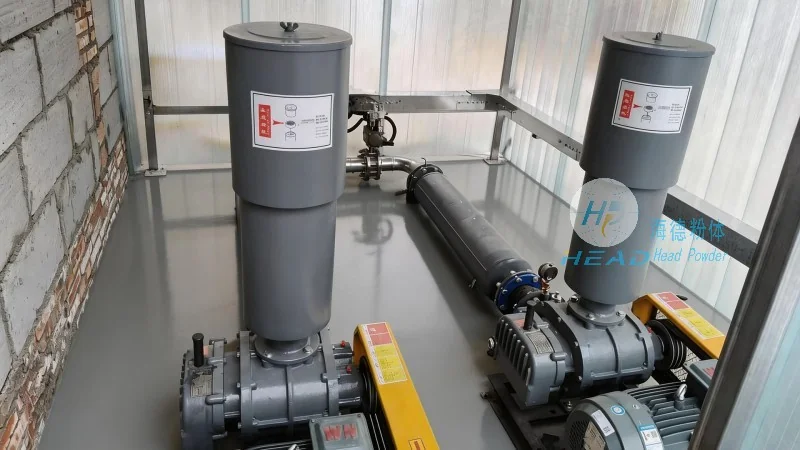
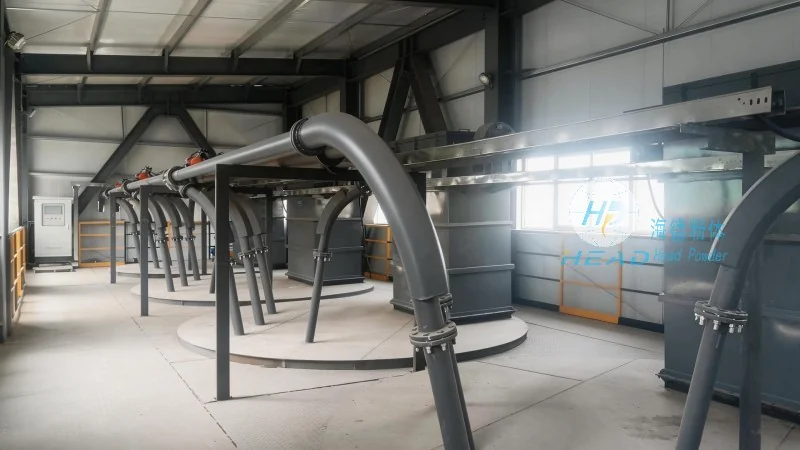
The roots blower material pneumatic conveying system comprises several key components, each playing a vital role in the overall functionality. The primary component is the roots blower, a positive displacement device that creates the necessary air pressure. It consists of two interlocking lobed rotors that rotate in opposite directions, generating a series of sealed cavities that move air or gas through the system. The blower's capacity is determined by its size, speed, and the number of lobes, and it must be matched to the specific material being conveyed to ensure optimal performance. The material feed hopper is where the bulk material is loaded, and it is equipped with a feeder or valve to control the flow rate, preventing overloading and maintaining consistent material transport. The conveying pipeline, typically made of stainless steel or PVC, connects the blower to the discharge point and is designed to withstand the pressure and abrasive nature of the material. It may include fittings, elbows, and straight sections to direct the material flow. The discharge unit, often a filter or separator, collects the material at the end of the pipeline and separates it from the air stream, ensuring that the material is delivered to the intended destination without contamination.
Design Principles for Efficient Material Handling
The design of roots blower material pneumatic conveying equipment is guided by several critical principles to ensure that the system operates efficiently and reliably. First, the selection of the roots blower size is paramount, as it must be capable of generating the required air pressure and volume to handle the specific material's characteristics, such as density, flow rate, and particle size. The blower's capacity is typically calculated based on the material's bulk density, the desired conveying velocity, and the pipeline length and diameter. Second, minimizing pressure drop is essential to reduce energy consumption and prevent material blockages. This is achieved through the use of smooth, well-designed pipelines and appropriate fittings, which reduce friction and resistance. Third, the material feed rate must be carefully controlled to match the blower's capacity, ensuring consistent flow and preventing overloading. Additionally, the system is designed to handle different material properties, such as moisture content, abrasiveness, and hygroscopicity, by incorporating features like air filters, wear-resistant components, and moisture control mechanisms. These design considerations ensure that the equipment can handle a wide range of materials while maintaining high performance and durability.
Applications and Industry Benefits
Roots blower material pneumatic conveying equipment is utilized in a variety of applications across different industries, each benefiting from the system's unique advantages. In the chemical industry, it is commonly used to transport powders like pigments, catalysts, and additives, which are often sensitive to moisture and require precise handling. The food processing sector relies on this technology for conveying ingredients such as flour, sugar, and spices, ensuring hygienic and efficient processing. The pharmaceutical industry also utilizes roots blower systems for the transport of active pharmaceutical ingredients (APIs) and other sensitive materials, where contamination control and material purity are paramount. The primary benefits of using roots blower material pneumatic conveying systems include improved process efficiency, reduced labor costs, and enhanced safety compared to traditional methods like manual handling or mechanical conveyors. Additionally, the system can handle materials that are difficult to transport using other methods, such as those with high moisture content or abrasive properties, making it a versatile solution for various industrial challenges.