

What is a Bamboo Powder Material Pneumatic Conveying Equipment? And What Are Its Design Principles?
Bamboo powder is a widely used material in various industries, such as papermaking, building materials, and chemical processing. The efficient transportation of bamboo powder from one location to another is crucial for industrial production processes. Pneumatic conveying equipment has emerged as a reliable solution for handling this material, especially when considering its fine particle size and potential dust issues. This article aims to explore the concept of bamboo powder material pneumatic conveying equipment and delve into its design principles, providing a comprehensive understanding for those involved in the industry.
Pneumatic Conveying: An Overview
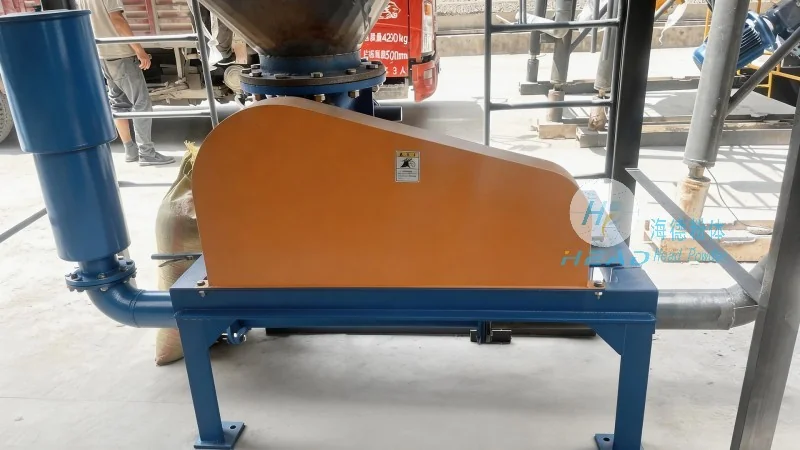
Pneumatic conveying is a method of transporting bulk materials through a pipeline using air or gas as the conveying medium. Unlike traditional mechanical conveyors, which rely on mechanical components like belts or screws, pneumatic systems utilize the force of compressed air to move materials. This technology is particularly suitable for materials that are dusty, have a fine particle size, or are sensitive to mechanical stress. The core of a pneumatic conveying system consists of several key components, including a material feeder, a pipeline network, a conveying air source (usually a blower or compressor), and a separation and collection unit.
Bamboo Powder: Unique Characteristics and Challenges
Bamboo powder, derived from processed bamboo, typically has a fine particle size, often ranging from 100 to 2000 microns. This fine texture makes it prone to dust generation and can cause clogging in traditional conveying systems. Additionally, bamboo powder may have varying moisture content and chemical properties, which can affect its flowability and handling characteristics. These challenges necessitate specialized equipment designed to handle the material's unique properties while ensuring efficient and safe transportation.
Design Principles of Bamboo Powder Pneumatic Conveying Equipment
The design of a bamboo powder pneumatic conveying system must address several critical factors to ensure optimal performance. First, the choice of conveying method—either pressure or vacuum—depends on the application and the distance the material needs to travel. Pressure systems use compressed air to push the material through the pipeline, while vacuum systems use suction to draw the material in. For bamboo powder, which is often transported over moderate distances within a facility, a pressure system is commonly preferred due to its ability to handle higher material loads and maintain consistent flow rates.
Second, the material feeder is a critical component that determines the system's capacity and efficiency. For bamboo powder, which can be abrasive and prone to bridging, a rotary valve or a screw feeder with a wear-resistant design is often used. These feeders ensure a consistent flow of material into the pipeline, preventing blockages and maintaining system stability. The feeder's design must also consider the material's moisture content, as excessive moisture can lead to clogging or increased wear on the equipment.
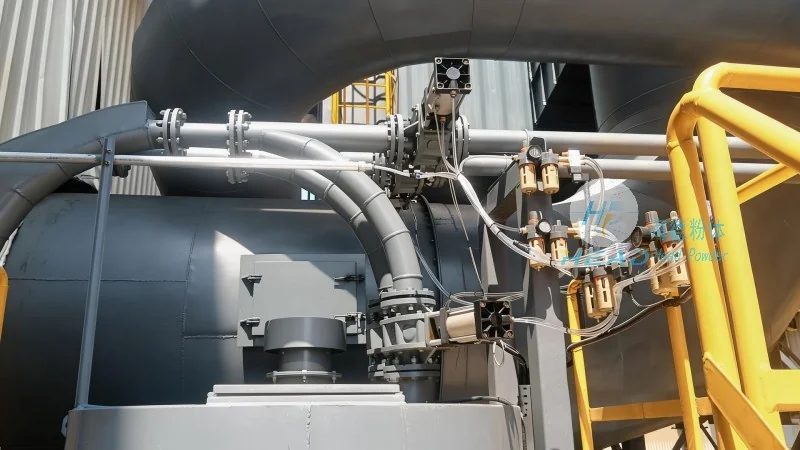
Third, the pipeline design plays a significant role in the system's performance. The diameter and length of the pipeline, along with the number of bends and fittings, affect the pressure drop and the overall efficiency of the conveying process. For bamboo powder, which has a low bulk density, a larger pipeline diameter may be required to maintain adequate flow velocity and prevent particle settling. Additionally, the use of smooth, corrosion-resistant materials for the pipeline (such as stainless steel or PVC) is essential to prevent material buildup and ensure long-term system reliability.
Fourth, the conveying air source is another key element that impacts the system's performance. A high-efficiency blower or compressor is typically used to generate the necessary air pressure or vacuum. The air volume and pressure must be carefully matched to the material's characteristics and the system's requirements to avoid excessive energy consumption or insufficient conveying capacity. For bamboo powder, which is light and fine, a moderate air flow rate is often sufficient, but the air quality must be controlled to prevent dust contamination and ensure the material remains within the pipeline.
Fifth, the separation and collection unit is essential for safely handling the material at the end of the conveying process. This unit typically includes a cyclone separator or a baghouse filter to separate the conveying air from the material particles. For bamboo powder, which is a fine powder, a high-efficiency cyclone separator is often used to capture the majority of the particles, while a secondary filter may be added to ensure compliance with air quality regulations. The collected material is then discharged into a storage bin or processing unit, completing the conveying cycle.
Components and Functionality of the Equipment
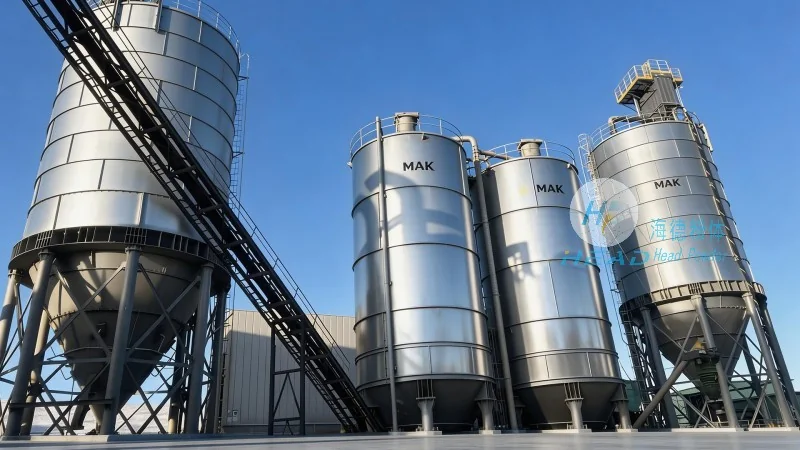
The bamboo powder pneumatic conveying equipment from Shandong HeadPowder Engineering Co., Ltd. incorporates all these design principles to provide a reliable and efficient solution for industrial applications. The company specializes in manufacturing customized pneumatic conveying systems tailored to the specific needs of bamboo powder processing facilities. The equipment includes a robust material feeder designed to handle the abrasive nature of bamboo powder, a high-capacity blower to ensure consistent air flow, and a sophisticated separation system to maintain air quality and material purity.
Each component is engineered with precision to meet the unique challenges of bamboo powder transportation. The feeder features a wear-resistant lining and an adjustable speed control to regulate the material flow rate. The blower is equipped with a variable frequency drive (VFD) to optimize energy consumption based on the system's load. The separation unit utilizes advanced filtration technology to capture even the finest particles, ensuring that the conveyed air is clean and the material is free from contamination.
Applications and Benefits
Bamboo powder pneumatic conveying equipment is widely used in various industries that process bamboo powder, including the paper industry, where it is used as a raw material for paper production, and the building materials industry, where it is used as a filler in concrete and other construction materials. The equipment offers several benefits over traditional conveying methods, such as reduced labor costs, improved safety (as there is no direct human contact with the material), and increased production efficiency. Additionally, pneumatic conveying systems can be easily integrated into existing production lines, minimizing downtime and installation costs.
Conclusion
In conclusion, bamboo powder material pneumatic conveying equipment is a critical component in the efficient processing of bamboo powder. The design principles, including the choice of conveying method, material feeder, pipeline design, air source, and separation system, are all tailored to address the unique characteristics of bamboo powder. The equipment from Shandong HeadPowder Engineering Co., Ltd. exemplifies these principles, providing a reliable and efficient solution for industrial applications. By understanding the design and functionality of such equipment, industries can optimize their production processes and enhance their overall operational efficiency.