

What is Xiaomi Material Pneumatic Conveying Equipment? And What is Its Design Principle?
HeadPowder, a leading manufacturer based in Shandong, China, specializes in the design and production of advanced pneumatic conveying systems tailored for transporting various materials. Among their innovative solutions is the Xiaomi material pneumatic conveying equipment, which has gained significant attention in the industry for its efficiency and reliability. This equipment is specifically engineered to handle small particles or fine powders, making it ideal for applications in food processing, pharmaceuticals, and chemical industries. Understanding the core components and design principles of this equipment is crucial for users seeking to optimize material handling processes.
Key Components of the Equipment
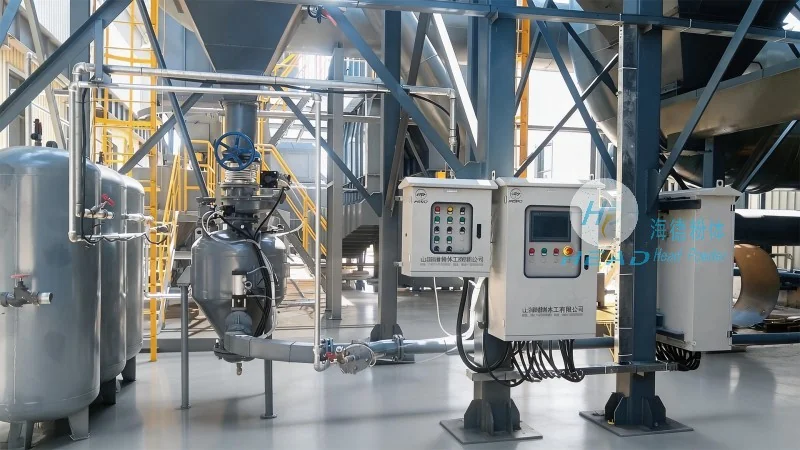
The Xiaomi material pneumatic conveying equipment consists of several critical components that work in tandem to ensure smooth material transport. The primary components include a hopper for material storage, a rotary valve or feeder to control the flow rate, a conveying line (often equipped with a filter or separator to prevent particle loss), and a receiver or discharge hopper. The system operates by using compressed air or gas to create a flow that propels the material through the pipeline. The hopper ensures a consistent feed, while the feeder regulates the material's velocity to maintain a stable conveying rate. The conveying line, typically made of stainless steel or other corrosion-resistant materials, is designed to withstand the pressure and friction associated with high-speed material transport. The filter or separator at the end of the line is essential for capturing any fine particles that may escape, ensuring that the material is delivered in a clean and controlled manner. Each component is carefully selected and integrated to maximize efficiency and minimize downtime, reflecting the engineering expertise of HeadPowder.
Design Principles and Operational Mechanism
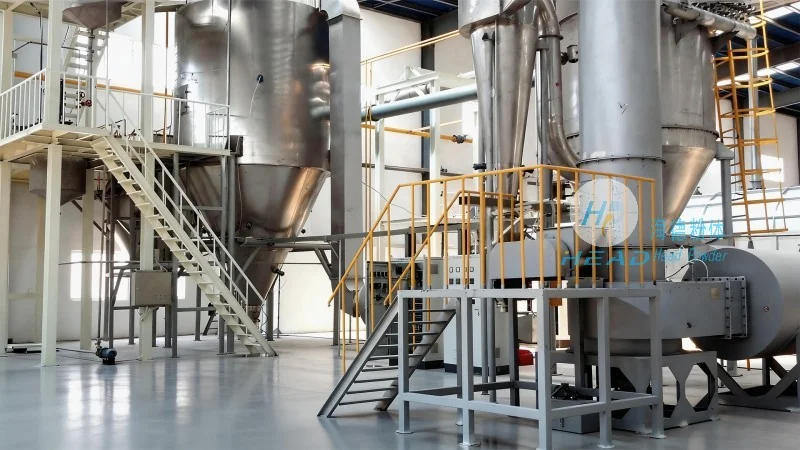
The design of the Xiaomi material pneumatic conveying equipment is guided by several fundamental principles aimed at optimizing performance and durability. The first principle is the use of positive pressure or negative pressure systems, depending on the material's properties and the application requirements. Positive pressure systems, where air is blown into the conveying line, are commonly used for materials that are light and easily suspended, such as fine powders. Negative pressure systems, where air is drawn out of the line, are preferred for heavier or more abrasive materials that may cause wear and tear on the equipment. The choice of system directly impacts the energy consumption and overall efficiency of the operation. Another key principle is the selection of the appropriate conveying velocity, which is determined by the material's density, particle size, and the length of the conveying line. Excessive velocity can lead to increased wear on the components and higher energy costs, while insufficient velocity may result in material deposition or blockages. HeadPowder engineers carefully calculate the optimal velocity to balance these factors, ensuring that the equipment operates within its design limits. Additionally, the equipment incorporates features such as pulse jets or vibration systems to prevent material buildup and maintain consistent flow. These mechanisms are crucial for maintaining the integrity of the material and preventing clogging, which can significantly impact production efficiency. The design also emphasizes the use of corrosion-resistant materials, particularly for applications involving chemicals or moisture, to extend the equipment's lifespan and reduce maintenance costs. By adhering to these design principles, the Xiaomi material pneumatic conveying equipment achieves high levels of performance and reliability, making it a preferred choice for industries that demand precision and efficiency in material handling.
Applications and Industry Impact
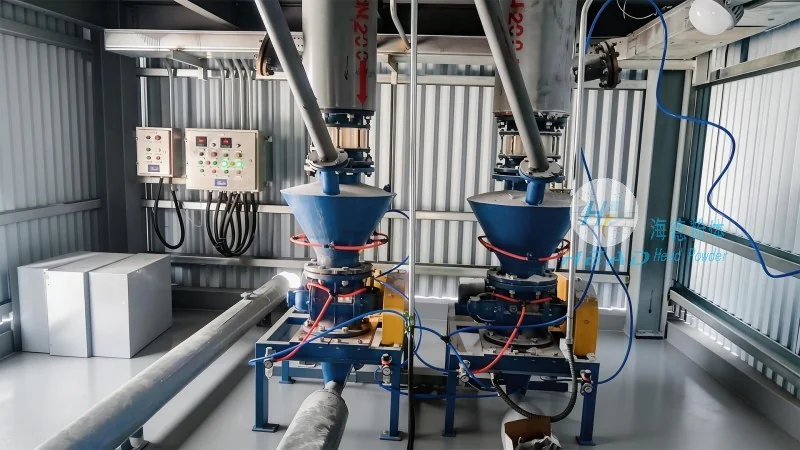
The Xiaomi material pneumatic conveying equipment is widely used in various industries due to its versatility and adaptability. In the food industry, it is employed to transport ingredients like flour, sugar, and spices, ensuring that the materials are handled hygienically and without contamination. The equipment's stainless steel construction and easy-to-clean design meet the stringent hygiene standards required in food processing. In the pharmaceutical industry, the equipment is used to convey active pharmaceutical ingredients (APIs) and other fine powders, where precision and contamination control are paramount. The ability to maintain a sterile environment and prevent cross-contamination is critical, and the design of the Xiaomi equipment addresses these concerns effectively. Similarly, in the chemical industry, the equipment is utilized for transporting powders and granules, including those that are abrasive or corrosive. The robust construction and corrosion-resistant materials ensure that the equipment can withstand harsh conditions, reducing the risk of failure and downtime. The equipment's ability to handle a wide range of materials and operating conditions makes it a valuable asset for manufacturers seeking to streamline their production processes. By improving material handling efficiency, the Xiaomi pneumatic conveying equipment helps companies reduce labor costs, minimize material waste, and enhance overall productivity. The consistent and reliable transport of materials also contributes to better quality control, as the equipment ensures that the material is delivered in a uniform state, free from clumping or segregation. This, in turn, leads to higher product quality and customer satisfaction. The impact of the Xiaomi material pneumatic conveying equipment extends beyond individual companies, as it contributes to the broader efficiency of material handling in the industry. By optimizing the transport of raw materials and finished products, the equipment supports the sustainable and scalable growth of businesses, making it an essential component of modern industrial operations.