

What is a Cement Aggregate Material Pneumatic Conveying Equipment? And What Are Its Design Principle
When it comes to the efficient and reliable transport of cement and aggregate materials in industrial settings, pneumatic conveying equipment has emerged as a critical solution. These systems utilize air pressure to move bulk materials like cement, sand, and gravel through pipelines, offering a flexible and effective alternative to traditional methods such as belt conveyors or bucket elevators. For businesses in the construction and manufacturing sectors, understanding what cement aggregate material pneumatic conveying equipment is and how its design principles work is essential for optimizing material handling processes.
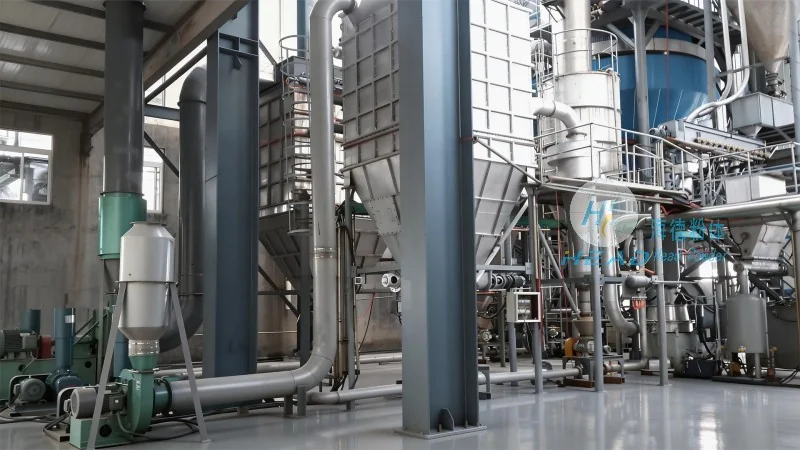
Understanding the Core Function and Application of Pneumatic Conveying Systems
Pneumatic conveying systems are designed to handle a wide range of materials, including fine powders like cement and coarse aggregates like sand and gravel. The primary function of these systems is to transport bulk materials from one location to another without the need for manual handling or mechanical components that may cause wear and tear. This makes them ideal for applications where materials need to be moved over short or long distances, through vertical or horizontal paths, and even around obstacles or changes in elevation. The versatility of pneumatic conveying equipment allows it to be integrated into various production lines, from cement plants to concrete mixing facilities, enhancing overall operational efficiency.
Key Design Principles for Efficient Material Handling
The design principles of cement aggregate material pneumatic conveying equipment revolve around the balance of air pressure, material properties, and system configuration. A key principle is the use of positive or negative pressure to move materials. Positive pressure systems, also known as pressure conveying, generate air pressure at the material inlet, pushing the material through the pipeline. Negative pressure systems, or vacuum conveying, create a vacuum at the material outlet, drawing the material into the system. The choice between these two depends on factors such as material characteristics, distance to be covered, and system layout. Additionally, the design must consider the material's flowability, density, and moisture content, as these factors affect the air velocity required to maintain a stable flow. Proper sizing of the air ducts, the use of appropriate air valves, and the integration of filters and cyclones are all critical design elements that ensure efficient and reliable operation.
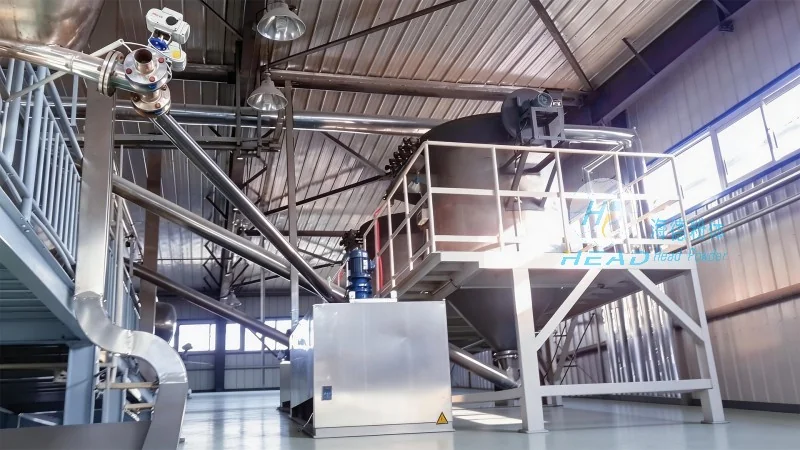
Technical Components and Operational Mechanisms
At the heart of a pneumatic conveying system are several key components that work in tandem to achieve effective material transport. The material hopper or feeder is the starting point, where the bulk material is stored and fed into the system. From there, the material enters the conveying line, which may include horizontal, vertical, or inclined sections. Air is introduced into the system via a blower or compressor, creating the necessary pressure differential. The air and material mixture travels through the pipeline, with the air velocity maintained at a level that prevents material settling or blockages. At the destination, a separator or cyclone separates the material from the air, allowing the material to be discharged and the air to be recirculated or vented. The control system, which includes sensors and valves, monitors the system's performance and adjusts air pressure and flow rates as needed to maintain optimal operation. These components are engineered to withstand the abrasive nature of cement and aggregate materials, ensuring long-term durability and minimal maintenance.
Advantages of Using Pneumatic Conveying Equipment for Cement and Aggregate Transport
There are several advantages to using pneumatic conveying equipment for cement and aggregate transport. One of the most significant benefits is the reduction in labor costs and manual handling, as the system automates the entire material transport process. This not only improves safety by minimizing human exposure to dust and heavy loads but also increases productivity by allowing materials to be moved continuously and at high speeds. Another advantage is the flexibility of the system, which can be easily reconfigured to accommodate changes in production volume or layout. Pneumatic conveying also reduces material degradation, as the enclosed system prevents exposure to moisture, air, or contaminants that could affect the quality of the cement or aggregate. Additionally, the system is compact and can be installed in areas where traditional conveyors may not fit, making it suitable for space-constrained facilities. Overall, the use of pneumatic conveying equipment leads to improved operational efficiency, lower maintenance costs, and higher product quality.
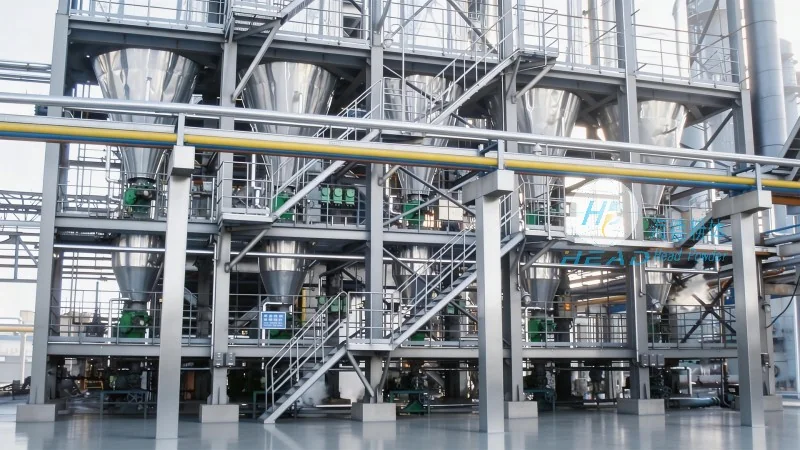
Application Scenarios and Industry Relevance
The applications of cement aggregate material pneumatic conveying equipment are diverse and widespread across various industries. In cement plants, these systems are used to transport raw materials such as limestone and clay from storage silos to processing units, as well as to move finished cement products from the production line to storage silos or shipping containers. In concrete mixing facilities, pneumatic conveyors are used to deliver sand, gravel, and cement to the mixing station, ensuring a consistent and uniform blend of materials. The equipment is also used in construction sites, where it can transport aggregates from stockpiles to the mixing truck or on-site storage. Additionally, in manufacturing plants that produce precast concrete products, pneumatic conveying systems are used to move raw materials to the production line and finished products to storage areas. The adaptability of these systems makes them suitable for a wide range of industrial applications, from small-scale operations to large-scale production facilities.
About Shandong HeadPowder Engineering Co., Ltd.
Shandong HeadPowder Engineering Co., Ltd., commonly known as HeadPowder, is a leading manufacturer and supplier of pneumatic conveying equipment for cement and aggregate materials. With a strong focus on innovation and quality, HeadPowder has established itself as a trusted partner for businesses in the construction and manufacturing sectors. The company's headquarters is located in Shandong, China, where it has a state-of-the-art manufacturing facility equipped with advanced technology and skilled workforce. HeadPowder specializes in designing and manufacturing customized pneumatic conveying systems that meet the specific needs of its clients, ensuring optimal performance and reliability. The company's commitment to customer satisfaction and technical excellence has earned it a reputation for delivering high-quality products and services that enhance the efficiency of material handling processes. Whether you are a new business entering the market or an established company looking to upgrade your equipment, HeadPowder offers a range of solutions that are tailored to your requirements.