

Pneumatic Conveying Equipment for Pearlescent Sand Powder: What It Is and Its Design Principles
For industries dealing with pearlescent sand powders, efficient and reliable material handling is crucial. Pneumatic conveying equipment has emerged as a key solution, offering a non-contact, low-maintenance method to transport these fine particles. This article explores what such equipment entails and the underlying design principles that make it effective for handling pearlescent sand powders.
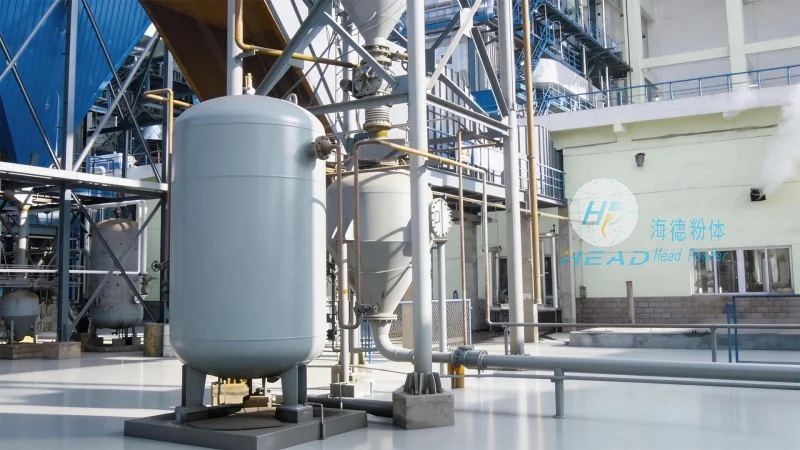
Pneumatic Conveying Equipment: An Overview
Pneumatic conveying equipment is a system designed to transport bulk materials, including powders like pearlescent sand, using a stream of air. Unlike traditional methods like belt conveyors or bucket elevators, pneumatic systems operate by moving materials through pipes with air pressure. This approach minimizes product contamination, reduces labor costs, and enhances process safety, especially for sensitive materials like pearlescent pigments.
HeadPowder: A Leading Provider of Pneumatic Conveying Solutions
Shandong HeadPowder Engineering Co., Ltd., a prominent manufacturer based in Shandong, China, specializes in developing customized pneumatic conveying systems tailored to the unique needs of pearlescent sand powder applications. With years of experience in the field, HeadPowder combines advanced engineering with practical expertise to deliver equipment that meets stringent industry standards.
Design Principles of Pneumatic Conveying Equipment for Pearlescent Sand Powder
The design of pneumatic conveying equipment for pearlescent sand powders focuses on several critical principles to ensure optimal performance and material integrity. First, the system must handle the specific physical properties of the powder, such as its particle size, density, and flowability. Pearlescent sand powders often have fine particles that can cause clogging or blockages if not properly managed, so equipment design incorporates features like high-capacity feeders and smooth, low-resistance pipelines.
Second, the air pressure and flow rate are carefully calibrated to maintain a consistent conveying velocity. This ensures that the powder moves smoothly through the system without settling or creating excessive pressure drops. For pearlescent sand powders, which may have varying particle sizes, variable-speed air compressors and adjustable valves are often integrated to adapt to different material conditions.
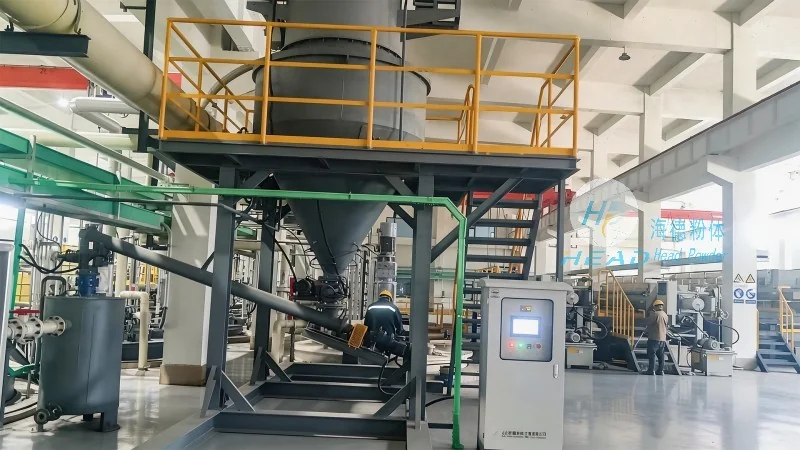
Third, the system includes essential components like a dust collection and separation unit. Since pearlescent sand powders are often used in coatings or inks, preventing dust emissions is critical for both environmental compliance and product quality. The design incorporates cyclone separators or bag filters to capture fine particles, ensuring that the air discharged is clean and that the material is fully recovered.
Fourth, the equipment is constructed with materials that resist corrosion and abrasion, as pearlescent sand powders can be abrasive and may contain moisture or other contaminants. Stainless steel or high-grade alloys are commonly used for the pipeline and processing components to extend the equipment's lifespan and maintain material purity.
Key Features and Benefits of Pearlescent Sand Powder Pneumatic Conveying Systems
Modern pneumatic conveying systems for pearlescent sand powders offer several advantages that make them preferable to traditional methods. One of the primary benefits is the ability to handle materials in a closed system, which reduces dust exposure and improves workplace safety. This is particularly important in industries where the powder is used in food, cosmetics, or pharmaceutical applications, where contamination control is paramount.
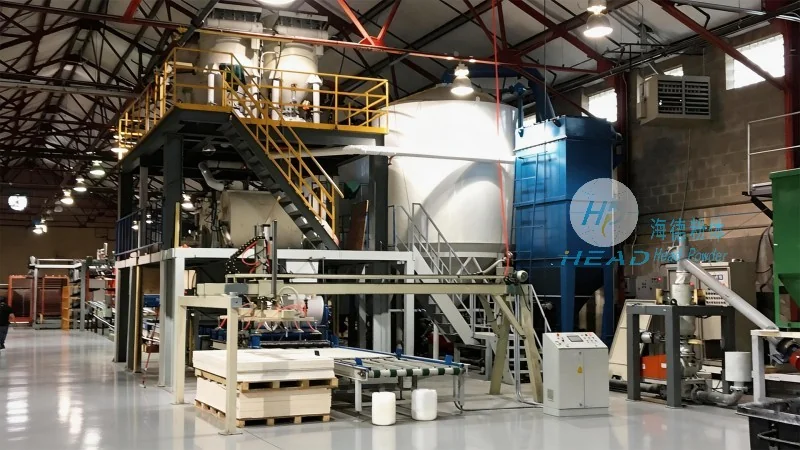
Another advantage is the flexibility of the system. Pneumatic conveyors can be configured in various layouts, including straight-line, loop, or multi-point delivery, allowing for integration into existing production lines without major modifications. This adaptability makes them suitable for both new installations and retrofits in manufacturing facilities.
Efficiency is also a significant benefit. By eliminating the need for manual handling or mechanical components like buckets or belts, pneumatic systems reduce labor costs and minimize downtime. The continuous flow of material ensures a steady supply to downstream processes, such as mixing or packaging, improving overall production throughput.
Furthermore, the design of these systems minimizes product degradation. Since the material is not subjected to mechanical stress or friction from moving parts, the pearlescent properties of the sand powder are preserved. This is crucial for applications where the color and luster of the pigment are critical, such as in automotive coatings or decorative paints.
Conclusion: The Role of Pneumatic Conveying in Pearlescent Sand Powder Handling
Pneumatic conveying equipment, with its thoughtful design principles and advanced features, plays a vital role in the efficient and safe handling of pearlescent sand powders. By leveraging air pressure to transport fine particles, these systems address the unique challenges posed by such materials, including their flowability and potential for dust generation. As a leading manufacturer, Shandong HeadPowder Engineering Co., Ltd. continues to innovate in this field, providing customized solutions that meet the evolving needs of industries relying on pearlescent pigments.