

Working Principle and Characteristics of High-Alumina Fly Ash Pneumatic Conveying
High-alumina fly ash, a byproduct of coal combustion in thermal power plants, presents unique handling challenges due to its chemical composition and physical properties. Pneumatic conveying systems have emerged as an efficient solution for transporting this material, offering advantages over traditional methods like belt conveyors or bucket elevators. This article explores the working principle and key characteristics of high-alumina fly ash pneumatic conveying, highlighting how such systems enhance operational efficiency and environmental compliance.
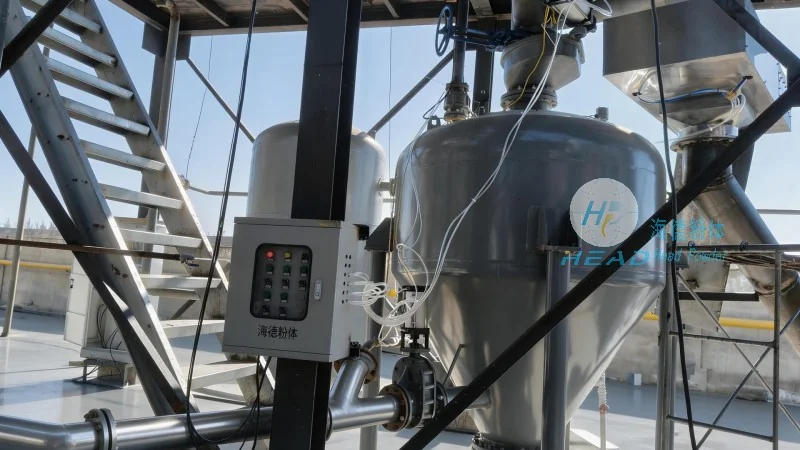
Understanding the Working Principle of High-Alumina Fly Ash Pneumatic Conveying
The core of a high-alumina fly ash pneumatic conveying system lies in its ability to transport particulate materials using pressurized air or suction. The process typically involves several key components: a feeding hopper, a conveying pipeline, a dust separator, and a discharge unit. When the system operates under pressure, air is introduced into the pipeline, creating a flow that lifts and transports the fly ash particles. The velocity of the air is critical; it must be sufficient to overcome the gravitational forces acting on the particles while maintaining a stable, non-clogging flow. The system may employ either positive pressure (blowing air into the pipeline) or negative pressure (suction from the pipeline), with positive pressure being more common for high-alumina fly ash due to its abrasive nature and the need to minimize particle degradation.
During operation, the high-alumina fly ash is fed into the conveying hopper, where it is mixed with the pressurized air. The air-fuel mixture then travels through the pipeline, carrying the ash particles to the destination point. At the end of the pipeline, a dust separator, such as a cyclone or bag filter, separates the ash from the air stream. The separated ash is collected in a discharge bin, while the clean air is either vented to the atmosphere or recirculated back into the system to improve energy efficiency. This closed-loop design minimizes dust emissions and ensures compliance with environmental regulations, which is particularly important for high-alumina fly ash due to its potential to cause respiratory issues if inhaled.
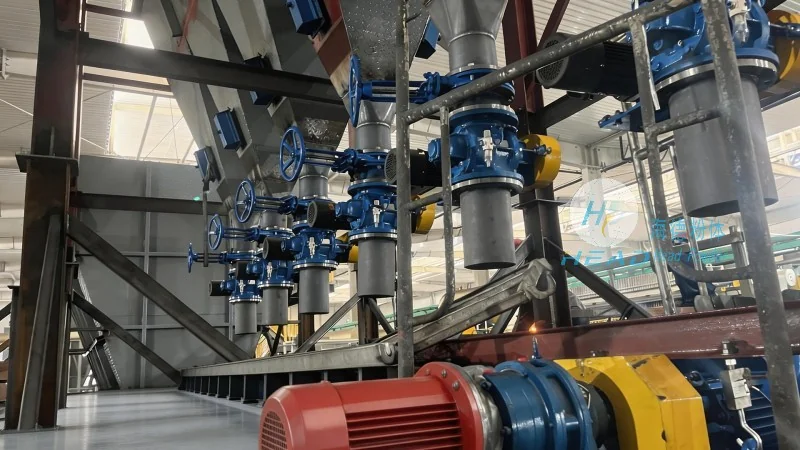
Key Characteristics of High-Alumina Fly Ash Pneumatic Conveying Systems
High-alumina fly ash pneumatic conveying systems exhibit several distinct characteristics that make them suitable for industrial applications. First, they offer high transport efficiency, capable of moving large volumes of material over long distances with minimal energy consumption compared to mechanical conveyors. The system's flexibility allows for multiple discharge points, enabling the distribution of fly ash to various storage or processing facilities without the need for complex reconfiguration. Additionally, pneumatic conveying systems are less prone to material degradation, as the abrasive nature of high-alumina fly ash can cause wear on mechanical components. The enclosed pipeline design reduces exposure to the environment, preventing contamination and maintaining the material's quality.
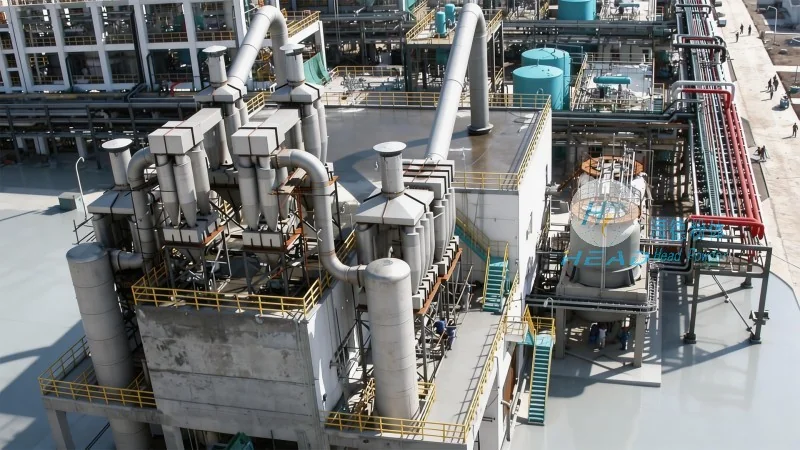
Another significant characteristic is the system's ability to handle varying particle sizes and moisture content. High-alumina fly ash often contains a mix of fine and coarse particles, and the pneumatic conveying process can accommodate these variations by adjusting air velocity and pressure. Moisture content is also managed effectively, as the system's design prevents material from sticking to the pipeline walls, which could lead to blockages. This adaptability makes the system reliable for continuous operation in power plants and other industrial settings.
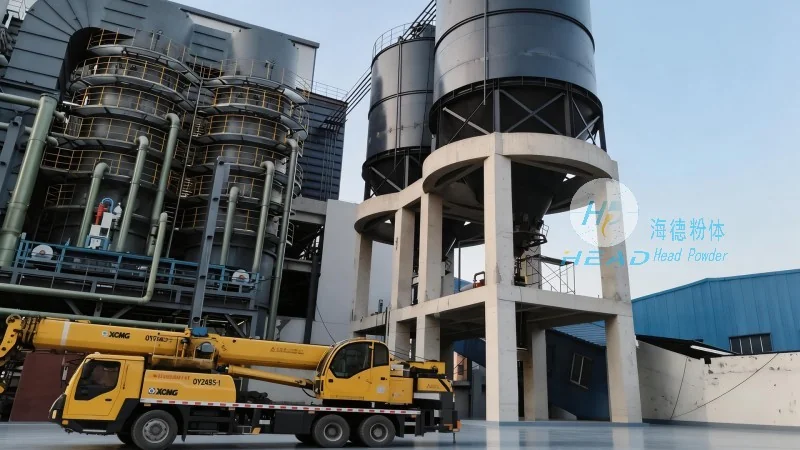
Environmental performance is a critical characteristic of high-alumina fly ash pneumatic conveying. The enclosed system significantly reduces dust emissions compared to open conveyors, contributing to better air quality and compliance with local regulations. The dust separator in the system captures a high percentage of particulate matter, ensuring that only clean air is released. This not only protects the environment but also enhances workplace safety by minimizing exposure to hazardous materials. Furthermore, the system's energy efficiency, particularly with air recirculation, reduces operational costs and aligns with sustainability goals.
About Shandong HeadPowder Engineering Co., Ltd.
Shandong HeadPowder Engineering Co., Ltd., operating under the brand name HeadPowder, specializes in the design, manufacturing, and installation of advanced pneumatic conveying systems for industrial applications. With a focus on high-quality materials and innovative engineering solutions, HeadPowder has become a trusted partner for power plants and other industries dealing with high-alumina fly ash. The company's expertise lies in tailoring pneumatic conveying systems to meet the specific needs of clients, ensuring optimal performance, reliability, and compliance with industry standards. HeadPowder's commitment to customer satisfaction and environmental responsibility has earned it a reputation as a leading provider of pneumatic conveying solutions in China.