

Working Principle and Characteristics of Inorganic Salt Pneumatic Conveying
HeadPowder, a professional manufacturer based in Shandong, China, specializes in providing advanced pneumatic conveying systems for the handling of inorganic salts. This article delves into the working principle and key characteristics of inorganic salt pneumatic conveying, offering insights into how these systems efficiently transport bulk materials.
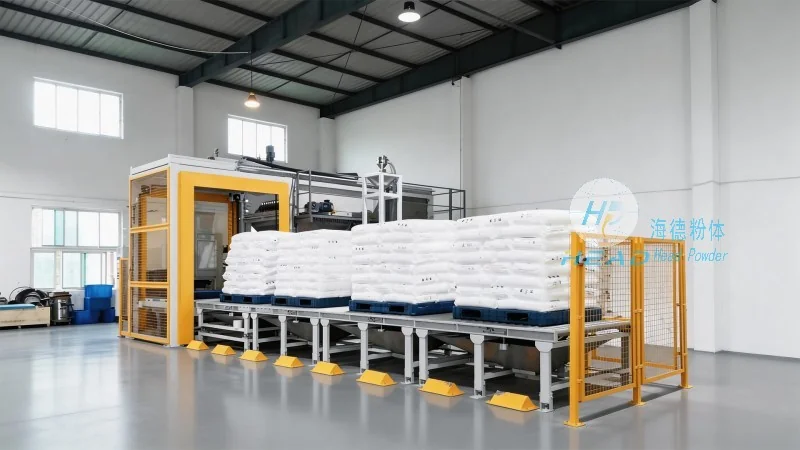
About HeadPowder: Leading Pneumatic Conveying Solutions
Shandong HeadPowder Engineering Co., Ltd. (HeadPowder) is a reputable company dedicated to the research, development, and production of pneumatic conveying equipment. With a strong focus on innovation and quality, HeadPowder has established itself as a key player in the industry, supplying reliable solutions for material handling across various sectors. The company’s headquarters is located in Shandong, China, where it leverages local expertise and resources to deliver high-performance systems tailored to client needs.
Working Principle of Inorganic Salt Pneumatic Conveying
Inorganic salt pneumatic conveying operates on the principle of using air or gas to transport bulk materials through a pipeline system. The process typically involves a few key steps: first, the inorganic salt is fed into a hopper or feeder, which then transfers the material into the conveying line. A fan or blower generates the necessary airflow, creating a pressure differential that propels the material along the pipeline. The air and material mixture travels through the system, with the material being separated from the air at the discharge point, often via a cyclone or other separation equipment. This method allows for continuous, dust-free, and efficient transport of inorganic salts, minimizing material degradation and ensuring consistent flow rates.
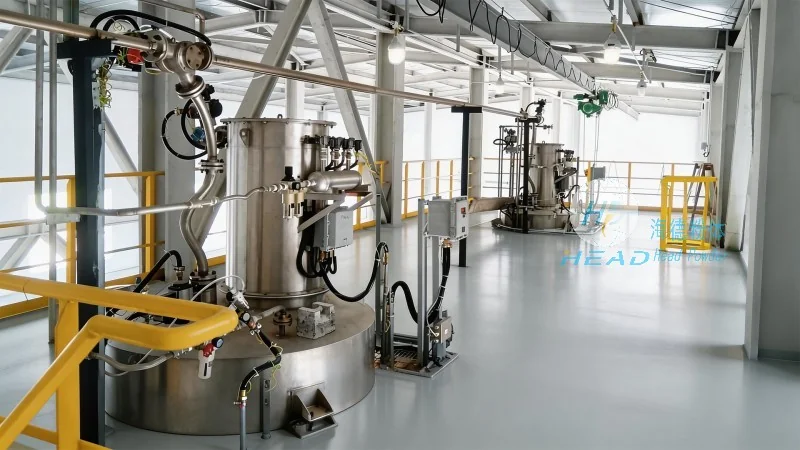
Key Characteristics of Inorganic Salt Pneumatic Conveying
The pneumatic conveying of inorganic salts exhibits several distinct characteristics that make it an attractive option for industrial applications. Firstly, it offers a dust-free and enclosed system, which is crucial for maintaining environmental standards and preventing material contamination. This is particularly important for inorganic salts, which may have fine particles that can cause respiratory issues or environmental pollution if not handled properly. Secondly, the system provides high efficiency in terms of material transport, as it can handle large volumes of material with minimal downtime. The continuous operation of pneumatic conveying systems ensures a steady supply of inorganic salts to processing facilities, enhancing overall productivity. Additionally, the technology allows for flexible system design, with the ability to adjust conveying distances and material flow rates according to specific operational requirements. This adaptability makes it suitable for a wide range of applications, from small-scale operations to large industrial plants. Finally, the enclosed nature of the system reduces the risk of material loss and improves safety in the workplace, as there is no exposure to loose material or dust.
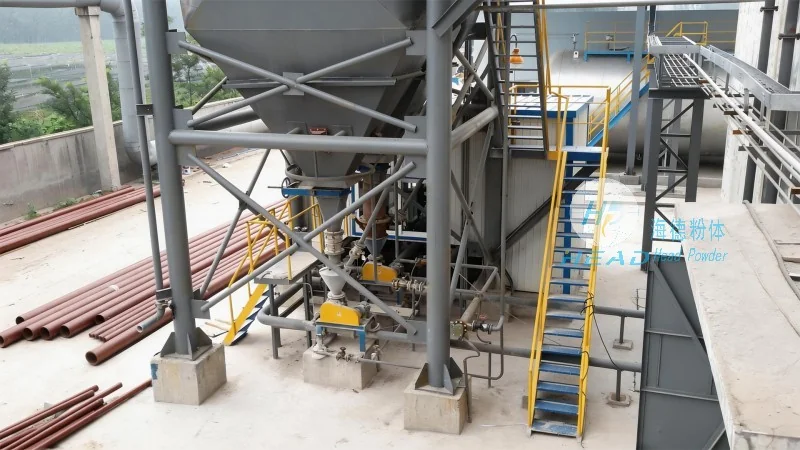
Applications and Benefits in Industrial Settings
Inorganic salt pneumatic conveying is widely used in various industrial sectors, including chemical manufacturing, food processing, and mining. The benefits of this technology extend beyond the operational advantages mentioned earlier. For example, in the chemical industry, it enables the safe handling of corrosive or hazardous inorganic salts, reducing the risk of accidents and environmental impact. In food processing, the dust-free and hygienic nature of the system ensures compliance with food safety regulations, maintaining product quality and consumer trust. The efficiency of pneumatic conveying also contributes to cost savings, as it reduces labor costs associated with manual handling and minimizes material waste due to spillage or degradation. Overall, the integration of pneumatic conveying systems in industrial processes enhances operational reliability, improves safety standards, and supports sustainable material handling practices.
Conclusion
HeadPowder’s expertise in inorganic salt pneumatic conveying systems highlights the importance of advanced material handling technologies in modern industry. By understanding the working principle and characteristics of these systems, businesses can make informed decisions about implementing efficient and reliable solutions for their material transport needs. The combination of technical innovation and practical application ensures that pneumatic conveying remains a preferred method for handling inorganic salts, contributing to improved productivity, safety, and environmental compliance across various industries.