

Working Principle and Characteristics of Lithium Cobalt Oxide Pneumatic Conveying
When discussing the pneumatic conveying of lithium cobalt oxide, it's essential to understand the underlying mechanisms and key attributes that define this process. Lithium cobalt oxide (LiCoO₂) is a critical component in lithium-ion batteries, and its efficient handling through pneumatic systems is vital for industrial applications. This article delves into the working principle and distinctive features of lithium cobalt oxide pneumatic conveying, providing insights into how this technology operates and its advantages.
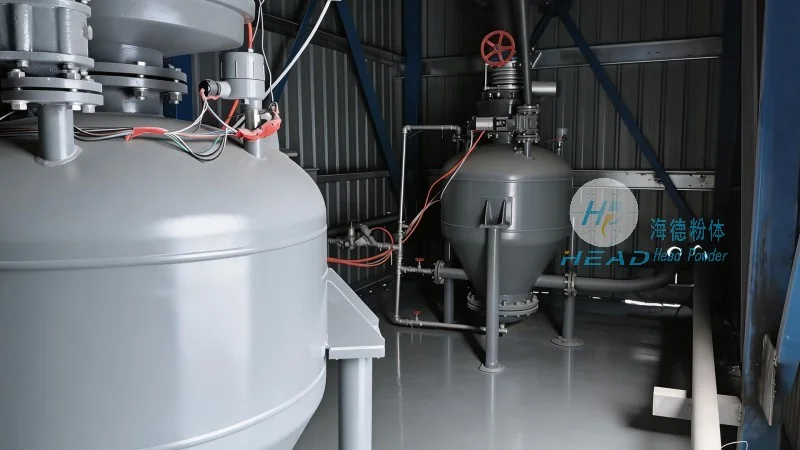
HeadPowder, a leading provider in the field, specializes in engineering solutions for material handling, including advanced pneumatic conveying systems. With a focus on precision and reliability, the company's expertise ensures optimal performance in transporting lithium cobalt oxide, a material known for its high reactivity and sensitivity to handling conditions. The following sections explore the technical aspects of the process and the unique characteristics that make lithium cobalt oxide pneumatic conveying effective.
The Working Principle of Lithium Cobalt Oxide Pneumatic Conveying
Lithium cobalt oxide pneumatic conveying operates on the principle of transporting solid particles through a pipeline using a stream of air or other gas. The process involves several key components and steps that work in tandem to move the material efficiently. First, the material is introduced into a hopper or feeder, where it is then fed into the conveying line. A fan or blower generates the necessary airflow, creating a pressure differential that propels the particles forward. The velocity of the air is critical; it must be sufficient to overcome the gravitational force and friction within the pipeline, ensuring the material remains suspended and moves without clogging.
As the air flows through the pipeline, it carries the lithium cobalt oxide particles in a dilute phase or dense phase, depending on the system design. Dilute phase conveying uses higher air velocities to keep particles suspended, while dense phase systems employ lower velocities and higher pressure to transport larger quantities with less air consumption. The choice between these methods depends on the material's properties, such as particle size, density, and moisture content, as well as the distance and complexity of the conveying route. For lithium cobalt oxide, which is often in fine powder form, dilute phase systems are commonly used due to their ability to handle fine particles effectively and maintain consistent flow rates.
Key Characteristics of Lithium Cobalt Oxide Pneumatic Conveying
Several distinct characteristics define the performance and suitability of lithium cobalt oxide pneumatic conveying systems. One of the primary advantages is the ability to handle fine powders without degradation or agglomeration. Lithium cobalt oxide particles are typically micron-sized, and the pneumatic system's design minimizes particle attrition, ensuring the material's quality is preserved throughout the conveying process. This is crucial for downstream applications, such as battery manufacturing, where the purity and particle size distribution of LiCoO₂ directly impact battery performance.
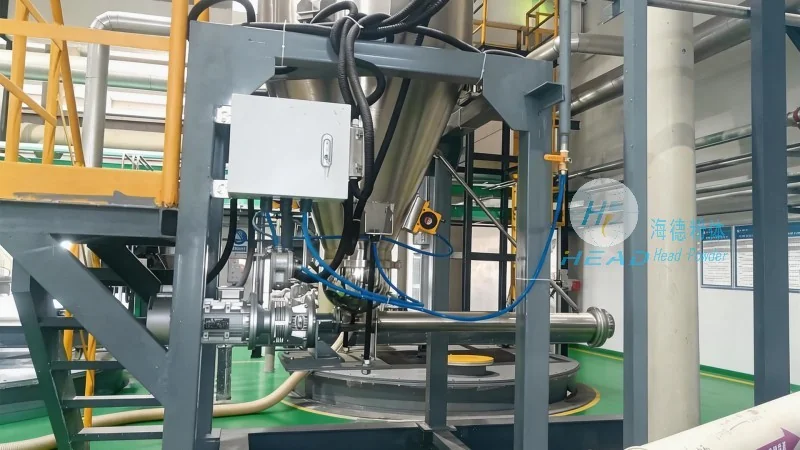
Another notable characteristic is the system's flexibility in terms of layout and integration. Pneumatic conveying systems can be configured in various configurations, including straight-line, looped, or vertical runs, allowing for adaptation to existing plant layouts. This adaptability is particularly valuable in industrial settings where space constraints or existing infrastructure may limit other material handling options. Additionally, the system can be integrated with other processing equipment, such as mixing, drying, or packaging units, creating a seamless material flow from extraction to final product.
Efficiency and energy consumption are also important characteristics of lithium cobalt oxide pneumatic conveying. Modern systems are designed to optimize air usage, reducing energy costs while maintaining effective material transport. By controlling the air velocity and pressure, operators can achieve the desired flow rate with minimal waste. This efficiency is enhanced by the use of advanced control systems that monitor and adjust the conveying parameters in real-time, ensuring consistent performance and minimizing downtime.
Application-Specific Considerations for Lithium Cobalt Oxide Handling
When implementing lithium cobalt oxide pneumatic conveying, specific considerations are necessary to ensure optimal results. The material's chemical properties, such as its reactivity with moisture or air, require careful control of the conveying environment. For instance, some systems may incorporate drying or inert gas purging to prevent oxidation or moisture absorption during transport. This is especially important for lithium cobalt oxide, which can degrade if exposed to moisture or oxygen.
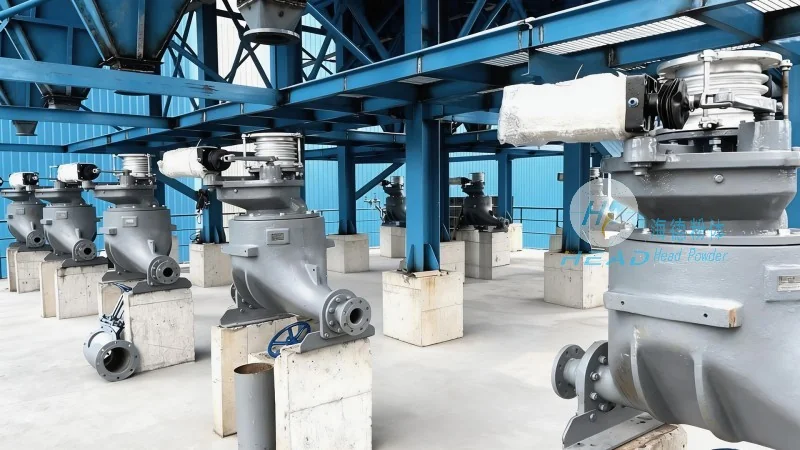
Particle size and distribution also play a significant role in system design. Coarser particles may require different air velocities or pipeline diameters to maintain flow, while fine powders demand more precise control to avoid clogging or loss of material. The system's design must account for these variations to ensure reliable operation. Additionally, the conveying distance and elevation changes need to be considered, as they affect the required air pressure and fan capacity.
Advantages of Lithium Cobalt Oxide Pneumatic Conveying
Compared to traditional methods like belt conveyors or bucket elevators, lithium cobalt oxide pneumatic conveying offers several advantages. One of the most significant is the ability to handle fine powders without the need for additional equipment, such as hoppers or chutes that may cause material degradation. The enclosed system also reduces dust emissions, improving workplace safety and environmental compliance. Furthermore, the system's compact design allows for integration into existing facilities with minimal disruption, making it a cost-effective solution for many industrial applications.
Another advantage is the system's ability to transport materials over long distances and through complex routes. Pneumatic conveying can handle vertical and horizontal segments, as well as changes in elevation, without the need for multiple pieces of equipment. This flexibility reduces the overall footprint of the system and simplifies maintenance. The enclosed nature of the system also minimizes the risk of material contamination, which is critical for high-purity applications like lithium cobalt oxide used in battery manufacturing.
Conclusion and Company Overview
Lithium cobalt oxide pneumatic conveying is a sophisticated and efficient method for handling this critical battery material. By understanding the working principle and key characteristics of the process, industries can optimize their material handling operations, ensuring high-quality transport and minimal degradation of the material. HeadPowder Engineering, with its expertise in pneumatic conveying systems, provides tailored solutions that meet the specific needs of lithium cobalt oxide handling. Based in Shandong, China, the company combines advanced technology with practical engineering to deliver reliable and efficient material transport solutions for the battery and related industries.