

Working Principle and Characteristics of Copper Sulfate Pneumatic Conveying
For industrial applications involving the transport of copper sulfate, pneumatic conveying systems offer an efficient and reliable method. This article explores the working principles and key characteristics of copper sulfate pneumatic conveying, highlighting the technology's benefits and operational aspects. The information is presented by Shandong HeadPowder Engineering Co., Ltd., a leading provider in the field, based in China.
Working Principle of Copper Sulfate Pneumatic Conveying
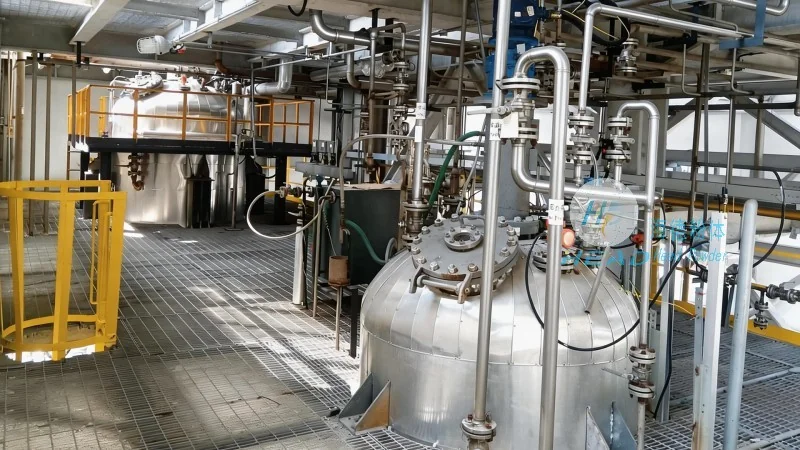
The core mechanism of copper sulfate pneumatic conveying involves the use of air or gas to transport the material through a pipeline system. The process typically begins with the material being fed into a hopper or feeder, where it is then introduced into the conveying line. A fan or blower generates the necessary air pressure, creating a flow that propels the copper sulfate particles through the pipeline. The system can operate in either dilute-phase or dense-phase modes, depending on the material characteristics and desired transport efficiency. In dilute-phase conveying, the material is suspended in the air stream, while in dense-phase conveying, the particles move in a more compacted state, often requiring higher air pressure to maintain the flow. The selection of the appropriate mode depends on factors such as the particle size, moisture content, and the distance to be covered. The working principle ensures that copper sulfate is transported without the need for mechanical components like belts or buckets, reducing maintenance and increasing safety in the process.
Key Characteristics of Copper Sulfate Pneumatic Conveying
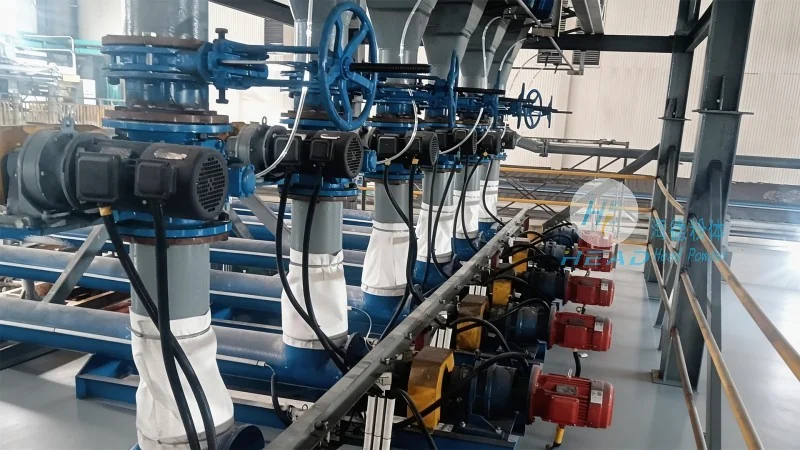
Several distinct characteristics define the performance of copper sulfate pneumatic conveying systems. Firstly, the system provides a dust-free and hygienic transport environment, which is crucial for applications where contamination must be minimized. This is particularly important in industries such as pharmaceuticals or food processing, where product purity is paramount. Secondly, the technology offers high flexibility in terms of layout and integration with existing facilities. The conveying lines can be installed in various configurations, including vertical, horizontal, or a combination of both, allowing for adaptation to different plant layouts. Thirdly, the system is capable of handling a wide range of particle sizes and moisture contents, making it suitable for diverse copper sulfate formulations. Additionally, the operation is relatively low-maintenance compared to traditional mechanical conveyors, as there are fewer moving parts that require regular servicing. This leads to reduced downtime and lower operational costs over the long term. Another notable characteristic is the ability to control the flow rate and pressure dynamically, enabling precise regulation of the material transport. This feature is beneficial for processes that require consistent material delivery to downstream equipment, such as reactors or mixers. The system also contributes to improved safety by eliminating the need for manual handling of bulk materials, reducing the risk of accidents and exposure to dust.
Benefits and Applications in Industrial Settings
The advantages of copper sulfate pneumatic conveying extend to various industrial applications. In chemical manufacturing, the technology is used to transport copper sulfate from storage to processing units, ensuring a continuous and efficient supply of raw material. The system's ability to handle large volumes of material with minimal energy consumption makes it an economical choice for high-throughput operations. In the mining and mineral processing sector, copper sulfate is often used as a reagent in leaching processes, and pneumatic conveying facilitates its transport to the leaching tanks. The hygienic nature of the system is also advantageous in pharmaceutical production, where copper sulfate may be used as an ingredient in formulations. The flexibility of the conveying lines allows for integration with existing production lines, reducing the need for major infrastructure changes. Furthermore, the system's low maintenance requirements contribute to operational efficiency, as less time is spent on repairs and upkeep. The overall impact of these characteristics is a more reliable and cost-effective solution for copper sulfate transport, supporting the smooth operation of industrial processes.
Conclusion
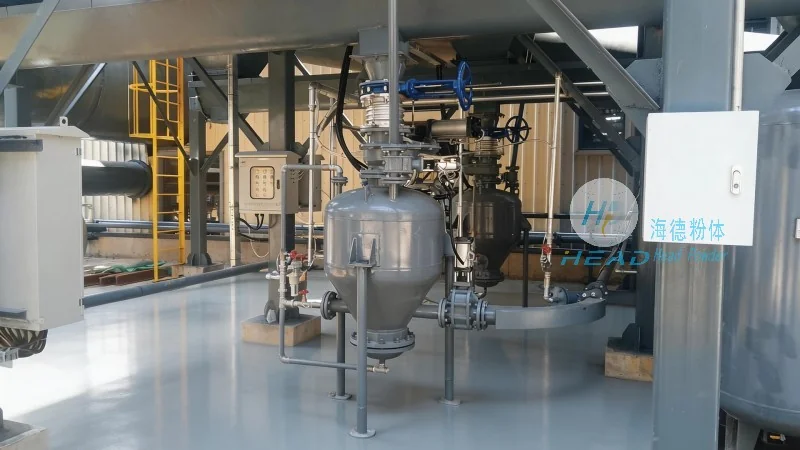
Copper sulfate pneumatic conveying is a sophisticated and efficient method for transporting bulk materials. By leveraging the principles of air movement, the system offers numerous benefits, including dust-free operation, high flexibility, and low maintenance. Shandong HeadPowder Engineering Co., Ltd., with its expertise in the field, provides advanced solutions tailored to the specific needs of industrial clients. The technology's adaptability and reliability make it a preferred choice for applications requiring consistent and safe material transport. As industries continue to seek more efficient and sustainable processes, copper sulfate pneumatic conveying remains a vital component in modern material handling systems.