

Working Principle and Features of Casting Dust Pneumatic Conveying System Equipment
For industrial applications involving the handling of casting dust, efficient and reliable material transport is crucial. The casting dust pneumatic conveying system, a specialized equipment solution, addresses these needs by providing a method to move bulk materials like casting dust through a pressurized or vacuum system. This article explores the working principle and key features of such systems, highlighting how they enhance operational efficiency and material handling capabilities in manufacturing environments, as offered by Shandong HeadPowder Engineering Co., Ltd.
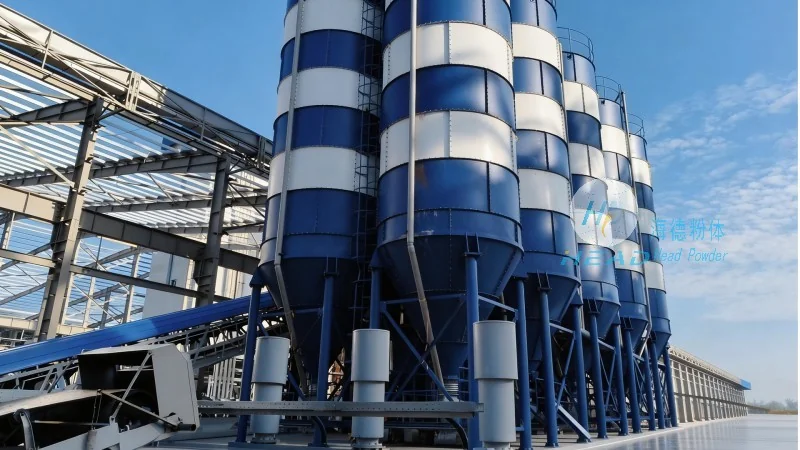
Introduction to Casting Dust Pneumatic Conveying Systems
The casting dust pneumatic conveying system is designed to transport fine particles, such as those generated during metal casting processes, from one location to another within a facility. Unlike traditional mechanical conveying methods, which rely on belts, screws, or buckets, pneumatic systems use air pressure or vacuum to move materials. This approach offers several advantages, including the ability to handle abrasive or dusty materials without wear and tear on mechanical components. The system typically consists of a hopper for material storage, a conveyor line, and a receiver for the delivered material, all connected by a network of pipes and valves.
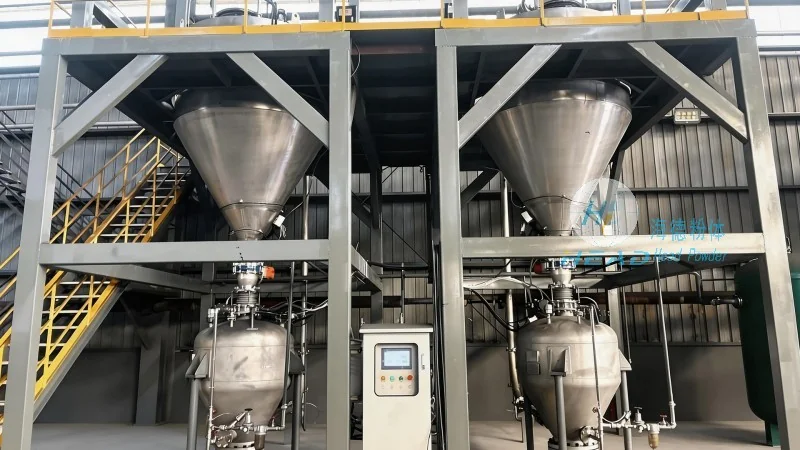
Working Principle of Casting Dust Pneumatic Conveying Systems
The core mechanism of a casting dust pneumatic conveying system involves the use of compressed air or vacuum to create a flow of material through the system. In a typical setup, casting dust is fed into a hopper equipped with a feed valve. When the system is activated, compressed air is introduced into the hopper, creating a pressure differential that lifts the dust particles and propels them through the pipeline. The air and material mixture travels through the conveyor line, which may include bends, expansions, or filters to maintain flow and prevent blockages. At the receiving end, the material is separated from the air, often through a cyclone or filter, and collected in a designated container. The exhaust air is then filtered to remove any residual dust before being released back into the environment. This process ensures that the material is transported safely and efficiently, minimizing dust emissions and maintaining a clean working environment.
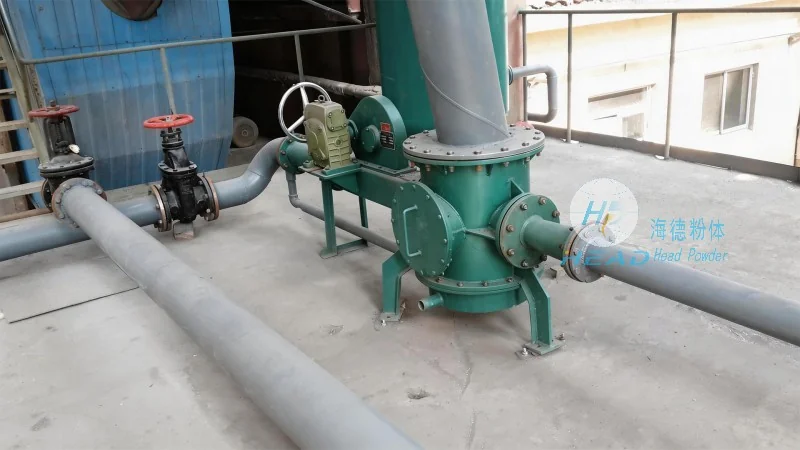
Key Features and Advantages of Casting Dust Pneumatic Conveying Equipment
Several key features distinguish casting dust pneumatic conveying systems from other material handling solutions. First, the system is highly flexible, allowing for the transport of materials over long distances and through complex layouts, including vertical and horizontal movements. This flexibility is particularly beneficial in manufacturing facilities where space is limited or where materials need to be moved between different production stages. Second, the equipment is designed for low maintenance, with components like air filters and check valves that require minimal upkeep. This reduces downtime and operational costs, making it a cost-effective solution for long-term use. Third, the system offers excellent dust control, as the enclosed pipeline and filtration systems prevent dust from escaping into the workplace. This not only improves air quality but also protects equipment and personnel from the harmful effects of dust exposure. Additionally, the system can handle a wide range of particle sizes and moisture content, making it suitable for various casting processes and materials. The ability to adjust air pressure and flow rates allows for precise control over the conveying speed, ensuring that the material is transported at an optimal rate without causing blockages or excessive wear.
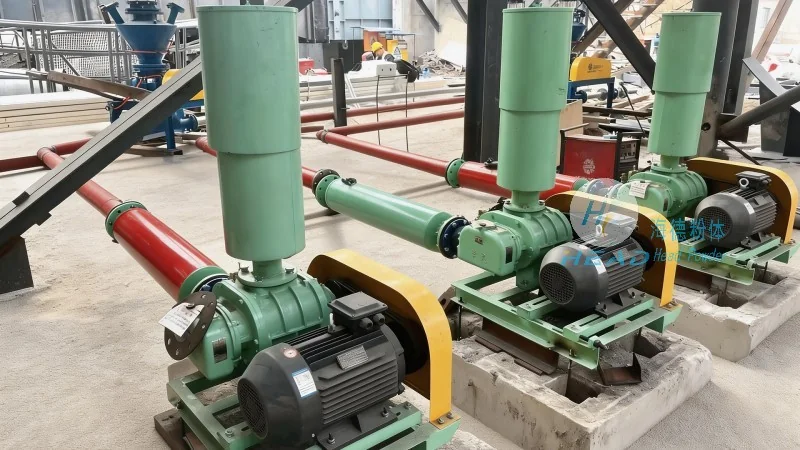
Applications and Operational Benefits
Casting dust pneumatic conveying systems are widely used in the foundry industry, where they play a critical role in managing the byproducts of metal casting. These systems are commonly employed to transport casting dust from the casting machine to a storage or recycling facility, ensuring that the material is handled safely and efficiently. By using a pneumatic system, foundries can reduce the need for manual handling of dust, which is both labor-intensive and hazardous. The systems also contribute to improved production efficiency by enabling the continuous flow of materials, reducing bottlenecks in the production line. Furthermore, the enclosed nature of the system minimizes the risk of dust contamination in other parts of the facility, maintaining product quality and preventing equipment damage. The operational benefits extend to cost savings as well, as the system reduces the need for additional equipment like dust collectors or vacuum cleaners, as the conveying process itself handles dust removal. Overall, the casting dust pneumatic conveying system provides a reliable and efficient solution for material handling in casting operations, enhancing both productivity and safety.