

Working Principle and Features of Lithium Hexafluorophosphate Pneumatic Conveying System Equipment
For professionals in the battery materials industry, the efficient and reliable handling of lithium hexafluorophosphate (LiPF₆) is a critical concern. This article provides an in-depth look at the working principle and key features of the pneumatic conveying system equipment designed for this application, highlighting how such systems enhance operational efficiency and safety in material processing.
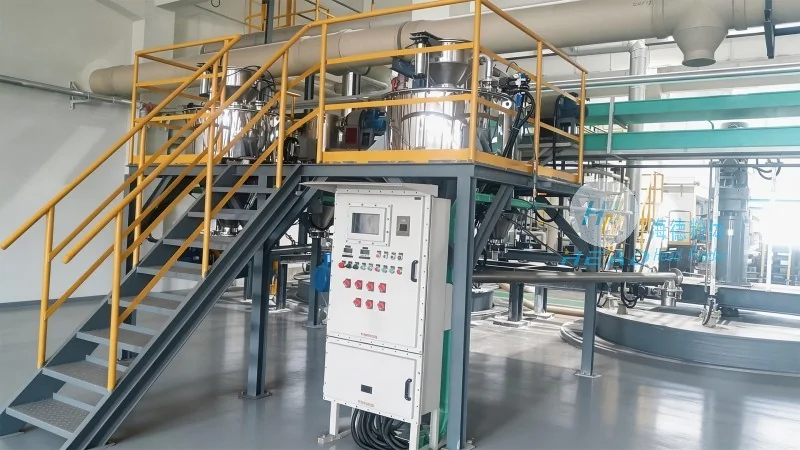
Introduction to Lithium Hexafluorophosphate Pneumatic Conveying Systems
Lithium hexafluorophosphate is a widely used electrolyte component in lithium-ion batteries, known for its high ionic conductivity and stability. However, due to its hygroscopic nature and potential health hazards, handling this material requires specialized equipment. Pneumatic conveying systems offer a solution by transporting the material in a closed, controlled environment, minimizing exposure risks and ensuring consistent material flow.
Working Principle of the Pneumatic Conveying System
The core of the pneumatic conveying system for lithium hexafluorophosphate involves the use of air or other gases to transport the material through a pipeline network. The system typically operates on the principle of creating a pressure differential between the inlet and outlet of the conveying line. In a typical setup, a blower or compressor generates the necessary airflow, which is directed into the material feed hopper. As air flows through the hopper, it lifts and propels the LiPF₆ particles into the pipeline. The system may employ either positive pressure (where air is forced into the system) or negative pressure (where air is drawn out), depending on the specific design and application requirements.
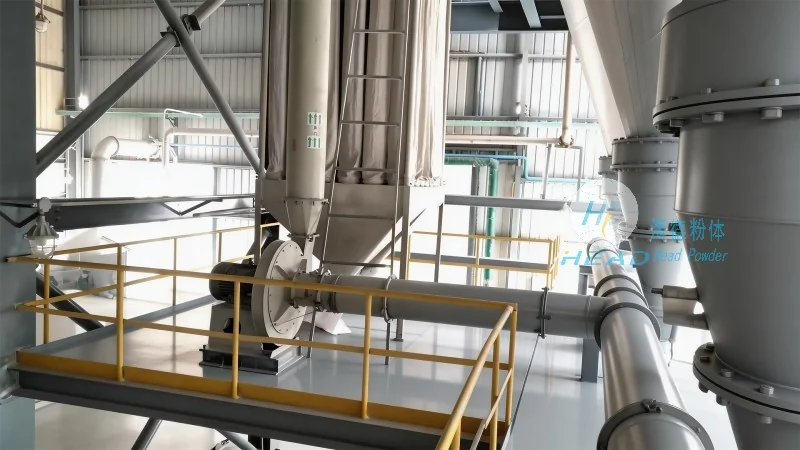
Key components of the system include the material feed hopper, which holds the LiPF₆ powder; the air inlet and outlet valves; the conveying pipeline, which may be made of corrosion-resistant materials such as stainless steel or PTFE to prevent material degradation and contamination; and the dust collection or filtration system at the discharge end. The filtration system is crucial for capturing any fine particles that may escape, ensuring environmental compliance and product purity.
Key Features and Advantages of the System
The pneumatic conveying system for lithium hexafluorophosphate offers several distinct advantages over traditional bulk handling methods. Firstly, it provides a fully enclosed and dust-free environment, significantly reducing the risk of exposure to hazardous materials and minimizing the potential for contamination. This is particularly important for LiPF₆, which can be harmful if inhaled or comes into contact with skin. Secondly, the system ensures consistent and controlled material flow, preventing clogging and ensuring uniform particle distribution. This consistency is vital for maintaining the quality of the final battery product.
Another key feature is the ability to handle fine powders efficiently. LiPF₆ is often processed as a fine powder, and the pneumatic conveying system is designed to handle such materials without causing agglomeration or loss of material. The system’s design also allows for easy integration with other processing equipment, such as mixing or drying units, creating a seamless material handling workflow. Additionally, the system is highly adaptable, with options for varying conveying distances and material volumes, making it suitable for different production scales.
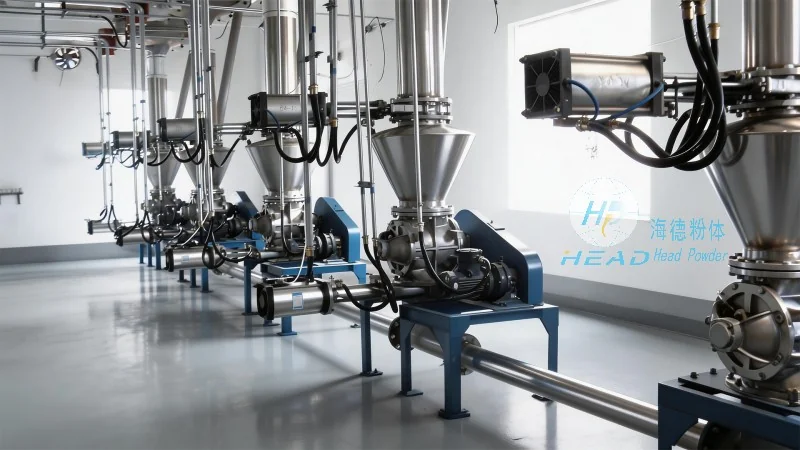
Company Overview: Shandong HeadPowder Engineering Co., Ltd.
HeadPowder, a leading manufacturer of specialized material handling equipment, specializes in providing tailored solutions for the battery materials industry. With a focus on innovation and customer satisfaction, the company has developed advanced pneumatic conveying systems that meet the stringent requirements of handling lithium hexafluorophosphate and other sensitive materials. HeadPowder’s systems are designed with safety, efficiency, and durability in mind, ensuring reliable performance in demanding industrial environments.
HeadPowder Engineering Co., Ltd. is headquartered in Shandong, China, and serves clients globally with high-quality equipment and technical support. The company’s commitment to research and development ensures that its products remain at the forefront of industry standards, helping customers optimize their material handling processes and improve overall productivity.