

Working Principle and Features of Cast Gray Powder Conveying Systems
Cast gray powder conveying systems are critical components in the casting industry, designed to efficiently transport gray cast iron powders from storage to processing equipment. These systems ensure consistent material flow, which is essential for maintaining quality and productivity in foundry operations. The technology behind these systems combines mechanical engineering principles with material handling expertise to address the unique challenges of handling gray cast iron powders, which are often abrasive and require precise control to prevent degradation or contamination.
About Shandong HeadPowder Engineering Co., Ltd.
HeadPowder, a leading manufacturer in the field, specializes in developing and supplying advanced conveying solutions tailored to the needs of the casting industry. With a focus on innovation and customer-centric design, the company has established itself as a trusted partner for foundries worldwide. HeadPowder's facilities are located in Shandong, China, where the company leverages local manufacturing expertise and a deep understanding of the regional industrial landscape to deliver high-quality products. The company's commitment to quality is reflected in its adherence to international standards and rigorous testing protocols, ensuring that every system meets the highest performance and reliability requirements.
Working Principle of Cast Gray Powder Conveying Systems
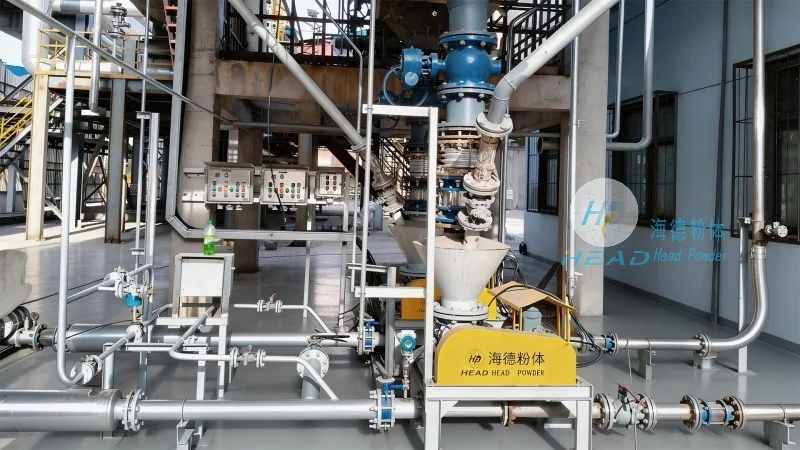
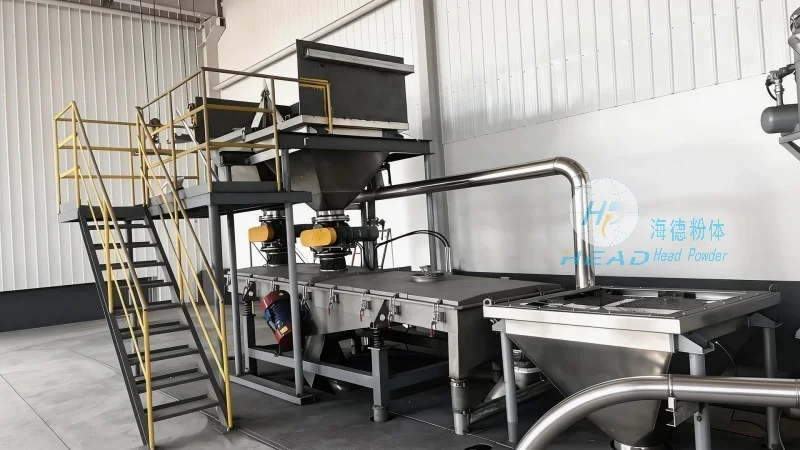
The core working principle of a cast gray powder conveying system involves several key components and processes. The system typically starts with a storage hopper or silo that holds the gray cast iron powder. From there, a conveyor mechanism, such as a screw conveyor or pneumatic pipeline, transports the material to the processing equipment. The screw conveyor uses rotating screws to push the powder forward, while pneumatic systems utilize compressed air to move the material through a sealed pipeline. In both cases, the system is designed to maintain a consistent flow rate, which is crucial for preventing material buildup or clogging. Additionally, the system incorporates control mechanisms, such as variable speed drives and pressure sensors, to adjust the flow rate based on real-time conditions, ensuring optimal performance under varying load conditions. The entire process is automated, allowing for seamless integration with existing foundry operations and minimizing the need for manual intervention.
Key Features of Cast Gray Powder Conveying Systems
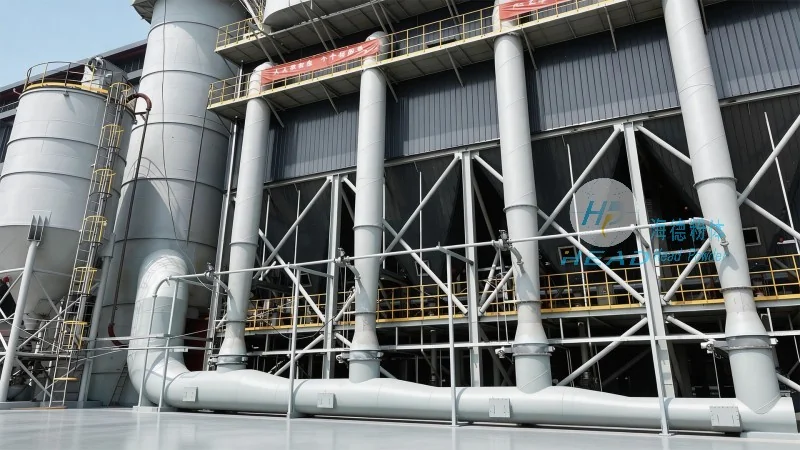
HeadPowder's cast gray powder conveying systems are distinguished by several key features that enhance their performance and reliability. One of the primary features is the use of high-quality, wear-resistant materials for the conveyor components, such as stainless steel or special alloys, which are designed to withstand the abrasive nature of gray cast iron powders. This reduces wear and tear, extending the system's lifespan and minimizing maintenance costs. Another important feature is the integration of dust control measures, including sealed conveyor systems and filtration units, to prevent dust emissions and maintain a clean working environment. The systems also feature adjustable flow control, allowing foundries to fine-tune the material flow rate to match specific processing requirements. Furthermore, the design incorporates safety features, such as emergency stop buttons and overload protection, to ensure operator safety and system reliability. The compact and modular design of the systems enables easy installation and integration into existing foundry layouts, reducing downtime and installation costs.
Benefits of Using Cast Gray Powder Conveying Systems
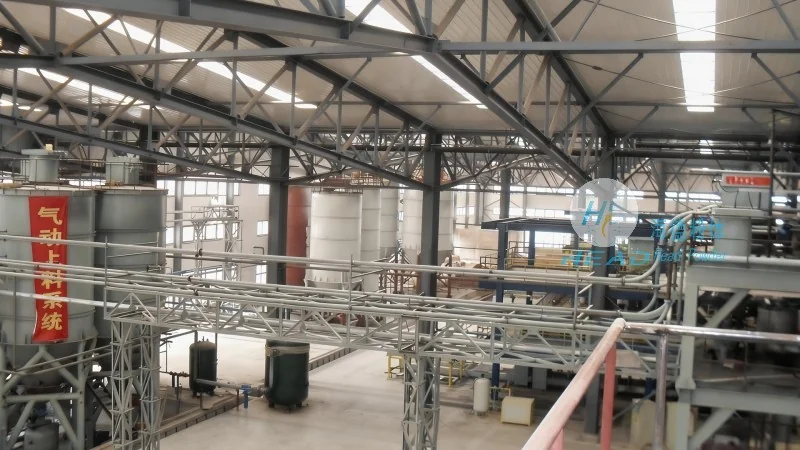
Implementing a cast gray powder conveying system offers numerous benefits for foundries, including improved material handling efficiency, enhanced product quality, and reduced operational costs. By ensuring consistent and controlled material flow, the system minimizes the risk of material degradation, which can affect the final casting quality. The automated control features also reduce the need for manual labor, improving safety and productivity. Additionally, the wear-resistant components and dust control measures contribute to lower maintenance expenses and a cleaner working environment. For foundries, these systems are a critical investment that supports long-term operational efficiency and competitiveness in the market.