

Working Principle and Features of Coal Gangue Powder Conveying Systems
Coal gangue, a byproduct of coal mining and processing, presents unique handling challenges due to its fine particle size, abrasive nature, and potential moisture content. The coal gangue powder conveying system developed by Shandong HeadPowder Engineering Co., Ltd. addresses these challenges through an innovative design that ensures efficient, reliable, and low-maintenance transport of the material. This article examines the system's working principle and key features, highlighting its practical applications and technical advantages in industrial settings.
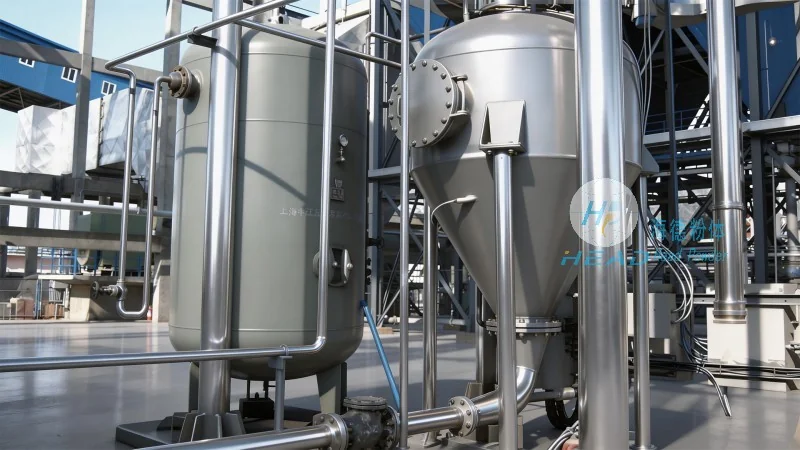
Overview of the Coal Gangue Powder Conveying System
Shandong HeadPowder Engineering Co., Ltd. specializes in advanced material handling solutions, particularly for challenging powders like coal gangue. The system is engineered to withstand the abrasive properties of coal gangue while maximizing conveying efficiency. It integrates durable components and smart control mechanisms to deliver consistent performance in industrial environments where material transport is critical. The system's modular design allows for easy integration into existing infrastructure, making it a versatile solution for various client needs.
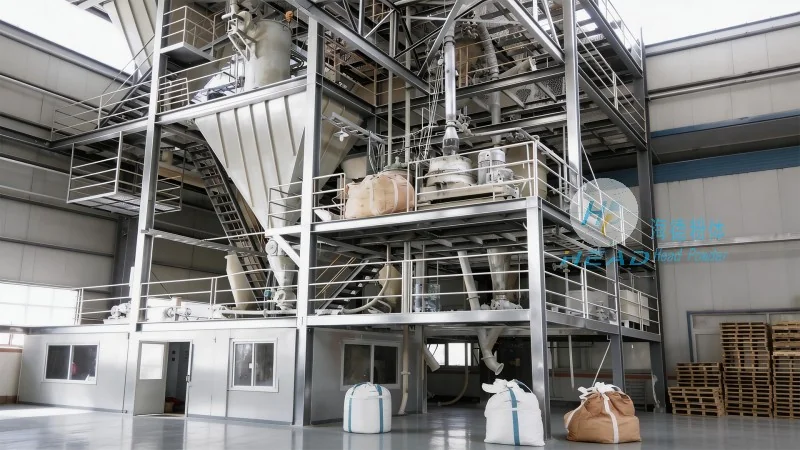
Working Principle of the Coal Gangue Powder Conveying System
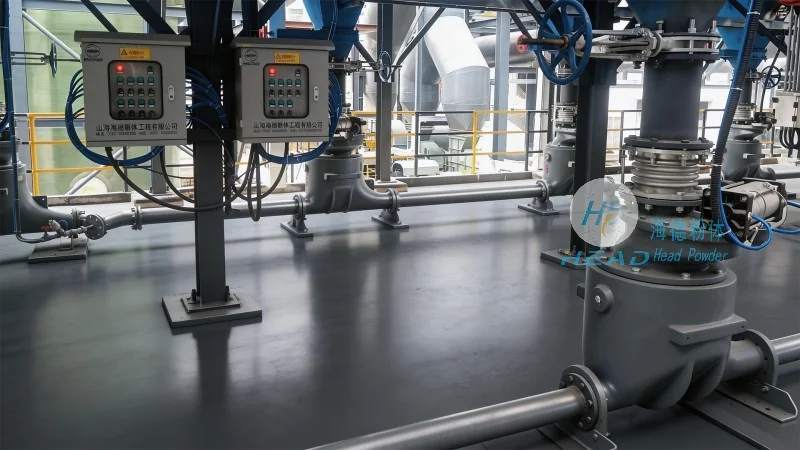
The core of the coal gangue powder conveying system involves a coordinated sequence of components working together to move material through the pipeline. The process begins with an accurate feeding mechanism that meters the coal gangue powder into the system. This is followed by high-efficiency blowers or pumps that generate the necessary pressure and airflow to propel the material. The conveying line, constructed from wear-resistant materials such as stainless steel or specialized alloys, minimizes damage from abrasive particles. A real-time control panel monitors and adjusts parameters like pressure and flow rate, preventing system overload or blockages. The system also incorporates filtration and cleaning features to maintain air quality and prevent dust accumulation.
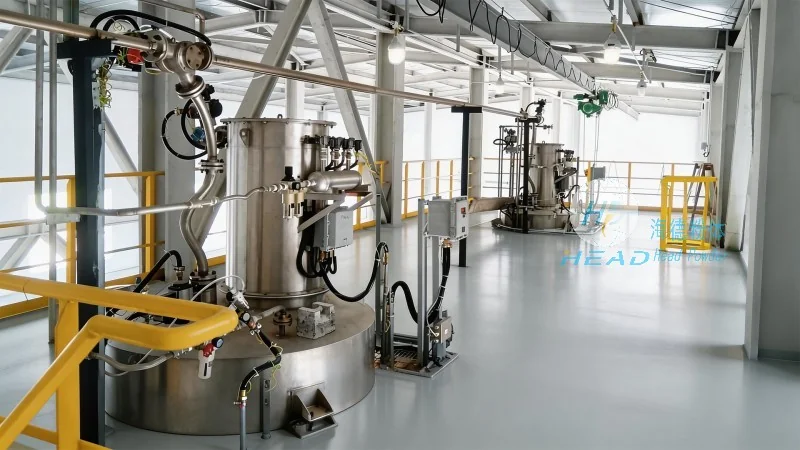
Key Features of the Coal Gangue Powder Conveying System
One of the system's primary features is its high conveying capacity, which efficiently handles large volumes of coal gangue with minimal energy consumption. The design emphasizes low maintenance through replaceable wear parts, extending equipment lifespan. Additionally, the system is customizable to accommodate varying particle sizes, moisture levels, or conveying distances. Its modular structure allows for easy upgrades or adjustments to meet evolving operational requirements. The system also ensures material integrity by preventing agglomeration or degradation during transport, which is vital for downstream processing applications.
Application and Performance Benefits
The coal gangue powder conveying system is widely used in coal processing plants, power generation facilities, and recycling operations where coal gangue needs to be transported from storage to processing units. The system's reliability reduces downtime and maintenance costs, while its energy-efficient design lowers operational expenses. The consistent performance maintains the quality of coal gangue, ensuring optimal results in subsequent processing steps. Furthermore, the system's ability to handle abrasive materials without significant wear makes it a cost-effective solution for industries dealing with challenging powders.
Conclusion
Shandong HeadPowder Engineering Co., Ltd. has engineered a comprehensive coal gangue powder conveying system that combines advanced technology with robust engineering. The system's working principle—featuring precise feeding, efficient air movement, and durable components—ensures reliable transport of coal gangue. Its key features, including high capacity, low maintenance, and customizable design, make it an ideal solution for industrial applications. By addressing the unique challenges of handling coal gangue, this system enhances operational efficiency, reduces costs, and promotes safer, more sustainable material handling practices in the industry.