

Working Principle and Features of Dry Soybean Powder Conveying Equipment
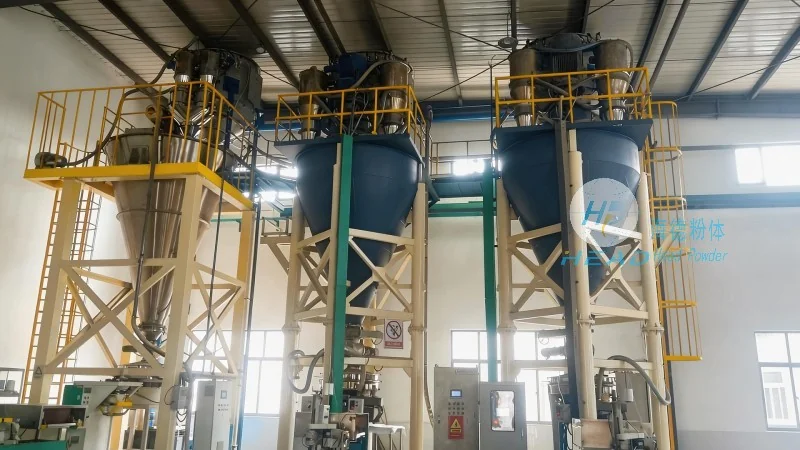
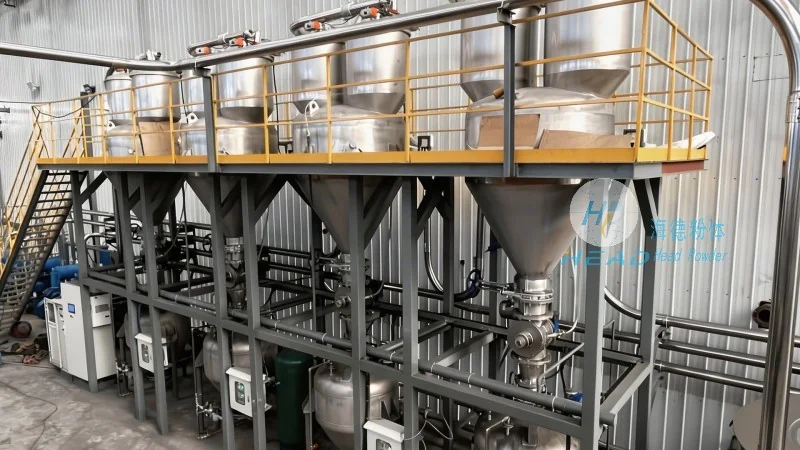
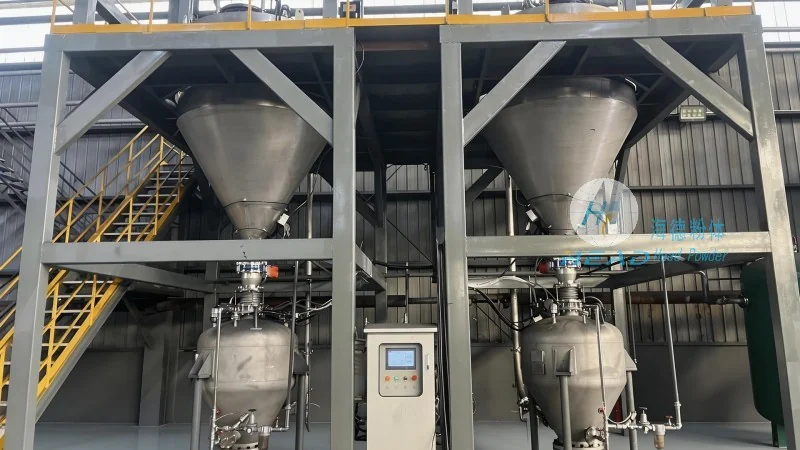
The dry soybean powder conveying equipment is a specialized device engineered to efficiently transport soybean powder from one location to another within industrial processing facilities. At the core of its operation lies a systematic approach that combines mechanical components and operational mechanisms to ensure reliable and consistent material movement. The equipment typically consists of several key parts, including an inlet hopper for receiving the soybean powder, a driving mechanism such as a motor-driven screw or a pneumatic system, and a series of ducts or pipes that form the main conveying path. The working principle revolves around the transfer of material through these components under controlled conditions. When the system is activated, the soybean powder is drawn into the inlet and then propelled forward by the driving mechanism. This can involve the rotation of a screw that pushes the powder along the tube or the generation of air pressure that propels the material through the ducts. The design ensures that the powder moves without significant segregation or degradation, maintaining the integrity of the soybean particles throughout the process. The entire operation is regulated by control systems that monitor flow rates, pressure, and other parameters to optimize performance and prevent issues like blockages or overloading.
Key Features of the Dry Soybean Powder Conveying Equipment
Shandong HeadPowder Engineering Co., Ltd. has developed this equipment with a focus on several critical features that enhance its utility in soybean processing applications. One of the primary advantages is its high efficiency in handling dry soybean powder, which is crucial for maintaining the quality of the product. The equipment is designed to minimize material loss and contamination, ensuring that the soybean powder remains in its original state during transport. This is achieved through smooth internal surfaces and appropriate material selection for the conveying components, which reduces friction and prevents particle degradation. Another notable feature is the adaptability of the system to different processing requirements. It can be configured to handle varying particle sizes and moisture contents, making it suitable for diverse stages of soybean processing, from raw material handling to intermediate product transport. The equipment also emphasizes safety and ease of maintenance. Its modular design allows for quick access to internal parts for cleaning or repair, which is essential for maintaining hygiene standards in food processing environments. Additionally, the control systems are user-friendly, enabling operators to adjust settings easily and monitor the operation in real-time. These features collectively contribute to the equipment's reliability and cost-effectiveness, making it a preferred choice for industries that require consistent and efficient handling of dry soybean powder.
Application and Performance in Soybean Processing
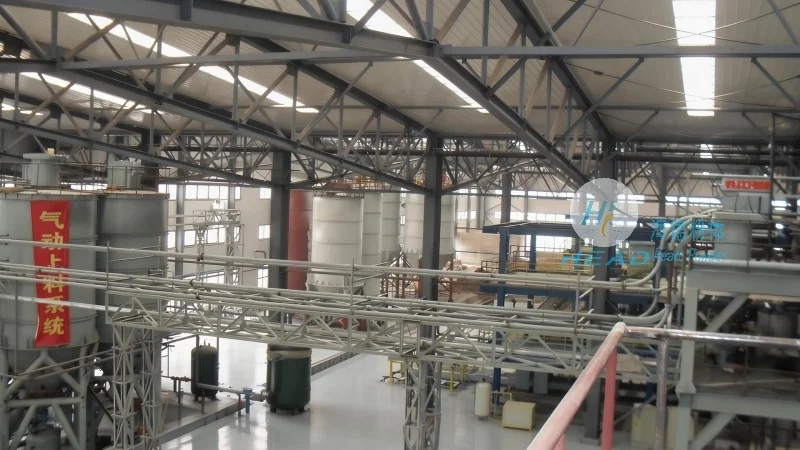
The dry soybean powder conveying equipment is widely used in the soybean processing industry, particularly in facilities that involve the handling of soybean meal, soy flour, and other powdered soybean products. Its performance is characterized by consistent flow rates and minimal downtime, which are vital for maintaining production schedules. The equipment's ability to handle large volumes of material without compromising quality makes it an integral part of the processing line. For instance, in soybean oil extraction plants, the equipment efficiently transports the soybean powder from the grinding and drying stages to the next processing step, ensuring a smooth workflow. The design also considers energy efficiency, with optimized motor and air flow systems that reduce operational costs over time. Shandong HeadPowder Engineering Co., Ltd. has tailored these features to meet the specific needs of soybean processing, ensuring that the equipment not only performs well but also aligns with industry standards and regulatory requirements. The result is a reliable solution that enhances productivity while maintaining the quality of the final product.