

Working Principle and Features of Tank Truck Material Handling Systems
For industrial operations that rely on the efficient transportation and handling of bulk materials, tank truck material handling systems offer a robust and reliable solution. These systems are engineered to streamline the process of loading, transporting, and unloading materials from tank trucks, ensuring optimal performance and safety in various industrial settings. The following overview delves into the working principle and key features of such systems, highlighting their importance in modern material handling.
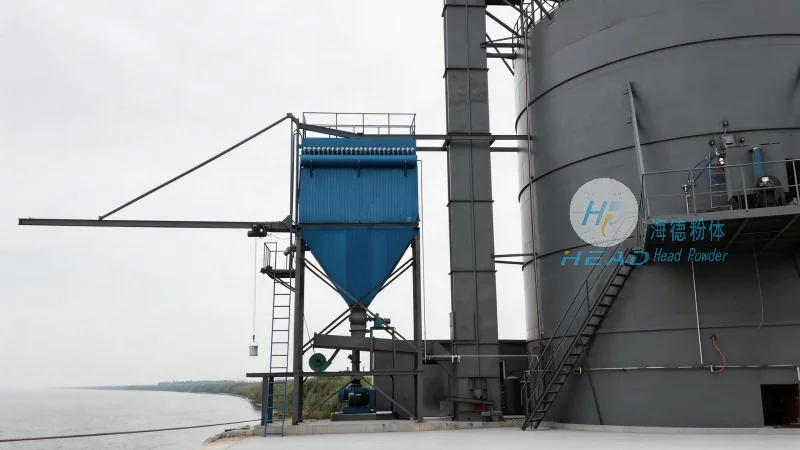
Company Introduction: Shandong HeadPowder Engineering Co., Ltd.
At Shandong HeadPowder Engineering Co., Ltd., we specialize in the design, manufacturing, and integration of advanced material handling solutions tailored to the needs of diverse industries. With our headquarters located in Shandong, China, our team of experts leverages decades of experience to develop systems that enhance operational efficiency, reduce downtime, and ensure compliance with industry standards. Our commitment to quality and innovation has made us a trusted partner for businesses seeking reliable tank truck material handling systems.
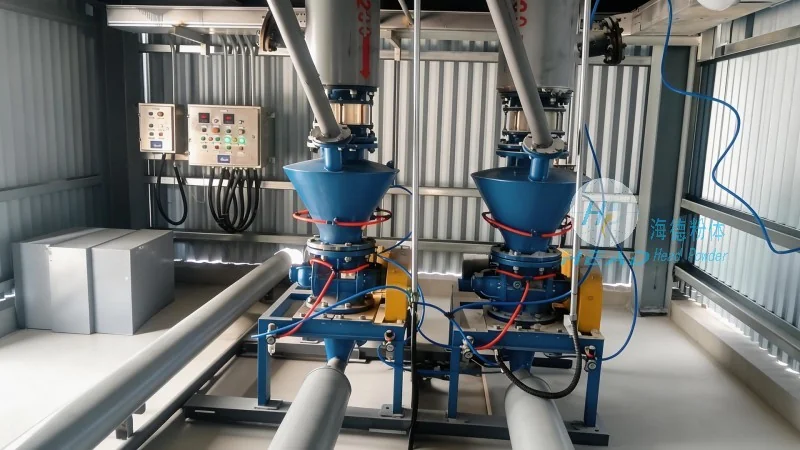
The Working Principle of Tank Truck Material Handling Systems
Tank truck material handling systems operate on a systematic approach to material transfer, combining mechanical components and control mechanisms to facilitate seamless movement of bulk materials. The process typically begins with the positioning of the tank truck at the loading or unloading station, where the system's components are activated to initiate the transfer. Key components include pumps, valves, hoses, and control panels, all working in concert to regulate the flow of material. The system may utilize gravity, pressure, or vacuum to move materials, depending on the specific application and material properties. For example, in liquid or slurry handling, pumps are used to transfer the material from the truck to a storage tank or processing unit. The control panel allows operators to monitor and adjust parameters such as flow rate, pressure, and direction, ensuring precise control over the material handling process. This integrated approach minimizes human error and maximizes operational consistency, making it suitable for high-volume industrial operations.
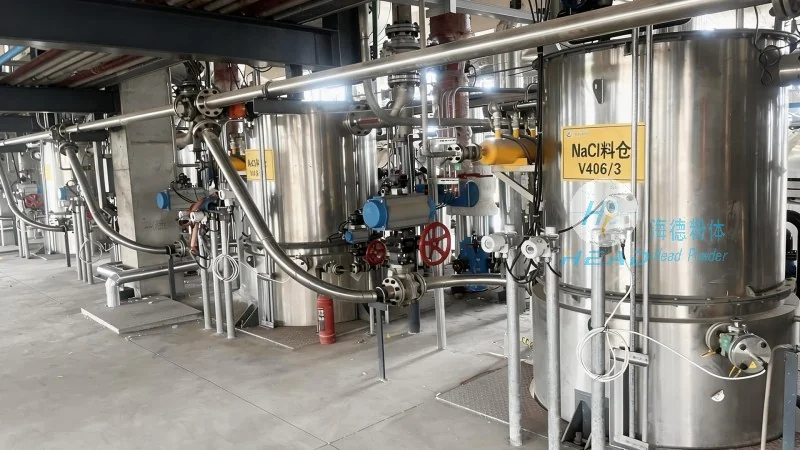
Key Features of Tank Truck Material Handling Systems
Modern tank truck material handling systems are characterized by several key features that enhance their functionality and adaptability. One of the primary features is the ability to handle a wide range of materials, including liquids, powders, and slurries, with minimal adjustments to the system. This versatility makes them suitable for various industries, such as chemical, food processing, and pharmaceuticals. Another critical feature is the integration of safety mechanisms, such as pressure relief valves, emergency shut-off systems, and overload protection, which ensure the system operates within safe parameters and prevents accidents. The systems also incorporate advanced control technologies, including programmable logic controllers (PLCs) and user-friendly interfaces, allowing for automated operation and easy monitoring. Additionally, the design of these systems prioritizes durability and low maintenance, with robust materials and components that withstand harsh industrial environments. This combination of features ensures that tank truck material handling systems are not only efficient but also reliable and cost-effective in the long run.
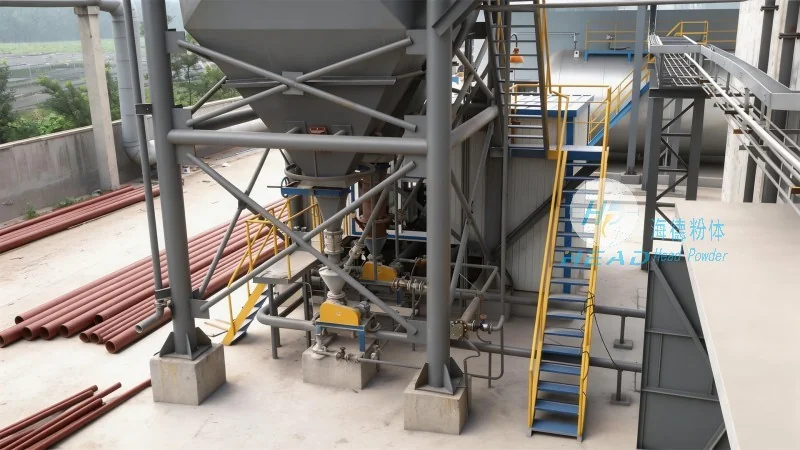
Applications and Benefits in Industrial Settings
Tank truck material handling systems find extensive applications across various industries, where the efficient transfer of bulk materials is essential for operational continuity. In the chemical industry, these systems are used to transport chemicals from tank trucks to processing plants, ensuring a continuous supply of raw materials. In the food and beverage industry, they facilitate the handling of liquids and powders, such as milk, juice, and flour, maintaining hygiene and product quality. The pharmaceutical industry also relies on these systems for the safe and sterile transfer of active ingredients and finished products. The benefits of using tank truck material handling systems include increased productivity, reduced labor costs, improved safety, and enhanced product quality. By automating the material handling process, businesses can minimize human intervention, reduce the risk of spills or contamination, and achieve higher throughput. Furthermore, the systems are designed to be flexible, allowing for easy integration with existing infrastructure and future expansion as operational needs evolve.