

Working Principle and Features of Negative Pressure Vacuum Material Conveying Lines
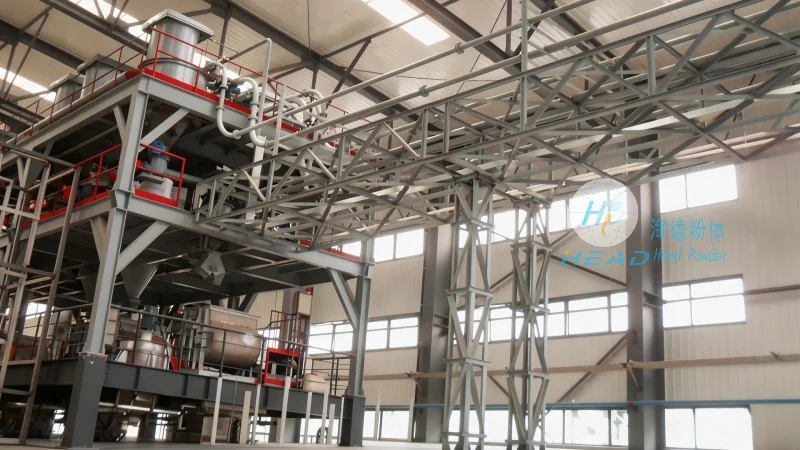
Understanding the working principle and features of negative pressure vacuum material conveying lines is crucial for industries seeking efficient and reliable material handling solutions. These systems are designed to transport bulk materials over long distances with minimal maintenance and energy consumption.
Introduction to Negative Pressure Vacuum Material Conveying Lines
Negative pressure vacuum material conveying lines, also known as vacuum pneumatic conveying systems, are advanced industrial equipment used to transport dry bulk materials from one location to another. Unlike positive pressure systems that push material through a pipeline, negative pressure systems create a vacuum to draw material into the system. This approach offers several advantages, including reduced product contamination, lower operating costs, and enhanced safety in handling sensitive or hazardous materials.
The Working Principle of Negative Pressure Vacuum Material Conveying Lines
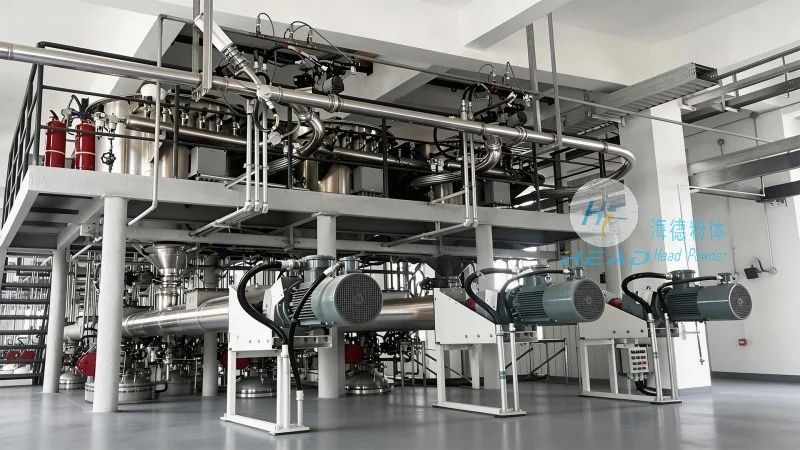
The core mechanism of negative pressure vacuum material conveying lines involves the creation of a pressure differential between the material source and the destination. The system operates by drawing air and material particles from the source into a vacuum pump, which then transports them through a pipeline to the discharge point. The key components include a vacuum pump, a material feed hopper, a filter system, and a discharge valve. The process begins when the vacuum pump starts, creating a low-pressure environment in the pipeline. Material is then drawn into the system through the feed hopper, where it is mixed with air and transported to the receiving container. The filter system ensures that fine particles are captured and returned to the feed hopper, preventing contamination and maintaining system efficiency.
Key Features and Advantages of Negative Pressure Vacuum Material Conveying Lines
Several distinct features make negative pressure vacuum material conveying lines an ideal choice for various industrial applications. One of the primary advantages is the ability to handle a wide range of materials, from fine powders to granules and even bulk solids. The system's flexibility allows for customization to suit specific material characteristics and process requirements. Another significant feature is the low energy consumption, as the vacuum pump operates at lower pressures compared to positive pressure systems, resulting in reduced operational costs over time. Additionally, the system minimizes product degradation and contamination, which is critical for materials sensitive to moisture or air exposure. The design also incorporates safety features, such as automatic shut-off in case of blockages or overpressure, ensuring safe and reliable operation. Maintenance requirements are relatively low due to the simple design and fewer moving parts compared to other conveying systems.
Applications and Industries Benefiting from Negative Pressure Vacuum Material Conveying Lines
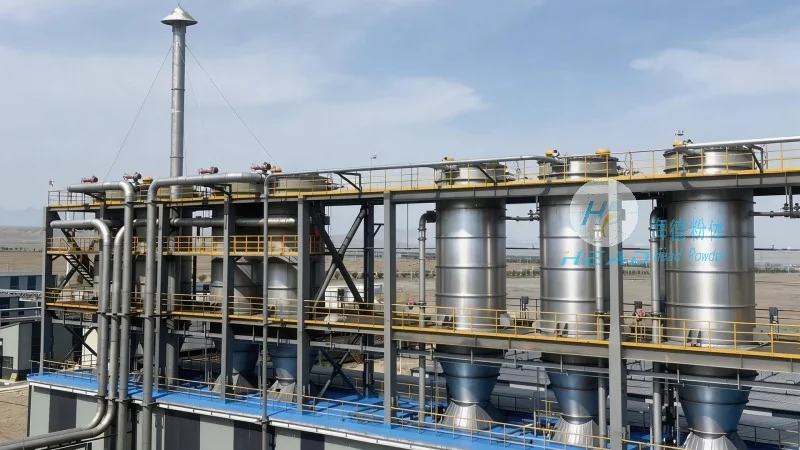
Negative pressure vacuum material conveying lines are widely used across multiple industries, including pharmaceuticals, food processing, chemical manufacturing, and mining. In the pharmaceutical industry, these systems are essential for transporting active pharmaceutical ingredients (APIs) and other sensitive powders, ensuring product purity and compliance with regulatory standards. The food industry utilizes them for handling dry ingredients like flour, sugar, and spices, maintaining hygiene and preventing cross-contamination. Chemical manufacturers benefit from the system's ability to handle hazardous materials safely, with the vacuum design minimizing exposure risks. In mining operations, negative pressure systems are used to transport minerals and ores from processing plants to storage facilities, improving efficiency and reducing labor costs.
Customization and Integration with Existing Systems
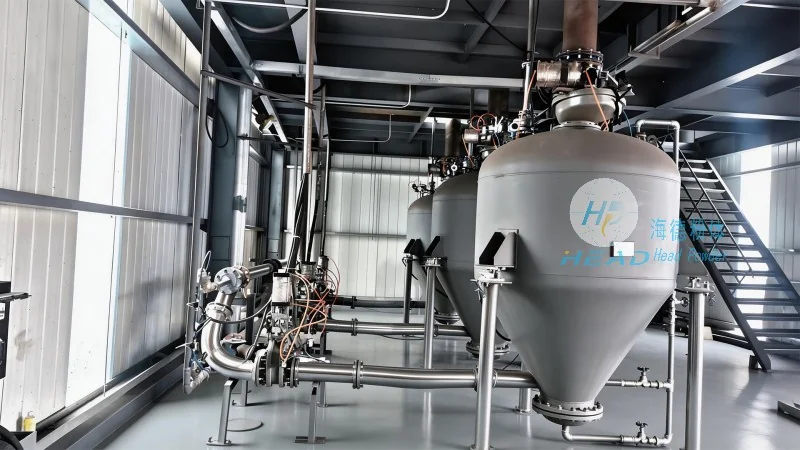
Shandong HeadPowder Engineering Co., Ltd. specializes in designing and manufacturing customized negative pressure vacuum material conveying lines tailored to the specific needs of each client. The company's expertise lies in integrating these systems with existing production lines, ensuring seamless operation and minimal disruption to current processes. Customization options include varying pipeline lengths, material feed capacities, and discharge configurations to meet unique operational requirements. The engineering team at HeadPowder works closely with clients to assess their material handling challenges and develop solutions that optimize efficiency and reduce costs. This collaborative approach ensures that the final system not only meets but exceeds industry standards for performance and reliability.
Conclusion and Company Overview
Negative pressure vacuum material conveying lines represent a sophisticated solution for efficient bulk material transport, offering significant advantages in terms of cost-effectiveness, safety, and product quality. The working principle, which relies on vacuum technology to draw materials through a pipeline, combined with key features such as low energy consumption and minimal contamination, makes these systems a preferred choice for industries requiring reliable material handling. Shandong HeadPowder Engineering Co., Ltd., based in China, is a leading provider of such systems, committed to delivering high-quality, customized solutions that enhance operational efficiency and support long-term business success. With a focus on innovation and client satisfaction, HeadPowder continues to set new standards in the material handling industry.