

Principle and Working Scene Characteristics of Fully Automatic Powder Conveying Machines
HeadPowder, a leading enterprise in the powder handling industry, specializes in the design, manufacturing, and supply of advanced fully automatic powder conveying systems. Based in Shandong, China, the company has established itself as a trusted partner for businesses seeking efficient and reliable solutions for powder transportation across various industrial applications.
Understanding the Core Principle of Fully Automatic Powder Conveying Machines
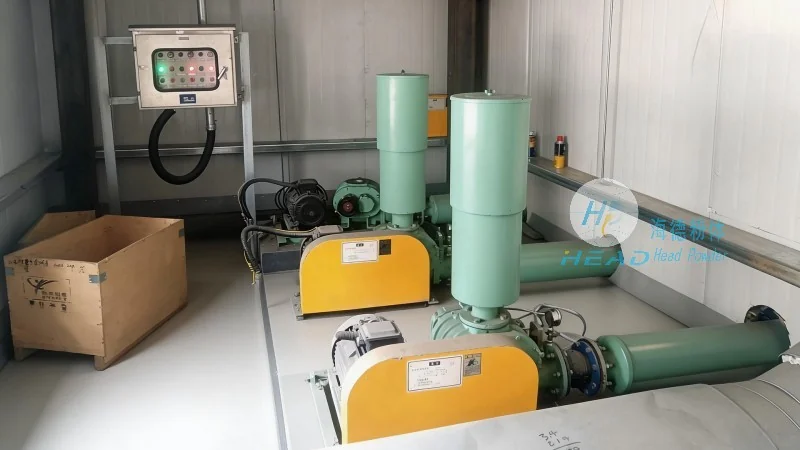
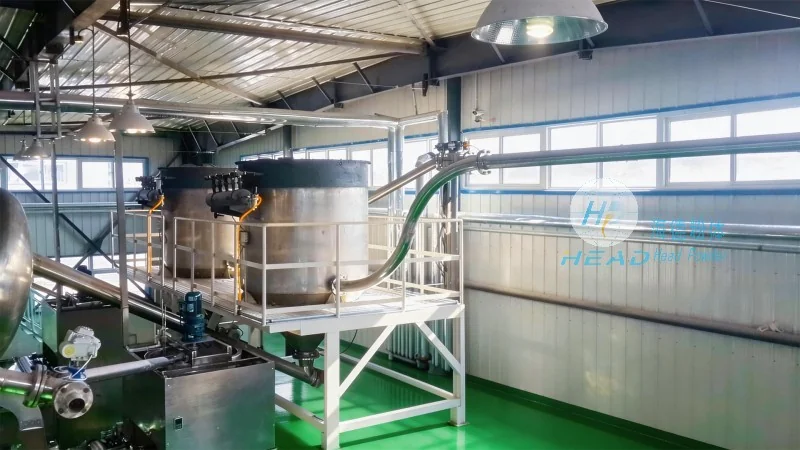
The fully automatic powder conveying machine operates on a sophisticated principle that integrates multiple components to ensure seamless and continuous powder transfer. At its heart, the system combines advanced control technology with robust mechanical structures to achieve high-efficiency performance. The core mechanism involves the use of specialized conveying elements such as screw conveyors, pneumatic systems, or combination methods, depending on the specific material characteristics and application requirements. These elements work in tandem with automated control units that monitor and adjust the conveying process in real-time, ensuring optimal flow rates and preventing issues like blockages or material degradation. The integration of sensors and feedback loops further enhances the system's adaptability, allowing it to respond dynamically to changes in powder properties or operational conditions. This intelligent design not only maximizes throughput but also minimizes downtime, making it an ideal solution for high-demand industrial environments.
Key Working Scene Characteristics of Fully Automatic Powder Conveying Systems
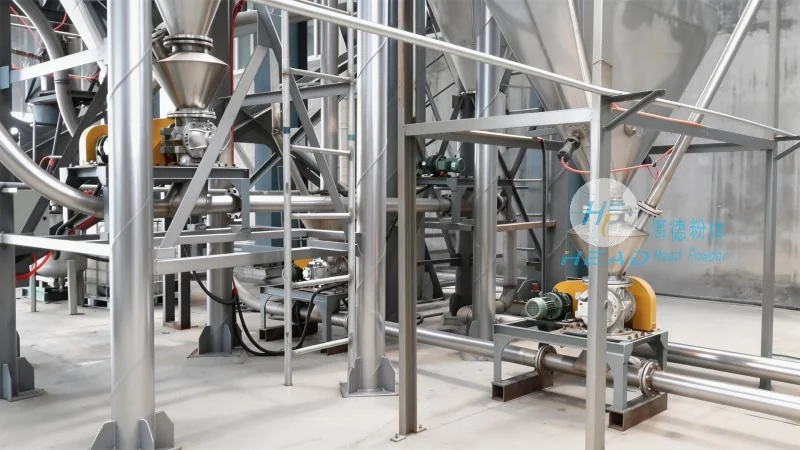
When deployed in real-world industrial settings, fully automatic powder conveying machines exhibit several distinct characteristics that make them indispensable for modern operations. Firstly, their adaptability to diverse powder types is a standout feature. Whether handling fine powders like cement or bulk materials such as flour, these systems are engineered to accommodate a wide range of particle sizes, densities, and flow properties. This versatility allows manufacturers to use a single system for multiple production lines, reducing equipment inventory and operational complexity. Secondly, the systems are designed for high reliability and minimal maintenance. Advanced materials and precision manufacturing ensure long service life, while automated diagnostics and predictive maintenance features help identify potential issues before they escalate into costly breakdowns. This reliability is crucial in industries where production interruptions can lead to significant financial losses. Thirdly, energy efficiency is a key consideration in modern industrial operations, and fully automatic powder conveyors are optimized to minimize energy consumption without compromising performance. Through intelligent control algorithms and energy-saving components, these systems achieve a balance between operational efficiency and sustainability, aligning with global environmental standards. Finally, the systems are built with safety as a priority. Integrated safety features, including emergency stop mechanisms and overload protection, ensure that operators and equipment remain secure during operation. This focus on safety enhances workplace compliance and reduces the risk of accidents, contributing to a more secure working environment.
Application Scenarios and Operational Benefits
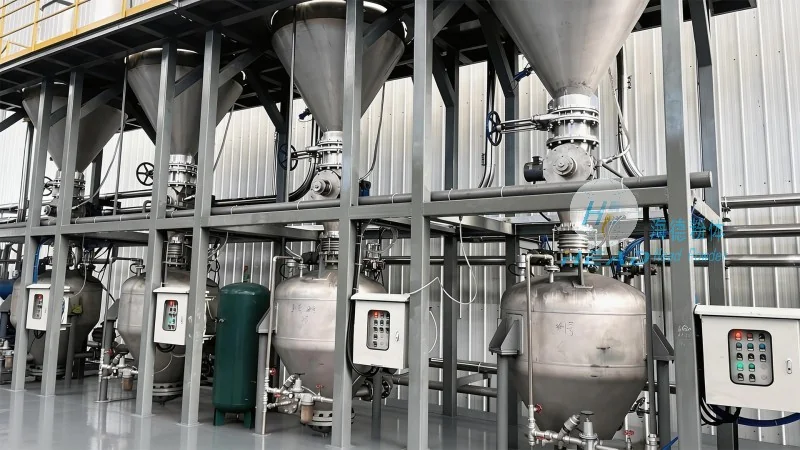
HeadPowder's fully automatic powder conveying machines are widely used across various sectors, including pharmaceuticals, food processing, chemical manufacturing, and construction materials. In pharmaceutical production, for instance, the systems are employed to transport active pharmaceutical ingredients (APIs) and excipients with strict purity requirements, ensuring that the conveying process does not introduce contaminants or degrade the product quality. The precision and cleanliness of these machines are critical in maintaining compliance with regulatory standards such as GMP (Good Manufacturing Practice). In the food industry, the systems handle ingredients like sugar, flour, and spices, where hygiene and product integrity are paramount. The fully automatic nature of the equipment reduces human intervention, minimizing the risk of cross-contamination and ensuring consistent product quality. In chemical manufacturing, the conveyors are used to transport bulk chemicals and powders, where handling hazardous materials requires robust and reliable systems. The advanced control and monitoring capabilities of these machines help manage the risks associated with chemical handling, ensuring safe and efficient operations. In the construction materials sector, the systems are utilized for transporting cement, sand, and other bulk materials, supporting high-volume production in concrete mixing plants and other construction-related facilities. The ability to handle large volumes and maintain consistent flow rates makes these systems essential for meeting production targets and maintaining project timelines.