

Principle and Working Scene Characteristics of Pearl Luster Sand Pneumatic Conveying
Understanding the principles and operational characteristics of pearl luster sand pneumatic conveying is crucial for industries that rely on efficient material handling solutions. This article explores the fundamental mechanisms behind this technology and highlights the specific working scenarios where it excels, providing insights into its practical applications and benefits. The information is presented by Shandong HeadPowder Engineering Co., Ltd., a leading provider of material handling solutions based in Shandong, China, with the brand name headpowder.
Principle of Pearl Luster Sand Pneumatic Conveying
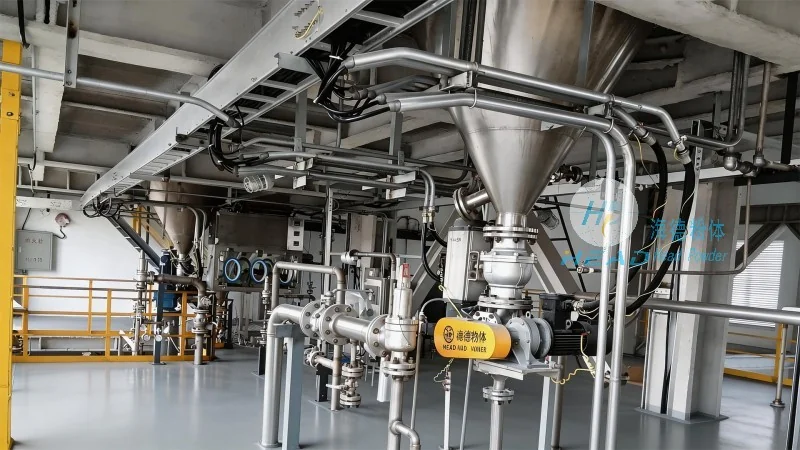
Pneumatic conveying, as the name suggests, involves the transportation of bulk materials through a pipeline using air or gas as the conveying medium. In the case of pearl luster sand, which is a type of fine, reflective powder often used in coatings, plastics, and cosmetics, the process leverages the principles of fluid dynamics to move the material from a source to a destination. The core mechanism relies on creating a pressure differential within the system. Typically, a blower or compressor generates the necessary airflow, which then draws the sand particles into the pipeline. The sand is suspended in the air stream, allowing it to travel through the system without direct contact with the pipeline walls. This method is particularly effective for handling fine powders like pearl luster sand, as it minimizes product degradation and prevents clogging that can occur with mechanical conveyors.
Key Components and Operational Mechanics
The successful execution of pearl luster sand pneumatic conveying depends on several critical components working in harmony. These include the air source (such as a positive displacement blower or rotary lobe pump), the conveying line (usually made of stainless steel or other corrosion-resistant materials to accommodate the sand's chemical properties), and the control system that regulates airflow and pressure. The process begins with the sand being fed into the inlet of the system, where it is mixed with the air stream. As the air flows through the pipeline, the sand particles are carried along, maintaining a consistent velocity that prevents settling or deposition. The system may also incorporate features like cyclones or filters to separate the sand from the air at the discharge point, ensuring that the material is collected efficiently and the air is cleaned before release. This integrated approach ensures that the conveying process is both effective and environmentally responsible.
Working Scene Characteristics and Applications
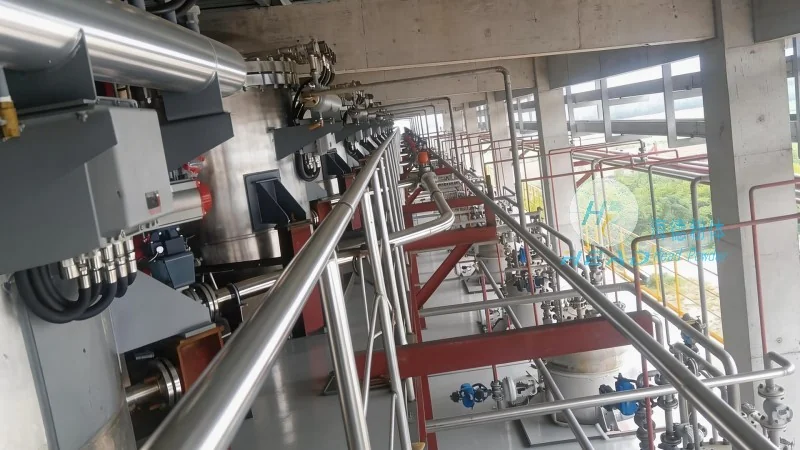
Pearl luster sand pneumatic conveying is widely employed in various industrial settings where the handling of fine, reflective powders is essential. One prominent application is in the coatings industry, where the sand is used to add a shimmering effect to paints and varnishes. The ability to transport the sand in a controlled manner without agglomerating or losing its luster is vital for maintaining product quality. Another key application is in the plastics manufacturing sector, where the sand is incorporated into polymer blends to enhance the appearance and texture of finished products. In these scenarios, the pneumatic system allows for precise dosing and mixing, ensuring that the sand is evenly distributed throughout the material. Additionally, the technology is utilized in the cosmetics industry for producing glitter-based products, where the consistent quality of the sand is critical to the final product's aesthetic appeal.
Advantages in Specific Operational Environments
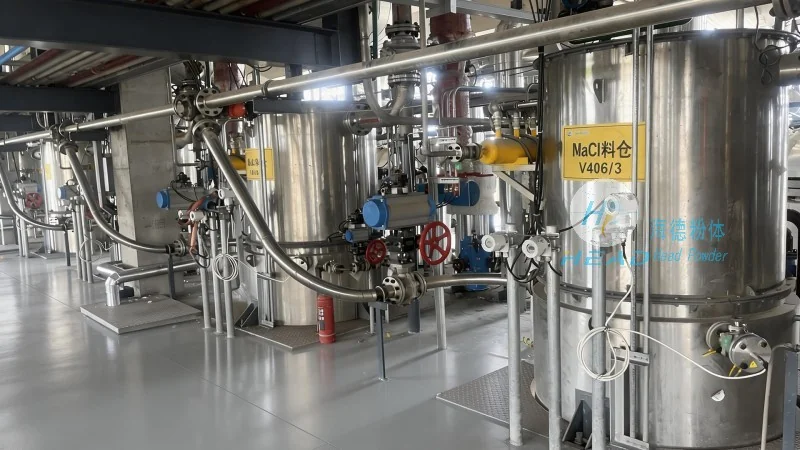
The characteristics of pearl luster sand pneumatic conveying make it particularly suitable for environments where hygiene, cleanliness, and product integrity are paramount. Unlike mechanical systems that may generate friction and heat, which can affect the sand's reflective properties, pneumatic conveying maintains a cool and controlled environment. This is especially important for applications involving food-grade or cosmetic-grade materials, where contamination risks must be minimized. Furthermore, the system's ability to handle fine particles without clogging or blockages is advantageous in high-volume production settings. The flexibility of the pneumatic system also allows for easy integration into existing production lines, reducing downtime and increasing overall operational efficiency. Companies like Shandong HeadPowder Engineering Co., Ltd., a leading provider in this field, specialize in designing and implementing such systems tailored to the specific needs of their clients, ensuring optimal performance and reliability in diverse working scenarios.
Conclusion and Practical Implications
In summary, pearl luster sand pneumatic conveying is a sophisticated and efficient method for handling fine, reflective powders. By leveraging the principles of fluid dynamics and utilizing specialized components, this technology enables industries to transport materials with minimal degradation and maximum control. The working scene characteristics, including its applications in coatings, plastics, and cosmetics, highlight its versatility and importance in modern manufacturing. As a result, understanding and implementing this technology can provide significant benefits, including improved product quality, reduced operational costs, and enhanced safety in the workplace. For businesses seeking reliable material handling solutions, pneumatic conveying remains a top choice, especially when dealing with delicate materials like pearl luster sand.