

Principles and Application Scenarios of Pyrolytic Carbon Pneumatic Conveying
Pyrolytic carbon, a material with unique physical and chemical properties, often requires specialized handling methods for efficient transportation. Pneumatic conveying systems offer an effective solution for moving this material, leveraging the principles of air flow to transport particles through a pipeline network. This article explores the fundamental principles behind pyrolytic carbon pneumatic conveying and highlights key application scenarios where such systems are employed.
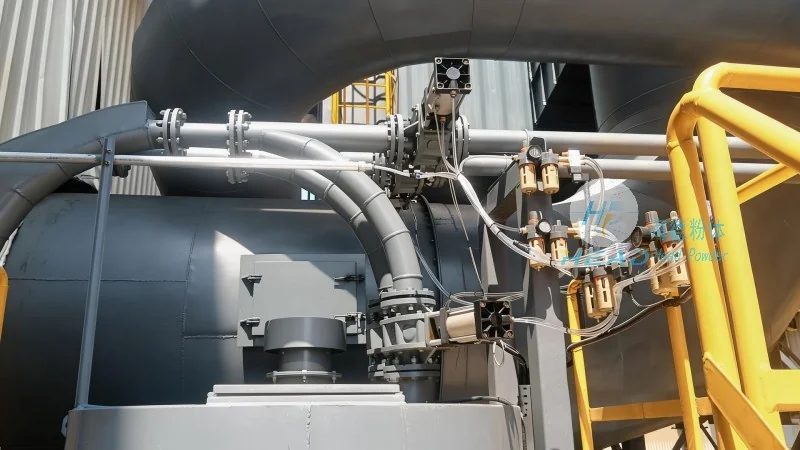
About Shandong HeadPowder Engineering Co., Ltd.
Shandong HeadPowder Engineering Co., Ltd., commonly known as HeadPowder, is a leading provider of engineering solutions for material handling and processing. With a focus on innovative technologies and customer-centric approaches, the company specializes in designing and implementing advanced pneumatic conveying systems tailored to the needs of various industries. HeadPowder's expertise lies in optimizing material transport processes, ensuring reliability, efficiency, and safety in handling pyrolytic carbon and other challenging materials.
Key Principles of Pyrolytic Carbon Pneumatic Conveying
The core principle of pneumatic conveying for pyrolytic carbon involves using compressed air to create a flow that transports the material particles through a system of pipes. This method is particularly suitable for materials that are fine, abrasive, or have low bulk density. The process typically operates under positive or negative pressure, depending on the specific application and system design. Positive pressure systems push the material forward using air, while negative pressure systems draw the material in using a vacuum. For pyrolytic carbon, which may have specific handling requirements due to its properties, the choice of pressure type and system configuration is critical to ensure effective and safe transport. The system components, including air compressors, material feeders, and pipeline networks, are designed to handle the unique characteristics of pyrolytic carbon, such as its tendency to form agglomerates or generate fine dust. Proper system design ensures that the air flow rate and pressure are optimized to maintain consistent material transport without causing blockages or excessive wear on components.
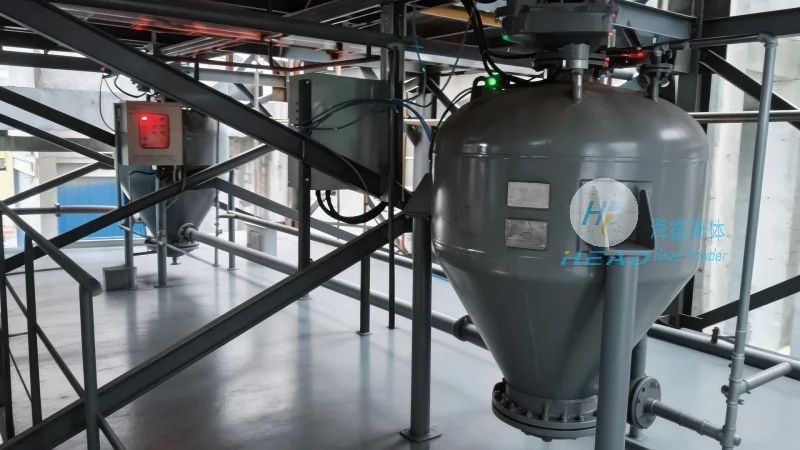
Application Scenarios and Operational Characteristics
Pyrolytic carbon pneumatic conveying systems are widely used in industrial settings where the material needs to be moved from one location to another without the need for mechanical components like conveyors or elevators. Common application scenarios include processing plants, manufacturing facilities, and research laboratories. In these environments, the system can handle large volumes of pyrolytic carbon, ensuring consistent flow rates and minimal material degradation. The operational characteristics of such systems are designed to accommodate the unique properties of pyrolytic carbon, such as its potential to generate dust or require controlled temperature conditions. By integrating features like dust collection, temperature control, and material separation, these systems enhance the overall efficiency and safety of the conveying process. For example, in a carbon processing plant, the system may transport pyrolytic carbon from a storage silo to a processing unit, maintaining a steady flow while preventing contamination or loss of material.
Advantages and Considerations in Real-World Applications
Implementing pyrolytic carbon pneumatic conveying offers several advantages, including reduced equipment wear compared to mechanical systems, lower maintenance costs, and the ability to handle materials in enclosed environments, minimizing dust exposure. However, there are also considerations to keep in mind, such as the need for proper system sizing to avoid pressure drops or material blockages, and the importance of regular maintenance to ensure consistent performance. HeadPowder's expertise in designing tailored solutions helps address these considerations, ensuring that the pneumatic conveying system is optimized for the specific characteristics of pyrolytic carbon and the operational requirements of the facility. The company's engineers work closely with clients to assess material properties, facility layout, and production needs, developing customized systems that meet both technical and operational standards.
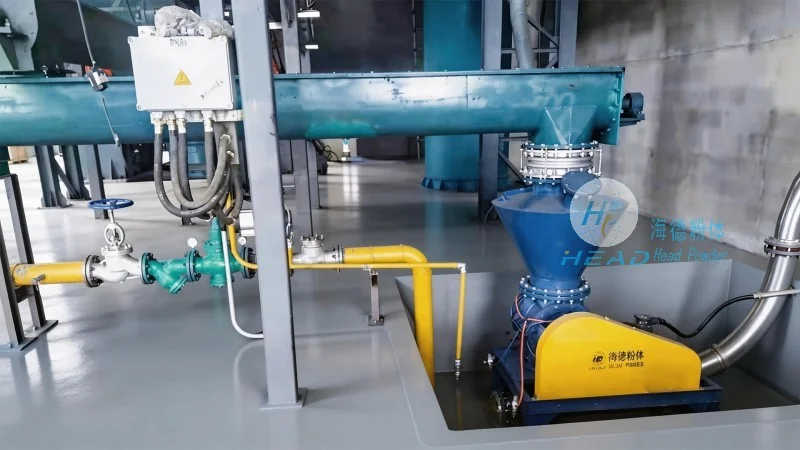
Technical Specifications and System Design
The design of a pyrolytic carbon pneumatic conveying system involves careful consideration of several technical parameters. These include the air velocity, which must be sufficient to overcome the material's resistance to flow but not so high as to cause excessive pressure loss or particle degradation. The pipeline diameter and length are also critical, as they affect the system's capacity and energy consumption. For pyrolytic carbon, which may have a low bulk density, the system may require larger pipelines or higher air velocities to maintain efficient transport. HeadPowder utilizes advanced computational fluid dynamics (CFD) modeling to simulate system performance and optimize design parameters before implementation. This approach ensures that the final system meets the required flow rates, pressure levels, and material handling capabilities while minimizing energy consumption and operational costs.
Operational Safety and Maintenance Practices
Ensuring the safe and reliable operation of pyrolytic carbon pneumatic conveying systems is a top priority. Safety features such as pressure relief valves, dust explosion suppression systems, and material flow monitoring devices are integrated into the design to prevent accidents and equipment damage. Regular maintenance is essential to keep the system operating at peak efficiency. This includes cleaning pipelines and filters to prevent clogging, inspecting air compressors and motors for wear, and checking for leaks or pressure drops. HeadPowder provides comprehensive maintenance services, including scheduled inspections, component replacement, and troubleshooting support, to help clients maintain the performance and longevity of their pneumatic conveying systems. By adhering to proper maintenance practices, facilities can minimize downtime, reduce repair costs, and ensure consistent material transport.