

Principle and Working Scene Characteristics of Gypsum Pneumatic Conveying
Hydraulic gypsum pneumatic conveying is a critical process in the handling and transportation of gypsum materials. This method involves the use of air to transport dry or semi-dry gypsum particles through a pipeline system. The technology is widely adopted in various industrial applications due to its efficiency, flexibility, and ability to handle bulk materials without the need for mechanical components like belts or buckets. It represents a modern approach to material handling, offering advantages over traditional methods such as reduced labor costs and minimized material degradation.
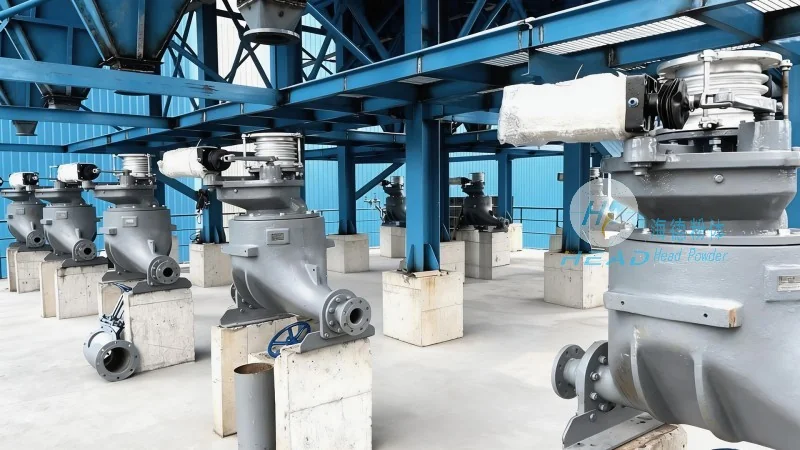
The Fundamental Principle of Pneumatic Conveying
The core principle of pneumatic conveying for gypsum is based on the creation of a pressure differential between the conveying line and the ambient environment. By generating a flow of air at a sufficient velocity, the gypsum particles are entrained and carried through the pipeline. This process relies on the balance between the air velocity and the particle size, density, and moisture content of the gypsum. The system typically consists of a blower or compressor, a hopper for material storage, a conveyor line, and a discharge point. The air flow is controlled to ensure that the gypsum particles are suspended and transported without clogging or degradation. The principle is rooted in fluid dynamics, where the air acts as a carrier medium, allowing the gypsum to be moved efficiently over distances ranging from a few meters to several kilometers.
Key Components and Their Functions
Several key components are integral to the operation of a gypsum pneumatic conveying system. The blower or compressor provides the necessary air pressure and volume to drive the material. It is selected based on the required flow rate and pressure, ensuring that the system can handle the specific characteristics of the gypsum being conveyed. The hopper, often equipped with a feeder, ensures a consistent supply of gypsum into the conveying line. The feeder may be a rotary valve or a screw feeder, designed to regulate the material flow and prevent blockages. The conveyor line, usually made of stainless steel or other corrosion-resistant materials, is designed to withstand the abrasive nature of gypsum particles. The material of construction is critical to prevent corrosion and ensure the longevity of the system. The discharge system, which may include a rotary valve or a dust collector, controls the release of the material at the destination. The dust collector is essential for maintaining air quality and preventing dust emissions, which is important for compliance with environmental regulations.
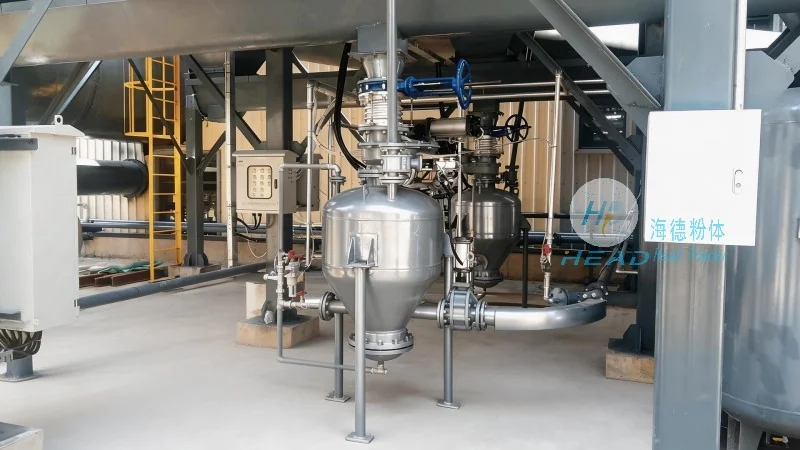
Working Scene Characteristics
The working scene characteristics of gypsum pneumatic conveying vary based on the specific application and operational requirements. In industrial settings, such as gypsum board manufacturing plants, the system is often integrated into a production line to transport raw gypsum from storage to processing units. The conveying system may operate continuously, handling large volumes of material to meet production demands. The system is designed to handle the high throughput required by modern manufacturing processes, ensuring that the raw material is available when needed. In construction material handling facilities, the technology is used to transport gypsum from storage silos to loading areas for distribution. The flexibility of pneumatic conveying allows it to adapt to different operational scenarios, from short-distance transport within a facility to longer-distance transfers between sites. The ability to transport material over longer distances without the need for intermediate storage points makes it an attractive option for companies operating across multiple locations.
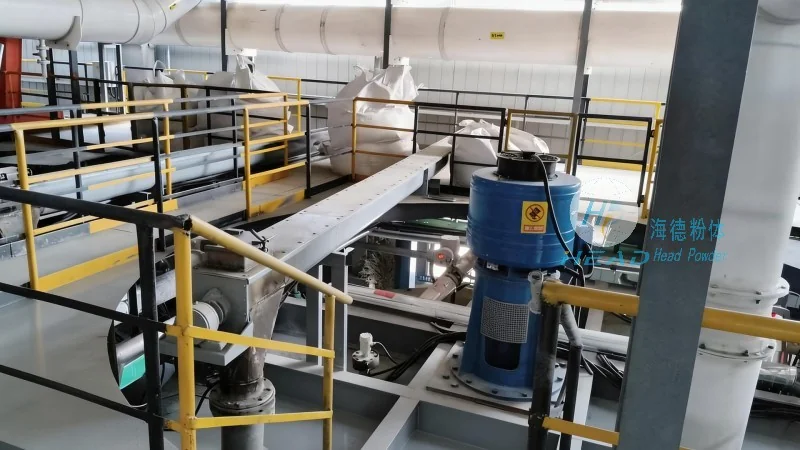
Advantages and Considerations in Gypsum Handling
Implementing pneumatic conveying for gypsum offers several advantages. It eliminates the need for heavy machinery and reduces labor costs associated with manual handling. The system is also less prone to material contamination and can handle a wide range of particle sizes and moisture levels. This flexibility makes it suitable for various types of gypsum, including natural and synthetic varieties. However, there are considerations to keep in mind, such as the potential for air leakage, which can affect system efficiency and increase energy consumption. Regular maintenance is required to check for leaks and replace worn components. The energy consumption of the blower or compressor must be managed to ensure cost-effectiveness, as this is a significant operational cost for the system. Additionally, the system may require more space compared to other material handling methods, as the pipeline and equipment occupy a larger footprint.
Conclusion
Gypsum pneumatic conveying is a sophisticated and efficient method for handling and transporting gypsum materials. By understanding the fundamental principles and working characteristics of this technology, industries can optimize their material handling processes. The system's adaptability and reliability make it a preferred choice in various applications, contributing to improved operational efficiency and reduced costs. As a leading provider in the field, Shandong HeadPowder Engineering Co., Ltd. specializes in designing and implementing customized pneumatic conveying solutions tailored to the specific needs of clients. With a focus on quality and innovation, the company ensures that its systems meet the highest standards of performance and durability. The expertise of Shandong HeadPowder Engineering Co., Ltd. in pneumatic conveying technology enables clients to enhance their material handling capabilities, ultimately leading to increased productivity and competitiveness in the market.