

Principles and Application Scenarios of Steel Grit Powder Conveying
Steel grit powder conveying is a specialized industrial process designed to transport abrasive materials like steel grit efficiently and safely. Understanding the underlying principles and the specific working scenarios where this technology excels is essential for optimizing material handling operations across various industries. This article delves into the core mechanisms of steel grit powder conveying, highlighting key aspects that define its effectiveness and suitability for diverse industrial applications.
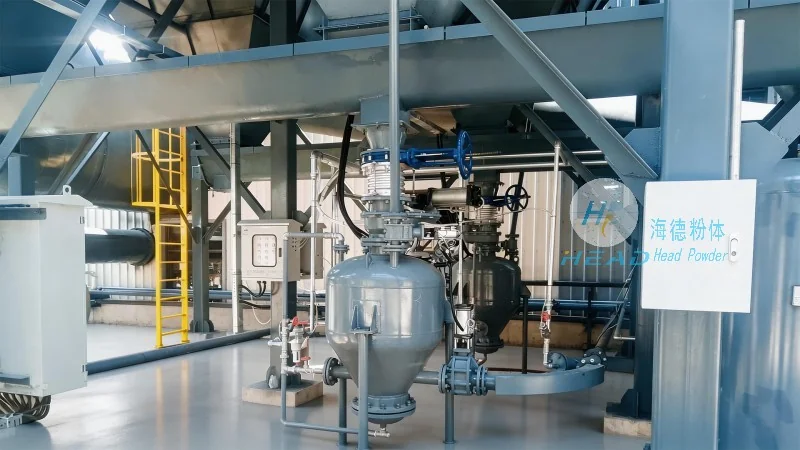
Core Principles of Steel Grit Powder Conveying
The fundamental principle of steel grit powder conveying revolves around the use of pneumatic or mechanical systems to move abrasive particles through a sealed pipeline. Unlike traditional bulk materials, steel grit requires specialized equipment due to its high density, hardness, and abrasive nature. The conveying process typically involves generating a consistent flow of air or gas that propels the grit particles through the system, ensuring minimal dust generation and operational safety. Key components include dust collectors, conveyors, and control systems that work in tandem to maintain stable material flow rates and prevent clogging or blockages.
One of the primary advantages of steel grit powder conveying is its ability to handle abrasive materials without causing excessive wear to the conveying equipment. This is achieved through the use of robust materials for the conveyor components, such as stainless steel or specialized alloys, which can withstand the constant friction and impact from the grit particles. The system also incorporates features like air filtration and pressure regulation to ensure stable operation and protect downstream equipment from contamination. By leveraging these principles, industrial facilities can achieve efficient material transport while maintaining equipment longevity and operational reliability.
Working Scene Characteristics of Steel Grit Powder Conveying
Steel grit powder conveying is widely employed in industrial applications where abrasive materials need to be transported over long distances or through complex layouts. Common working scenarios include manufacturing plants, mining operations, and surface treatment facilities. In these environments, the technology is used to move steel grit from storage silos to processing equipment, such as shot blasting machines or grinding systems. The ability to handle abrasive materials in a controlled manner makes it ideal for applications where precision and consistency are critical.
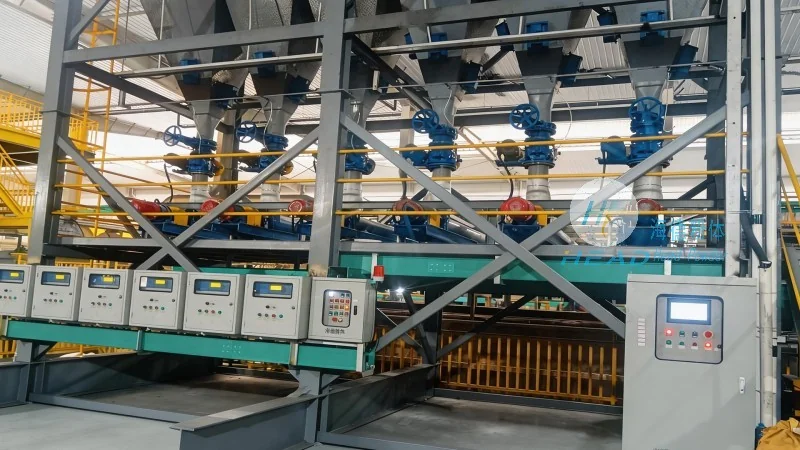
Another key working scene characteristic is the need for effective dust control and environmental compliance. Steel grit is a fine, abrasive powder that can generate significant airborne particles during handling. The conveying system incorporates advanced filtration and dust collection mechanisms to minimize dust accumulation, ensuring compliance with environmental regulations and protecting worker health. This is particularly important in indoor or enclosed workspaces where dust can pose safety risks and affect equipment performance.
The system's adaptability to different material sizes and flow rates is another critical characteristic. Steel grit comes in various particle sizes, from fine powders to coarse granules, and the conveying system must be capable of handling these variations without compromising efficiency. This flexibility allows the technology to be integrated into existing production lines or new installations, providing a scalable solution for material handling needs. Additionally, the system's ability to operate under varying pressure and temperature conditions makes it suitable for diverse industrial environments, from cold storage facilities to high-temperature processing plants.
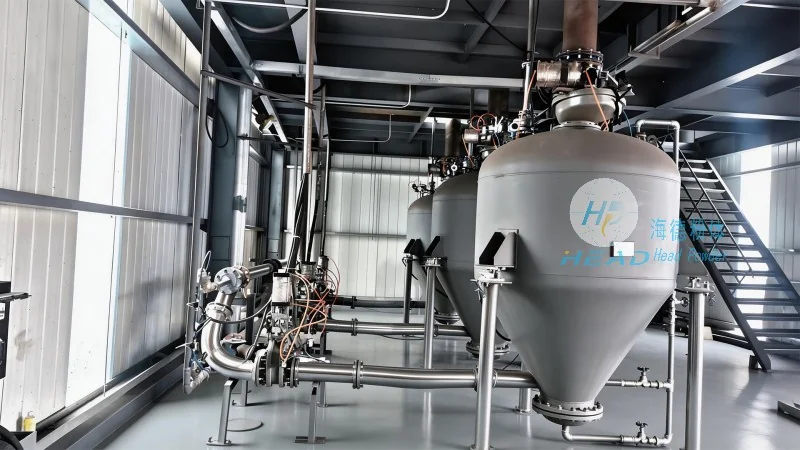
Application Examples and Operational Benefits
Real-world applications of steel grit powder conveying demonstrate its effectiveness in optimizing material handling processes. For instance, in automotive manufacturing, steel grit is used for surface treatment of metal parts, and the conveying system ensures a consistent supply of grit to shot blasting machines. This results in improved surface quality and reduced processing time, leading to increased productivity. Similarly, in mining operations, the technology is used to transport abrasive grit from processing plants to storage or further treatment facilities, enabling efficient material movement and reducing manual handling risks.
Operational benefits of steel grit powder conveying include enhanced safety, reduced maintenance costs, and improved material quality control. By eliminating manual handling of abrasive materials, the system minimizes the risk of worker injuries and exposure to dust. The use of robust equipment also reduces the frequency of maintenance and repairs, leading to lower operational costs over time. Furthermore, the consistent flow of material ensures that downstream processes receive a uniform supply of grit, improving the quality and consistency of the final product. These benefits make steel grit powder conveying a preferred solution for industries that require reliable and efficient material transport of abrasive powders.
Conclusion and Industry Relevance
In conclusion, steel grit powder conveying is a vital technology in industrial material handling, offering efficient and safe solutions for transporting abrasive materials. The core principles of pneumatic or mechanical conveying, combined with specialized equipment and control systems, enable consistent and reliable operation across various working scenarios. The technology's adaptability to different material sizes, environmental conditions, and operational requirements makes it a versatile solution for industries such as manufacturing, mining, and surface treatment. As industrial facilities continue to seek more sustainable and efficient material handling methods, steel grit powder conveying remains a key technology for optimizing production processes and ensuring operational excellence.