

Principles and Working Scene Characteristics of Coal Ash Powder Conveying
Coal ash, a byproduct of coal combustion in thermal power plants, presents unique challenges in material handling due to its fine particle size, variable moisture content, and potential for dust generation. The efficient and reliable conveyance of coal ash powder is crucial for industrial processes, particularly in the power generation and construction sectors. This article explores the fundamental principles of coal ash powder conveying and highlights the key characteristics of working environments where such systems are deployed, with a focus on the expertise of Shandong HeadPowder Engineering Co., Ltd., a leading provider of specialized material handling solutions based in Shandong, China.
Understanding the Core Principles of Coal Ash Powder Conveying
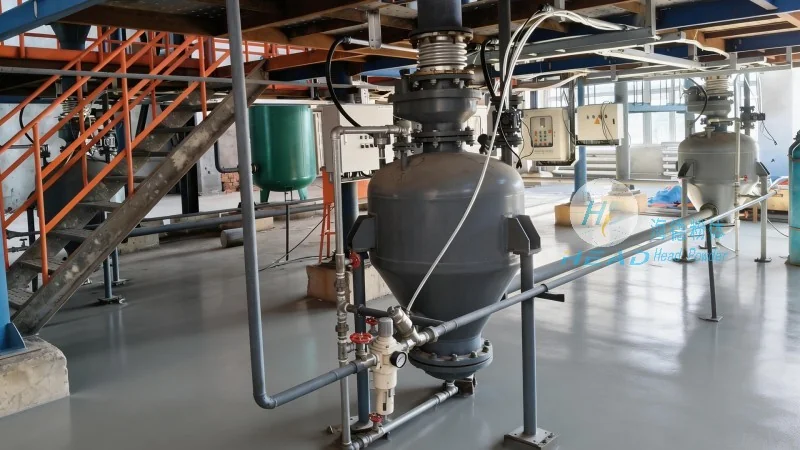
The primary objective of coal ash powder conveying is to transport fine particulate materials from a source to a destination while maintaining process efficiency, minimizing material loss, and ensuring environmental compliance. Several key principles underpin effective coal ash conveying systems. First, the selection of the appropriate conveying method is critical. Common approaches include pneumatic conveying (air-assisted transport) and mechanical conveying (such as screw conveyors or belt conveyors). Pneumatic systems are often preferred for coal ash due to their ability to handle fine powders over long distances with minimal equipment wear. These systems typically consist of a blower or fan to generate airflow, a pipeline network to transport the material, and a receiver or discharge unit to collect the ash at the destination. The choice between positive and negative pressure systems depends on factors like the distance, material properties, and system layout. Positive pressure systems push air and material through the pipeline, while negative pressure systems draw material into the system using suction. For coal ash, which can be abrasive and prone to caking, positive pressure systems are often favored as they reduce the risk of material buildup and blockages.
Second, the design of the conveying system must account for the physical and chemical properties of coal ash. Coal ash particles are typically in the range of 10 to 100 microns, with a high specific gravity and variable moisture content. These characteristics affect the flowability and abrasiveness of the material. High moisture content can lead to agglomeration, making the material sticky and difficult to handle. Therefore, moisture control is a critical aspect of the conveying process. Pre-drying or conditioning of the coal ash before transport can improve its flow characteristics and reduce the risk of blockages. Additionally, the abrasiveness of coal ash can cause wear on the conveying equipment, such as pipelines and valves. Materials like stainless steel or special alloys are often used to mitigate this wear, ensuring the longevity of the system.
Key Working Scene Characteristics of Coal Ash Powder Conveying Systems
The working environments where coal ash powder conveying systems operate vary significantly, each presenting unique challenges and requirements. Understanding these characteristics is essential for designing and implementing effective solutions. One of the most common working scenes is within thermal power plants, where coal ash is generated as a byproduct of coal combustion. In these settings, the conveying system must handle large volumes of ash from the boiler to storage silos or disposal sites. The distance between the boiler and the storage area can be several hundred meters, requiring high-capacity conveying systems capable of transporting large quantities of material continuously. The operating conditions in power plants are often harsh, with high temperatures and high humidity, which can affect the performance of the conveying equipment. Therefore, materials and components that can withstand these conditions are essential. For example, the use of heat-resistant materials in the blower and pipeline system is crucial to prevent thermal degradation and maintain efficiency.
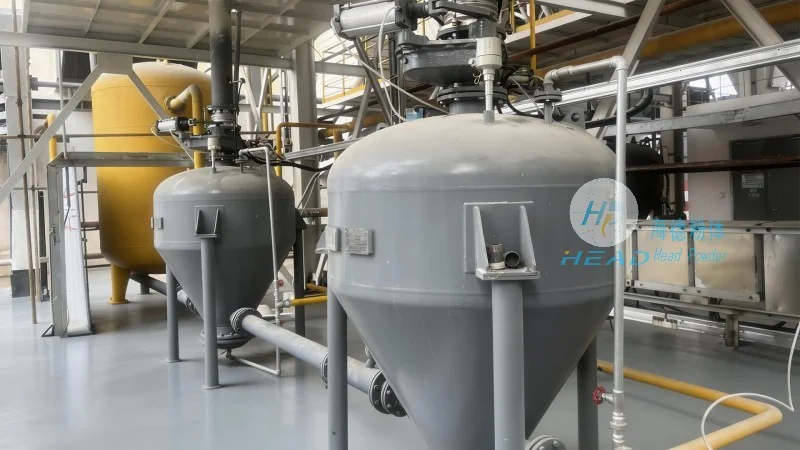
Another important working scene is in the construction and cement industries, where coal ash is used as a supplementary cementitious material (SCM) in concrete production. In these applications, the ash is conveyed from storage silos to mixing plants or batching stations. The conveying distance is generally shorter compared to power plants but still requires reliable systems to ensure consistent material supply. The key characteristic here is the need for precise control over the ash flow rate to maintain the desired cement composition. This often involves the integration of flow meters and control valves in the conveying system to regulate the material delivery. The dust control aspect is also critical in construction sites, as coal ash is a fine powder that can cause respiratory issues if not handled properly. Enclosed conveying systems and dust collection equipment are typically employed to minimize airborne dust and ensure worker safety.
A third notable working scene is in the recycling and waste management sector, where coal ash is processed for reuse or disposal. In these environments, the conveying system may need to handle ash that has been mixed with other materials or has undergone additional treatment processes. The variability in material composition can pose challenges in maintaining consistent conveying performance. Advanced control systems and adaptive conveying technologies are often used to address these variations. For instance, variable frequency drives (VFDs) can adjust the airflow or motor speed in response to changes in material flow, ensuring smooth operation even with fluctuating loads. The environmental regulations in waste management facilities also require strict dust emission controls, making the selection of efficient dust collection systems a priority.
Role of Shandong HeadPowder Engineering Co., Ltd. in Coal Ash Powder Conveying
Shandong HeadPowder Engineering Co., Ltd. specializes in providing customized coal ash powder conveying solutions tailored to the specific needs of industrial clients. With a strong presence in Shandong, China, the company leverages its local expertise and technical knowledge to design, manufacture, and install efficient conveying systems for coal ash. The company’s approach involves a comprehensive understanding of the material properties, operational requirements, and environmental considerations of each project. By collaborating closely with clients, HeadPowder engineers develop solutions that optimize material handling efficiency while minimizing operational costs and environmental impact.
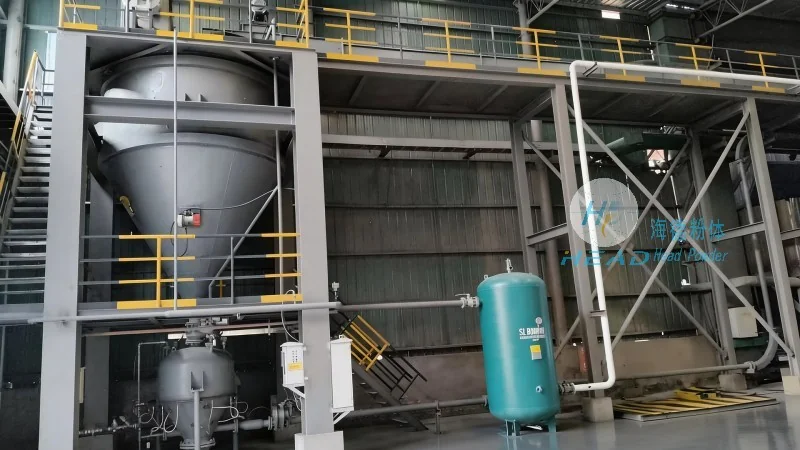
The company’s product portfolio includes a range of pneumatic conveying systems, from low-pressure, low-capacity units for small-scale applications to high-pressure, high-capacity systems suitable for large power plants. Each system is designed with the specific characteristics of coal ash in mind, incorporating features such as abrasion-resistant materials, moisture control mechanisms, and advanced control systems. For example, the company’s positive pressure conveying systems use high-quality stainless steel pipelines and wear-resistant components to extend the service life of the equipment. The integration of dust collection and filtration systems ensures compliance with environmental regulations and maintains a safe working environment.
HeadPowder’s commitment to quality and innovation is reflected in its adherence to international standards and continuous research and development efforts. The company invests in advanced technologies to improve the performance and reliability of its conveying systems. This includes the use of sensors and monitoring systems to track material flow, detect blockages, and adjust system parameters in real-time. Such advancements enhance the overall efficiency and safety of the conveying process, reducing downtime and maintenance costs for clients.
In summary, the principles of coal ash powder conveying and the characteristics of working environments are integral to the successful implementation of material handling solutions. By understanding these factors and leveraging specialized expertise, companies like Shandong HeadPowder Engineering Co., Ltd. can deliver effective and reliable systems that meet the demands of modern industrial applications. The efficient conveyance of coal ash not only improves operational efficiency but also contributes to sustainable resource management and environmental protection.