

Principle and Working Scene Characteristics of Desulfurizer Powder Conveying System
Desulfurizer powder conveying systems are critical components in industrial processes, particularly in power plants and other facilities that rely on flue gas desulfurization to reduce sulfur dioxide emissions. The efficient and reliable transport of desulfurizer powders is essential for maintaining optimal performance and environmental compliance. This article explores the fundamental principles behind these systems and highlights the key working scene characteristics that define their operation.
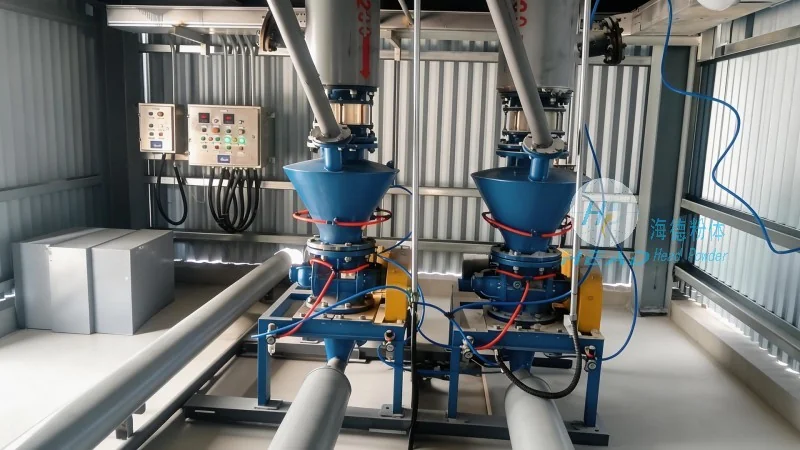
Company Overview: Shandong HeadPowder Engineering Co., Ltd.
Headpowder, or Shandong HeadPowder Engineering Co., Ltd., is a leading provider of specialized engineering solutions for powder handling and conveying systems. With a strong presence in China, particularly in Shandong province, the company has established itself as a trusted partner for industries requiring advanced powder transport technologies. Headpowder's expertise lies in designing, manufacturing, and implementing customized conveying systems tailored to the unique demands of each application.
Principle of Desulfurizer Powder Conveying Systems
The core principle of desulfurizer powder conveying systems revolves around the efficient movement of fine powders, typically limestone or other alkaline materials, from storage silos to the injection points in flue gas treatment equipment. These systems often employ pneumatic or mechanical conveying methods, depending on the specific requirements of the application. Pneumatic conveying, for instance, uses compressed air to transport powders through pipelines, while mechanical systems may utilize screw conveyors, belt conveyors, or bucket elevators. The choice of method depends on factors such as the powder's properties, the distance to be covered, and the desired flow rate.
Working Scene Characteristics
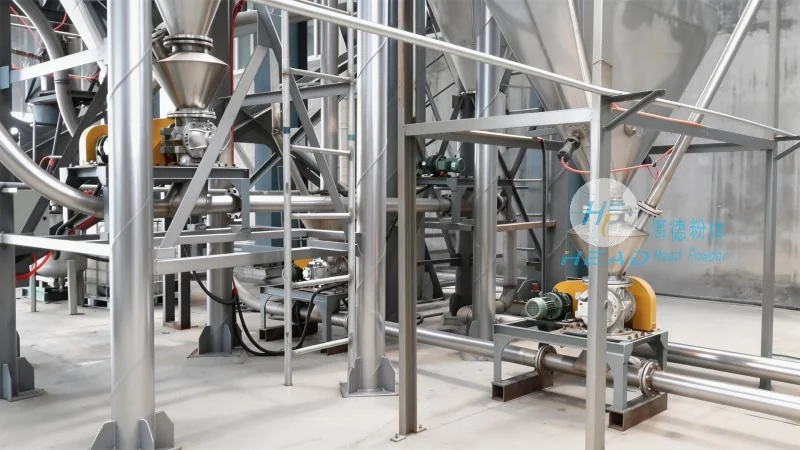
The working scene characteristics of desulfurizer powder conveying systems vary significantly based on the industrial environment and the scale of operation. In large power plants, for example, these systems may need to handle high volumes of powder over long distances, requiring robust and durable equipment capable of withstanding harsh conditions. The systems must also be designed to minimize dust emissions and ensure environmental safety, as powders like desulfurizer can be fine and potentially hazardous if not handled properly. Additionally, the systems need to integrate seamlessly with existing infrastructure, such as silos, hoppers, and injection equipment, to ensure smooth operation and minimal downtime.
Key Components and Their Functions
Desulfurizer powder conveying systems typically consist of several key components, each playing a crucial role in the overall operation. The primary components include storage silos or hoppers, conveying equipment (such as pneumatic pipelines or mechanical conveyors), control systems, and feeding mechanisms. The storage silos are designed to hold the desulfurizer powder in bulk, ensuring a steady supply for the conveying process. The conveying equipment transports the powder from the storage area to the injection point, where it is mixed with flue gas to neutralize sulfur dioxide. The control systems monitor and regulate the flow rate, pressure, and other parameters to maintain optimal performance. The feeding mechanisms, such as rotary valves or feeders, ensure that the powder is discharged from the silo at a controlled rate, preventing blockages and ensuring consistent flow.
Advantages and Benefits
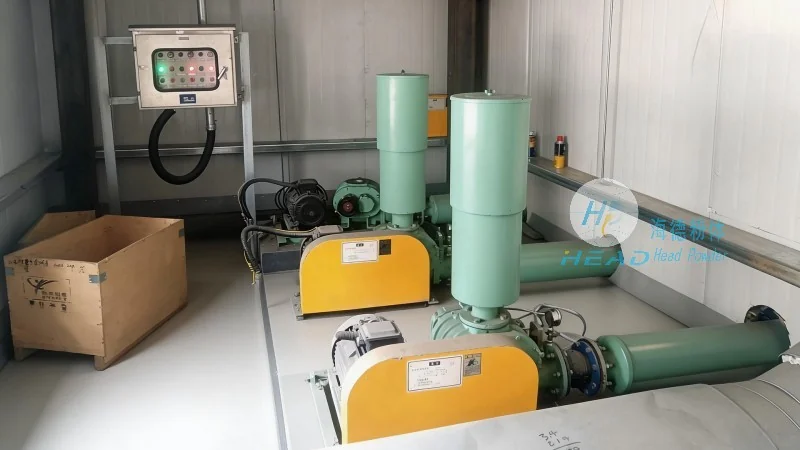
Implementing a well-designed desulfurizer powder conveying system offers several advantages for industrial facilities. Firstly, it enhances operational efficiency by ensuring a continuous and reliable supply of desulfurizer powder, which is critical for maintaining the effectiveness of flue gas desulfurization processes. Secondly, it reduces labor costs by automating the powder handling process, minimizing the need for manual intervention and associated risks. Thirdly, it improves safety by minimizing dust exposure and preventing accidents associated with manual handling of powders. Additionally, these systems can be customized to meet specific requirements, such as handling different types of powders or accommodating varying flow rates, making them versatile solutions for diverse industrial applications.
Application Examples
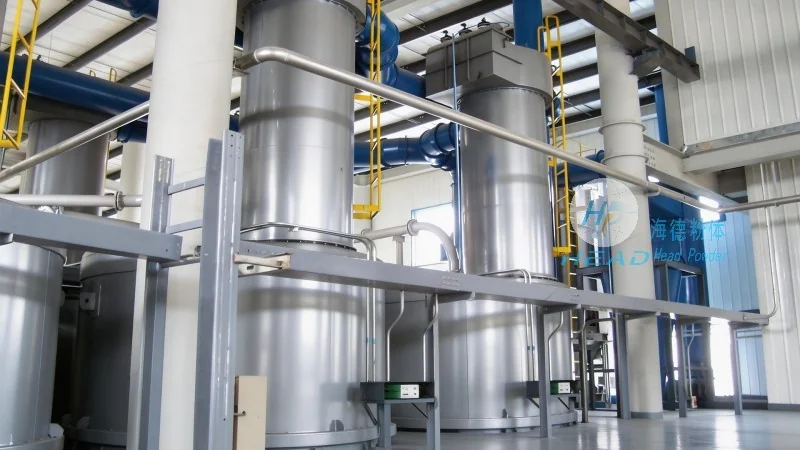
Desulfurizer powder conveying systems are widely used in various industrial settings, with power plants being the most common application. In a typical power plant, the system may involve a large storage silo for limestone, a pneumatic conveying pipeline to transport the powder to the desulfurization tower, and a feeding mechanism to inject the powder into the flue gas stream. The system is designed to handle high volumes of powder, often several tons per hour, and operates continuously to ensure consistent desulfurization. Other applications may include industrial boilers, chemical plants, and waste incineration facilities, where the need to handle fine powders for emission control is present.
Conclusion
Desulfurizer powder conveying systems are essential for the efficient operation of flue gas desulfurization processes, and their design and implementation require careful consideration of the specific application requirements. By understanding the fundamental principles and working scene characteristics of these systems, industrial facilities can select and implement the most suitable solution to meet their needs. Companies like Shandong HeadPowder Engineering Co., Ltd. play a vital role in providing these specialized systems, ensuring that industries can comply with environmental regulations while maintaining operational efficiency and safety.