

Principles and Working Scene Characteristics of Mineral Sand Material Handling
Mineral sand material handling is a critical process in various industrial applications, involving the efficient transport of mineral sands such as silica, zircon, and ilmenite. Understanding the underlying principles and the specific characteristics of different working scenes is essential for optimizing operational efficiency and ensuring safe, reliable material transport. This article explores the fundamental principles of mineral sand material conveying systems and highlights key working scene characteristics that influence system design and performance.
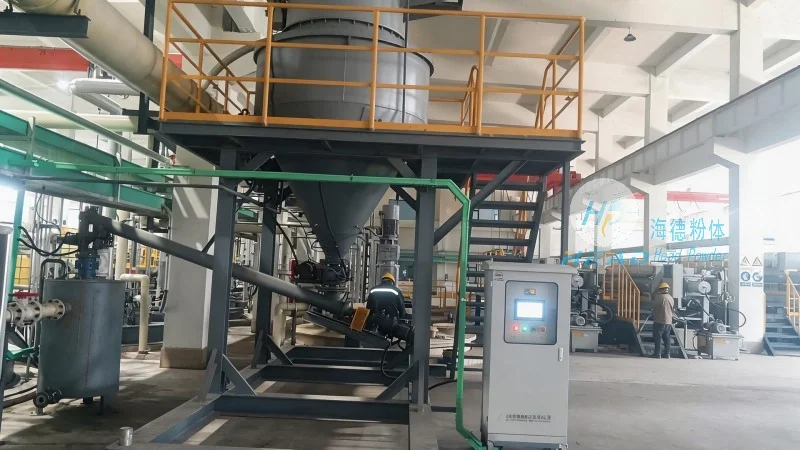
Core Principles of Mineral Sand Material Handling
The primary principle of mineral sand material handling is to achieve consistent, reliable, and energy-efficient transport of bulk materials. This involves several key components, including material properties, equipment selection, and operational parameters. For mineral sands, which often have specific characteristics like particle size distribution, density, and abrasiveness, the choice of conveying equipment is critical. For instance, screw conveyors are commonly used for handling fine-grained mineral sands due to their ability to maintain material flow without excessive wear. Belt conveyors, on the other hand, are ideal for transporting larger, bulkier mineral sand loads over longer distances, providing high throughput and minimal material degradation. The selection of equipment is also influenced by the desired conveying speed, which can range from slow, controlled movement for sensitive materials to high-speed transport for bulk processing operations. Additionally, the principle of minimizing material degradation is paramount, as mineral sands are often used in high-value applications where particle size and purity are critical. Proper equipment maintenance and regular inspections are therefore essential to ensure that the conveying system operates within optimal parameters, preserving the quality of the mineral sand throughout the transport process.
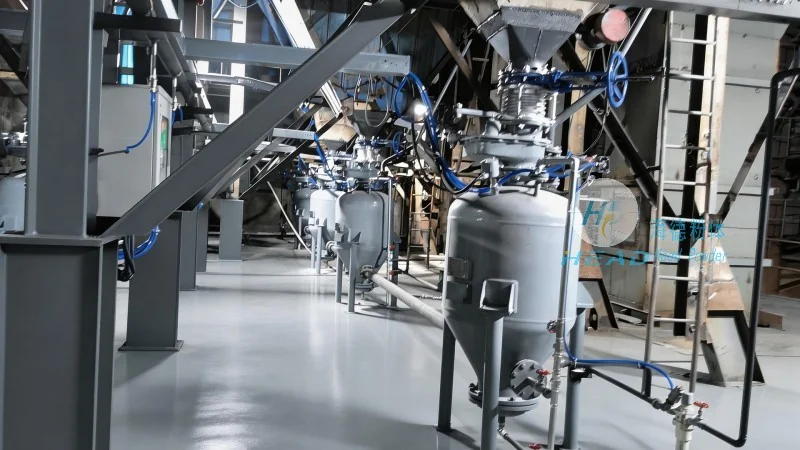
Working Scene Characteristics and Their Impact on Material Handling
The characteristics of the working scene play a significant role in determining the most suitable material handling solution for mineral sands. These characteristics include the environment (indoor or outdoor), the distance and elevation changes between the loading and unloading points, the volume of material to be transported, and the required speed of transport. Indoor applications, such as in processing plants or storage facilities, typically require enclosed conveying systems to maintain dust control and protect the material from external contaminants. Outdoor applications, on the other hand, may involve open-air conveyors that are designed to withstand weather conditions and resist corrosion from moisture or salt. The distance between the source and destination of the mineral sand is another critical factor. Short-distance transport within a processing plant may use compact, low-cost systems like bucket elevators or vertical screw conveyors, while long-distance transport over several hundred meters or more may require belt conveyors with multiple drives or incline sections. Elevation changes are also a key consideration, as mineral sand material handling systems often need to lift or lower the material to different levels. Inclined belt conveyors or bucket elevators are commonly used for vertical transport, with the angle of inclination carefully calculated to balance material flow and equipment wear. The volume of material to be transported, measured in tons per hour (tph), dictates the capacity of the conveying system. High-volume applications, such as in mining operations or large-scale processing plants, may require multiple parallel conveyors or high-capacity belt systems to meet production demands. The required speed of transport is also influenced by downstream processes, such as sorting or processing, which may have specific input rate requirements. For example, a mineral sand processing plant may require a conveyor system to deliver material at a consistent rate to a washing or screening unit, ensuring that the downstream equipment operates efficiently without bottlenecks. The working scene characteristics also include the presence of other equipment or structures that may interact with the material handling system. For instance, in a mining site, the conveyor may need to navigate around existing machinery or obstacles, requiring flexible or modular conveyor designs. In industrial plants, the conveyor may need to integrate with other processing equipment, such as crushers or classifiers, which may have specific input or output requirements. The characteristics of the working environment, including temperature, humidity, and exposure to chemicals, also impact the choice of materials for the conveyor components. For example, in a coastal mining operation, the conveyor may be exposed to saltwater, necessitating the use of corrosion-resistant materials like stainless steel or special coatings. Similarly, in high-temperature processing environments, the conveyor may need to be designed to withstand elevated temperatures without degrading the material or the equipment itself. Overall, the working scene characteristics are a crucial factor in the design and implementation of mineral sand material handling systems, as they directly affect the system's performance, efficiency, and longevity.
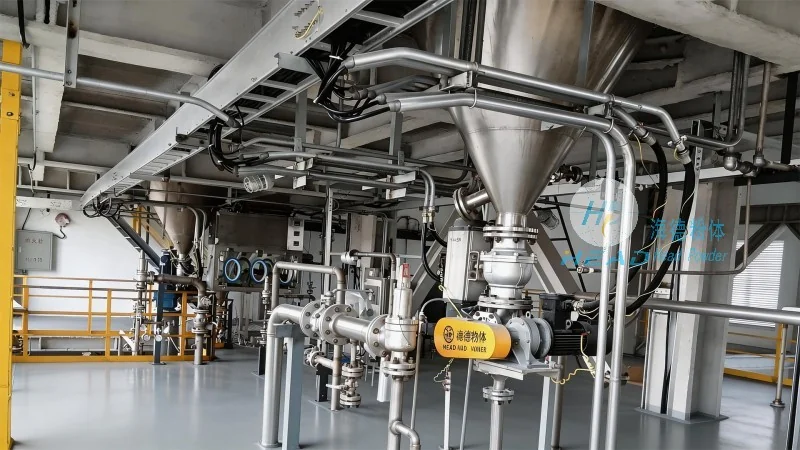
Company Profile: Shandong HeadPowder Engineering Co., Ltd.
Shandong HeadPowder Engineering Co., Ltd., commonly known as HeadPowder, is a leading provider of specialized material handling solutions tailored for mineral sand applications. With a focus on engineering excellence and customer-centric design, HeadPowder has established itself as a trusted partner in the mineral processing industry. The company's expertise lies in designing and manufacturing custom conveying systems that address the unique challenges of mineral sand material handling, including abrasive material handling, high-volume transport, and environmental considerations. HeadPowder's team of experienced engineers and technicians work closely with clients to understand their specific operational needs and develop tailored solutions that optimize performance and reduce operational costs. The company's product portfolio includes a range of conveyor systems, such as screw conveyors, belt conveyors, and bucket elevators, all engineered to meet the demanding requirements of mineral sand processing. HeadPowder's commitment to quality and innovation is reflected in its adherence to international standards and continuous investment in research and development. By leveraging advanced manufacturing techniques and rigorous quality control processes, HeadPowder ensures that its conveying systems are reliable, durable, and efficient, providing long-term value to its clients. The company's presence in Shandong, China, allows it to leverage local resources and expertise while maintaining a global perspective on industry trends and customer needs. HeadPowder's dedication to customer satisfaction and technical excellence has earned it a reputation as a leading provider of mineral sand material handling solutions, serving clients in various industries, including mining, construction, and manufacturing.