

Principles and Working Scene Characteristics of Nickel Powder Material Handling
HeadPowder, a leading manufacturer in the field of powder handling technology, specializes in providing efficient and reliable solutions for nickel powder material transport. This article delves into the fundamental principles behind nickel powder handling systems and explores the distinct characteristics of various working scenarios where these systems are applied.
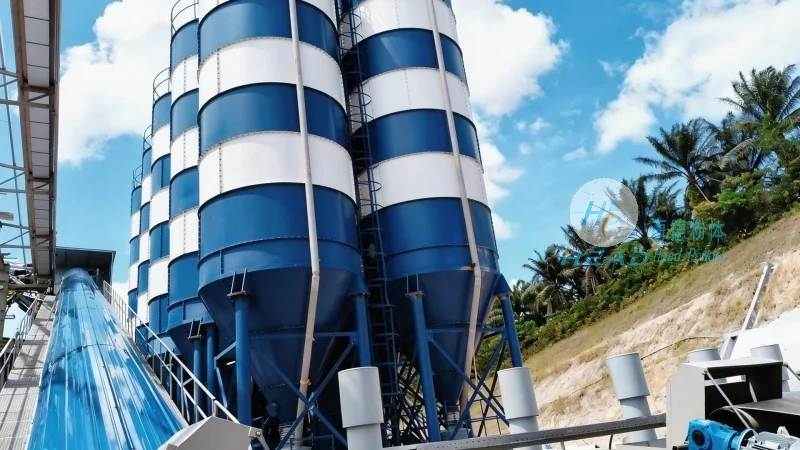
Nickel powder, due to its fine particle size and potential reactivity, requires specialized handling methods to ensure safety, efficiency, and product integrity. The core principle of nickel powder material handling revolves around controlling particle flow, minimizing dust generation, and maintaining consistent material properties throughout the transport process. Advanced engineering approaches, such as pneumatic conveying, mechanical conveying, and vacuum systems, are commonly employed to address the unique challenges posed by nickel powder.
Pneumatic conveying systems, for instance, utilize compressed air to move nickel powder through pipelines. This method is particularly effective for long-distance transport and can handle both dilute and dense phase flows. The system design, including the choice of air velocity, pipeline diameter, and material feed rate, is critical to achieving optimal performance and preventing blockages or degradation of the powder. Mechanical conveying, on the other hand, relies on mechanical components like screw conveyors, belt conveyors, or bucket elevators to transport nickel powder. These systems are often preferred for horizontal or slightly inclined transport routes and can handle larger particle sizes or bulkier materials.
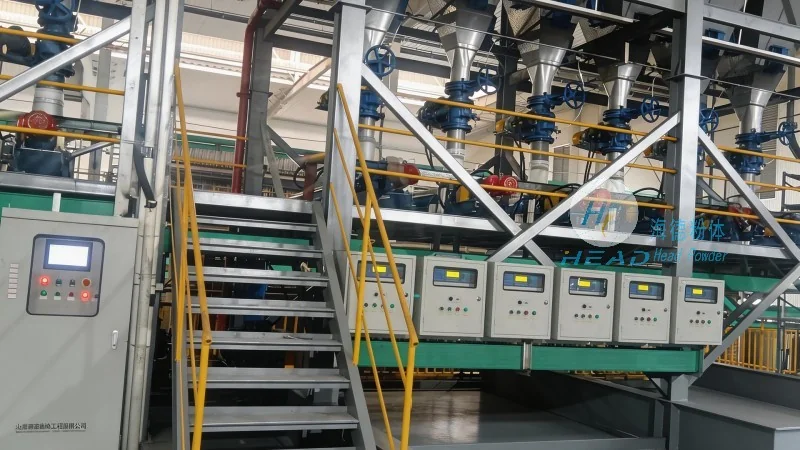
Working scene characteristics play a crucial role in selecting the appropriate material handling system. For example, in industrial production lines where nickel powder is used as a raw material for battery manufacturing or metal alloys, the system must ensure precise dosing and minimal contamination. The working environment, such as the presence of moisture, temperature variations, or corrosive substances, also influences the choice of equipment materials and sealing mechanisms. In high-purity applications, like pharmaceutical or electronic component production, the handling system must incorporate features like dust filtration, inert gas purging, and contamination control to meet stringent quality standards.
Another key aspect is the scale of operation. Small-scale applications, such as laboratory-scale processing or batch production, may use compact conveying systems with lower capacity requirements. In contrast, large-scale industrial plants, such as those involved in nickel refining or large-scale battery production, demand high-capacity, continuous material handling solutions. The system design must account for factors like throughput, material flow rate, and energy efficiency to ensure cost-effectiveness and sustainability.
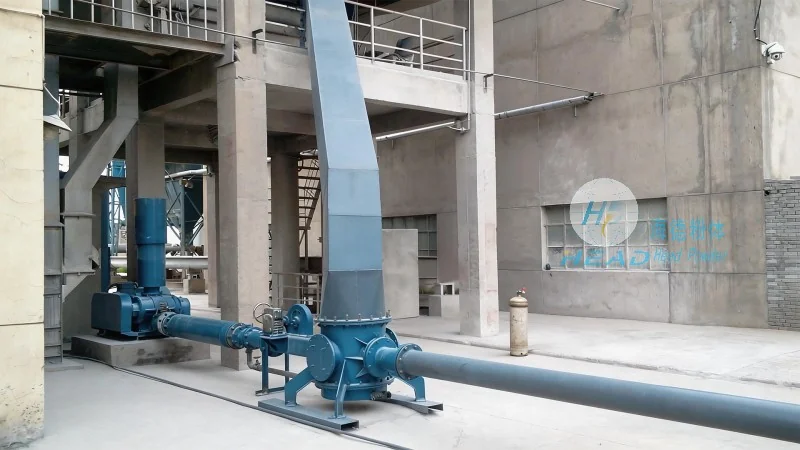
HeadPowder, with its extensive experience and expertise, offers tailored solutions that address the specific needs of nickel powder handling. The company's engineering team works closely with clients to assess their operational requirements, process parameters, and environmental constraints, ensuring the selection of the most suitable conveying system. Whether it's a pneumatic conveying line for long-distance transport or a mechanical conveyor for on-site material movement, HeadPowder's solutions are designed to enhance productivity, reduce operational costs, and improve overall safety in nickel powder handling operations.
In conclusion, understanding the principles of nickel powder material handling and the characteristics of different working scenarios is essential for optimizing material transport processes. By leveraging advanced technology and expert engineering, companies like Shandong HeadPowder Engineering Co., Ltd. can provide efficient, reliable, and safe solutions that meet the demands of modern industrial applications. The integration of appropriate conveying systems, along with careful consideration of operational parameters and environmental factors, ensures that nickel powder is handled effectively, maintaining its quality and integrity throughout the entire process.