

Principle and Working Scene Characteristics of Hot Dry Ash Material Conveying System
Hot dry ash material conveying systems are critical components in industrial waste management, particularly in power plants and other facilities that generate large volumes of ash. These systems are designed to transport hot, dry ash from the bottom of boilers or other combustion units to storage or disposal sites efficiently and safely. Understanding the principle and working scene characteristics of such systems is essential for optimizing operational efficiency and ensuring compliance with environmental regulations.
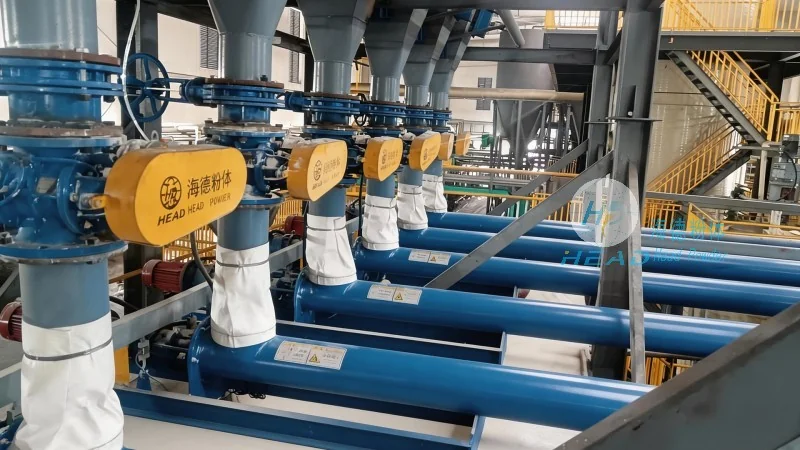
Company Introduction: Shandong HeadPowder Engineering Co., Ltd.
HeadPowder, a leading engineering company based in Shandong, China, specializes in the design, manufacturing, and installation of advanced material handling solutions. With a strong focus on innovation and customer-centric service, HeadPowder has established itself as a trusted partner in the power and environmental sectors. The company's expertise in hot dry ash conveying systems reflects its commitment to delivering reliable and efficient solutions tailored to the unique needs of its clients.
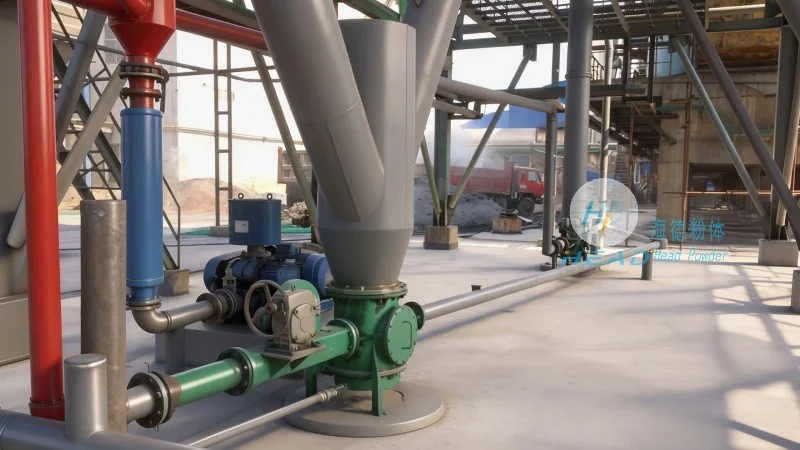
Principle of Hot Dry Ash Material Conveying Systems
The core principle of hot dry ash material conveying systems revolves around the use of specialized equipment to handle high-temperature, abrasive ash materials. These systems typically consist of components such as ash hoppers, conveyor belts or screw conveyors, and control systems. The process begins with the collection of hot ash from the boiler bottom, where it is transferred into the conveying equipment. The system then uses mechanical means to transport the ash over long distances, often while maintaining the material's dry and hot state to prevent caking or clumping. Advanced designs may incorporate features like temperature control, material flow regulation, and dust suppression to ensure safe and efficient operation.
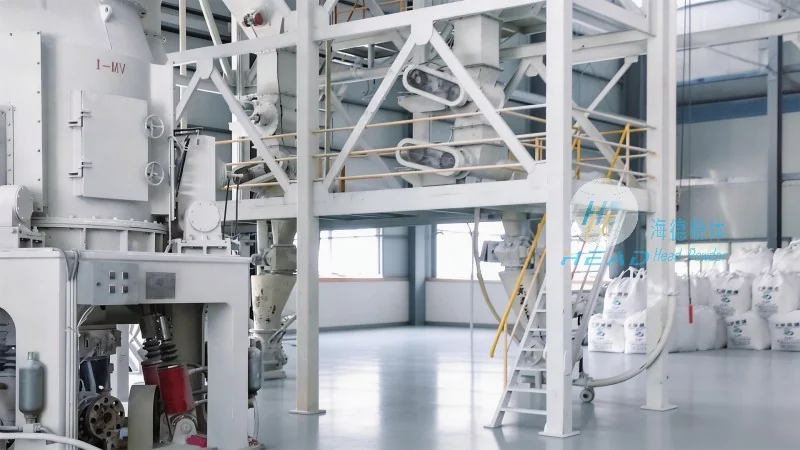
Working Scene Characteristics
The working scene characteristics of hot dry ash material conveying systems vary based on the specific application and operational environment. In power plants, for example, these systems are commonly used in coal-fired or biomass-fired facilities where large quantities of ash are generated. The systems are designed to operate in harsh conditions, including high temperatures, dust, and corrosive environments. Key characteristics include high thermal efficiency, minimal material loss, and low maintenance requirements. Additionally, the systems are often integrated with other waste management processes, such as ash storage and disposal, to form a comprehensive material handling solution.
Application and Operational Advantages
Hot dry ash material conveying systems offer several advantages in industrial applications. By maintaining the ash in a dry state, the systems reduce the risk of clogging and improve the efficiency of downstream processing. The use of specialized materials and designs minimizes wear and tear, leading to lower maintenance costs and longer equipment lifespan. Furthermore, these systems can handle large volumes of material, making them suitable for high-throughput operations. The integration of advanced control systems allows for real-time monitoring and adjustment, enhancing operational flexibility and reliability.
Conclusion
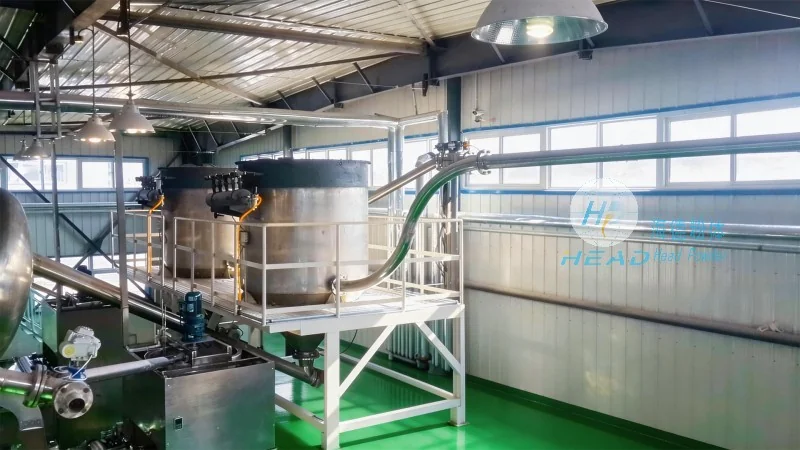
Hot dry ash material conveying systems are indispensable in modern industrial settings, providing efficient and safe means of handling hot ash materials. With the expertise of companies like Shandong HeadPowder Engineering Co., Ltd., these systems can be tailored to meet the specific requirements of various applications, ensuring optimal performance and compliance with environmental standards. The continuous advancement of technology in this field further enhances the capabilities of such systems, making them a vital component of sustainable industrial operations.