

Principle and Working Scene Characteristics of Material Mixing and Conveying Lines for Ingredient Pr
HeadPowder, a leading engineering firm based in Shandong, China, specializes in the design and implementation of advanced material handling systems tailored for ingredient preparation processes. This article explores the core principles of material mixing and conveying lines, examining their operational mechanisms and the diverse industrial scenarios where they are applied.
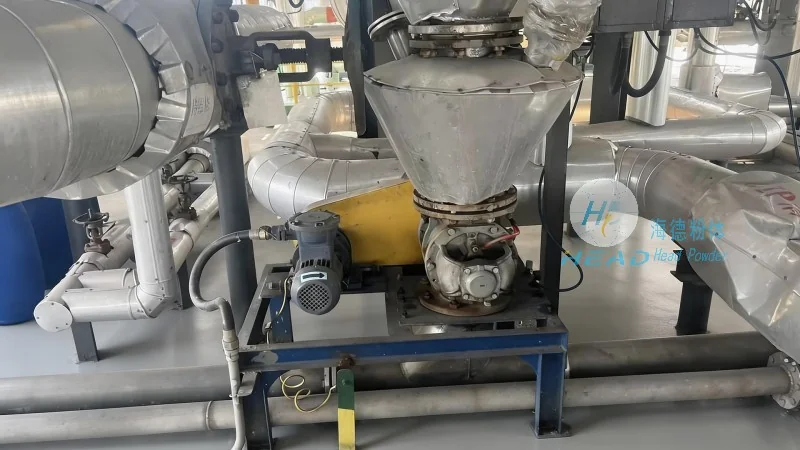
Introduction to Material Mixing and Conveying Lines
Material mixing and conveying lines are critical components in industries like food processing, pharmaceuticals, and chemical manufacturing. These systems are engineered to efficiently combine various raw ingredients, ensuring uniformity and consistency in the final product. The core functionality revolves around precise control of material flow, mixing ratios, and processing speed, all of which are essential for maintaining product quality and meeting regulatory standards.
The Principle of Operation
The fundamental principle behind these lines is the integration of mixing and conveying technologies to achieve seamless material handling. The process typically begins with the feeding of individual ingredients into a mixing chamber, where they are combined under controlled conditions. Conveying mechanisms, such as screw conveyors, belt conveyors, or pneumatic systems, then transport the mixed material to subsequent processing stages. The system is designed to maintain a consistent flow rate and mixing ratio, ensuring that each batch meets the specified quality parameters. Advanced control systems, including programmable logic controllers (PLCs) and sensor networks, enable real-time monitoring and adjustment, optimizing performance and minimizing variability.
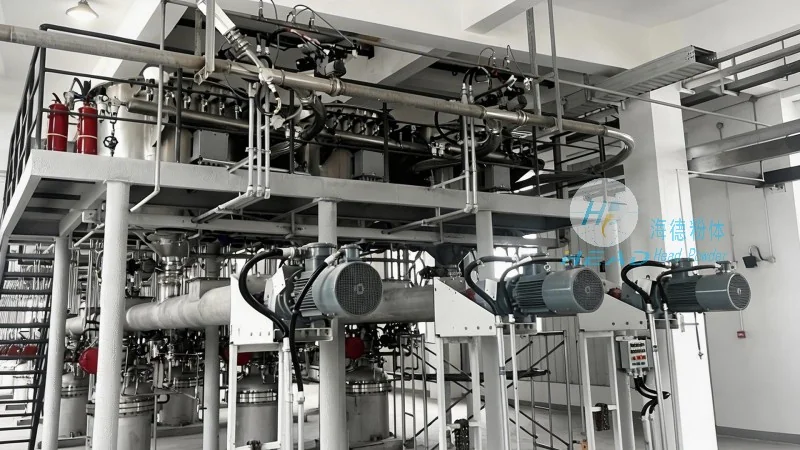
Key Working Scene Characteristics
The application of material mixing and conveying lines varies significantly across different industrial environments. In food processing, these systems are used to blend spices, sugars, and other dry ingredients for baked goods or beverages. The working scene often involves high hygiene standards, with stainless steel components and easy-to-clean designs to prevent contamination. In pharmaceutical manufacturing, the focus shifts to precision and sterility, with closed-loop systems and automated controls to minimize human intervention and ensure batch-to-batch consistency. The chemical sector benefits from these systems in the production of fertilizers, pigments, and other bulk chemicals, where robust construction and corrosion-resistant materials are required to withstand harsh environments.
In industrial applications, the lines may handle a wide range of materials, from powders and granules to liquids and slurries. The working scene may also involve integration with other processing equipment, such as granulators or mixers, to form a comprehensive production line. This integration enhances efficiency by reducing material handling time and minimizing the risk of product degradation. The design of these systems is tailored to the specific characteristics of the materials being processed, ensuring optimal performance and longevity.
Advantages and Practical Applications
HeadPowder's expertise in designing material mixing and conveying lines offers several advantages to businesses. The systems are scalable, allowing customization to meet the specific needs of different production volumes and ingredient types. They also enhance operational efficiency by automating the mixing and conveying processes, reducing labor costs and minimizing human error. Additionally, the use of advanced control systems enables real-time monitoring and adjustment, ensuring optimal performance and product quality. These benefits translate into improved productivity, reduced waste, and enhanced customer satisfaction.
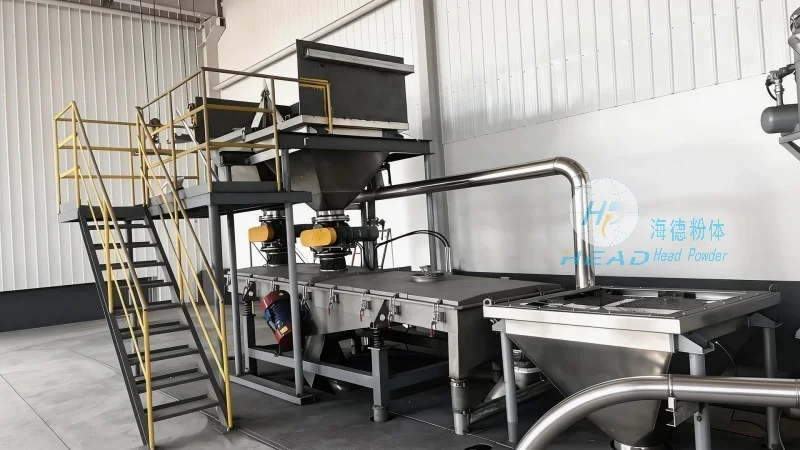
Practical applications of these lines include the production of food products like cereals, snacks, and beverages, where consistent ingredient blending is essential for flavor and texture. In the pharmaceutical industry, they are crucial for manufacturing tablets, capsules, and powders, where uniformity directly impacts efficacy and safety. The chemical sector benefits from these systems in the production of fertilizers, pigments, and other bulk chemicals, where precise mixing ratios are critical for product performance. These applications demonstrate the versatility and effectiveness of material mixing and conveying lines in modern manufacturing.
Conclusion
Material mixing and conveying lines represent a sophisticated solution for ingredient preparation in various industries. By understanding the underlying principles and working scene characteristics, businesses can leverage these systems to enhance productivity, maintain product quality, and comply with industry regulations. HeadPowder, with its strong presence in Shandong, China, continues to provide tailored solutions that meet the evolving demands of modern manufacturing, ensuring that clients achieve their production goals efficiently and reliably.