

Principle and Working Scene Characteristics of Tailings Powder Slag Pneumatic Conveying
HeadPowder, a leading engineering firm based in Shandong, China, specializes in the design and implementation of advanced pneumatic conveying systems for tailings powder and slag materials. This article delves into the fundamental principles of tailings powder slag pneumatic conveying and highlights the key characteristics of its operational scenarios, providing a comprehensive overview for industry professionals and potential clients.
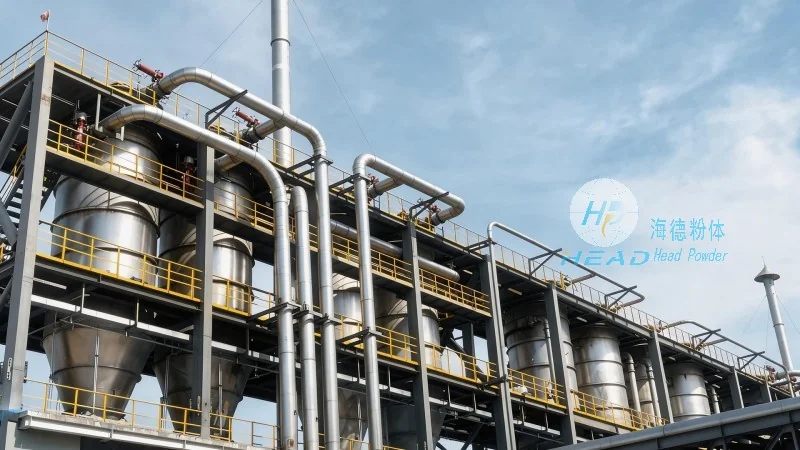
Understanding Pneumatic Conveying: The Core Principle
Pneumatic conveying is a technology that utilizes air or gas to transport bulk materials, such as tailings powder and slag, through a pipeline system. The process involves creating a pressure differential between the inlet and outlet of the conveying line, which propels the material forward. There are two primary types of pneumatic conveying systems: dilute-phase and dense-phase. Dilute-phase systems operate at higher velocities, typically transporting materials in a suspended state, while dense-phase systems use lower velocities and higher pressure to move material in a more compacted form. For tailings powder and slag, which often have varying particle sizes and moisture content, the choice of system depends on the specific material properties and the required conveying distance and efficiency.
Key Working Scene Characteristics of Tailings Powder Slag Pneumatic Conveying
The operational scenarios for tailings powder slag pneumatic conveying are diverse and tailored to the unique challenges of mining and processing industries. These systems are commonly employed in scenarios where traditional mechanical conveying methods, such as belt conveyors or bucket elevators, are impractical or inefficient. For instance, in mining operations, tailings from ore processing plants need to be transported to disposal sites or reclamation areas. Pneumatic conveying systems offer a flexible solution for this, as they can handle long distances, complex layouts, and varying material flow rates without the need for extensive infrastructure modifications.
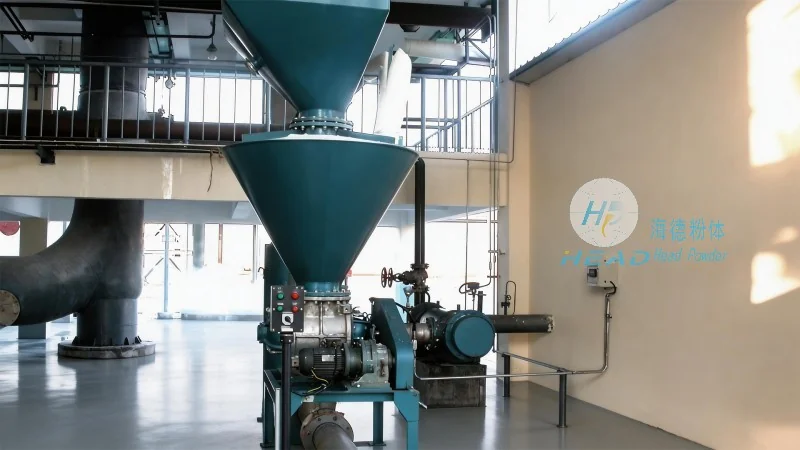
Another critical application is in the processing of slag from steel and cement production. Slag, often in the form of fine powders, requires efficient transport to storage or further processing facilities. Pneumatic conveying systems excel in this context by minimizing material degradation and ensuring consistent flow, which is essential for maintaining product quality. The working scene characteristics also include the ability to handle abrasive materials, as tailings and slag can be highly abrasive, and the systems are designed with durable components to withstand such conditions.
Advantages and Considerations in Operational Scenarios
When evaluating the suitability of pneumatic conveying systems for tailings powder and slag applications, several advantages and considerations come into play. One of the primary benefits is the flexibility in system design, allowing for customization to meet specific site requirements. This includes the ability to integrate with existing infrastructure and adapt to changes in material characteristics over time. Additionally, pneumatic conveying systems can reduce labor costs and improve safety by eliminating the need for manual handling of bulk materials, which is particularly important in hazardous environments where tailings may contain toxic or radioactive components.
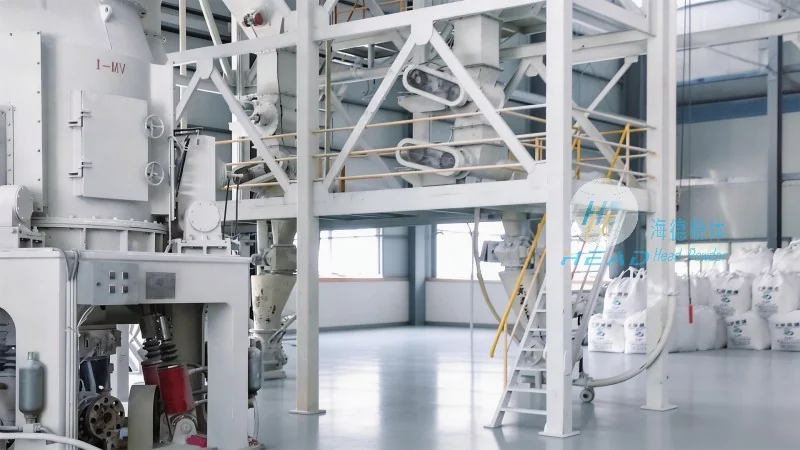
However, operational scenarios also present challenges that must be addressed. For example, the moisture content of tailings can affect the conveying efficiency, as high moisture levels may lead to clogging or reduced material flow. Proper system design, including the use of drying or conditioning equipment, is essential to mitigate these issues. Furthermore, the energy consumption of pneumatic conveying systems is a key consideration, as higher velocities and pressures increase operational costs. Optimizing system parameters, such as air velocity and pressure, can help balance efficiency and cost in long-term operational scenarios.
Conclusion: Tailings Powder Slag Pneumatic Conveying as a Sustainable Solution
HeadPowder Engineering Co., Ltd., with its headquarters in Shandong, China, leverages its expertise in pneumatic conveying technology to provide tailored solutions for the transportation of tailings powder and slag. By understanding the fundamental principles and operational characteristics of these systems, industries can enhance their material handling processes, improve safety, and reduce operational costs. The adaptability and efficiency of pneumatic conveying systems make them a valuable asset in modern mining and processing operations, contributing to more sustainable and effective material management strategies.