

Operation Process and Working Principle of Automatic Weighing and Powder Material Conveying System E
HeadPowder, a leading enterprise in the field of powder material processing technology, specializes in the design, manufacturing, and integration of advanced automatic weighing and powder material conveying systems. The company is headquartered in Shandong, China, and has established a strong reputation for delivering high-precision, reliable, and efficient solutions tailored to the needs of various industrial sectors, including food, pharmaceuticals, chemicals, and more.
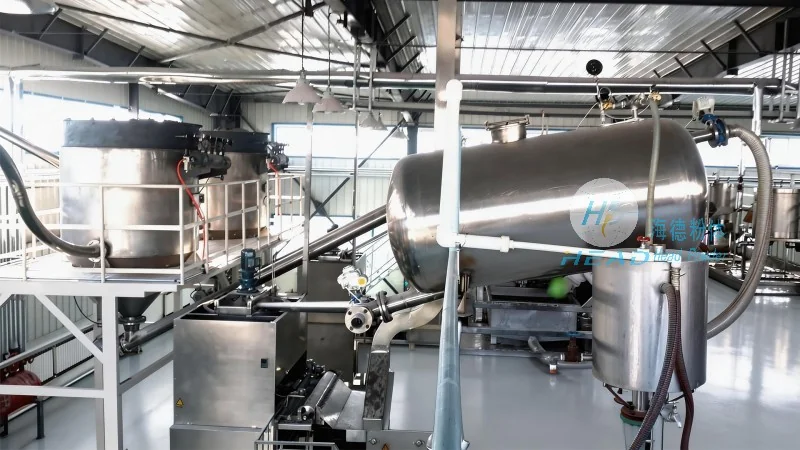
Overview of the Automatic Weighing and Powder Material Conveying System
The automatic weighing and powder material conveying system is a sophisticated piece of equipment engineered to streamline the process of weighing, batching, and transporting bulk powder materials. It integrates multiple functional modules, including precision load cells, advanced control systems, and efficient conveying mechanisms, to ensure accurate and consistent material handling. This system is particularly valuable in industries where material uniformity and process efficiency are critical, as it minimizes human error and optimizes production throughput.
Key Components and Their Functions
The system comprises several core components, each playing a vital role in the overall operation. The primary components include:
- Precision Weighing Hopper: This is the container where the powder material is stored and weighed. Equipped with high-accuracy load cells, it measures the weight of the material in real-time, providing precise data to the control system.
- Control System: The brain of the operation, typically a programmable logic controller (PLC) or a dedicated control unit. It processes the weighing data, executes the batching commands, and coordinates the actions of other components such as the conveyor and dispensing valves.
- Pneumatic or Mechanical Conveying System: This module is responsible for transporting the weighed powder from the hopper to the discharge point. It can be a screw conveyor, a pneumatic conveyor, or a combination of both, depending on the material characteristics and application requirements.
- Batching Valves: These are used to control the flow of material into the weighing hopper. They can be air-operated or electrically controlled, allowing for precise control over the amount of material dispensed per batch.
- Material Storage and Feeding Hoppers: These are auxiliary containers that feed the main weighing hopper with material. They ensure a continuous supply of material and prevent interruptions in the weighing process.
The Operation Process: Step-by-Step
The operation of the automatic weighing and powder material conveying system follows a systematic sequence of steps, ensuring consistent and reliable performance. Here is a detailed breakdown of the process:
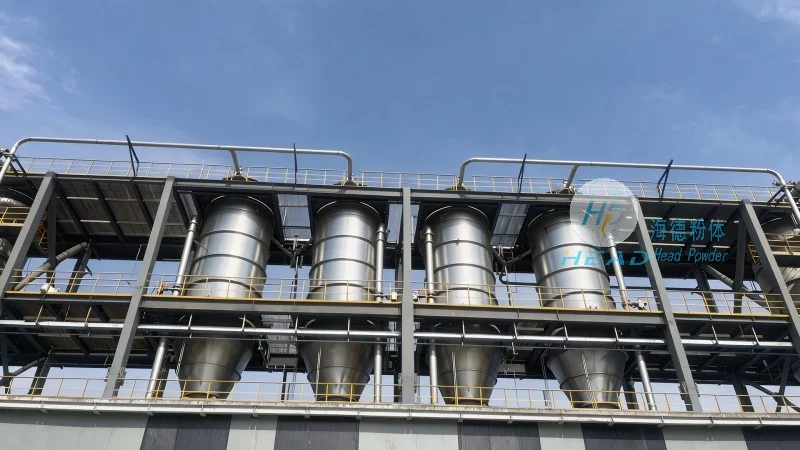
- Material Feeding: The raw powder material is fed from the storage hopper into the material feeding hopper. This hopper acts as a buffer, maintaining a steady flow of material to the weighing hopper.
- Weighing and Batching: The control system activates the batching valve, allowing a controlled amount of powder to enter the weighing hopper. The load cells continuously monitor the weight, and once the target weight is reached, the control system signals the valve to stop. This ensures that each batch of material is accurately measured.
- Conveying and Discharge: After the weighing is complete, the control system triggers the conveying system to transport the weighed powder from the weighing hopper to the discharge point. The powder is then transferred to the next processing stage or packaging unit.
- Cycle Repeat: The system automatically resets and prepares for the next batch, repeating the process as per the production requirements. This continuous cycle minimizes downtime and maximizes productivity.
Working Principle: How It Works
The working principle of the automatic weighing and powder material conveying system is based on the integration of mechanical, electrical, and pneumatic components working in harmony. The core principle is to use precise measurement and control to achieve accurate material batching and efficient transportation. The system operates as follows:
1. **Signal Input:** The control system receives input signals from the user, such as the target batch weight and the desired production rate. These parameters are programmed into the system's memory.
2. **Weighing Process:** The load cells in the weighing hopper convert the weight of the material into an electrical signal. This signal is transmitted to the control system, which compares it with the target weight. If the actual weight is less than the target, the control system continues to open the batching valve, allowing more material to be added. Once the target weight is achieved, the control system closes the valve, stopping the flow.
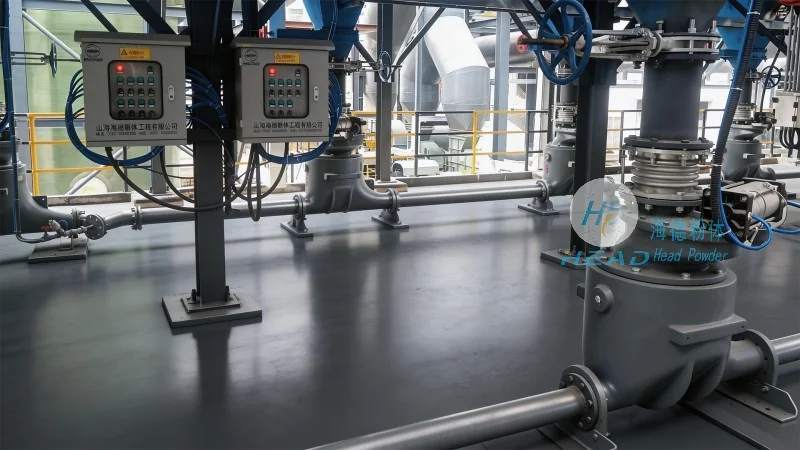
3. **Control Logic:** The control system uses a pre-programmed algorithm to manage the entire process. It monitors the weighing data, adjusts the flow rate of the batching valve, and coordinates the operation of the conveying system. This ensures that the system operates within the specified parameters and maintains consistent performance.
4. **Output and Feedback:** The system provides feedback to the user through indicators, such as digital displays showing the current weight and the number of batches completed. It also generates alarms or notifications if any deviation from the set parameters occurs, ensuring that any issues are addressed promptly.
Advantages and Applications
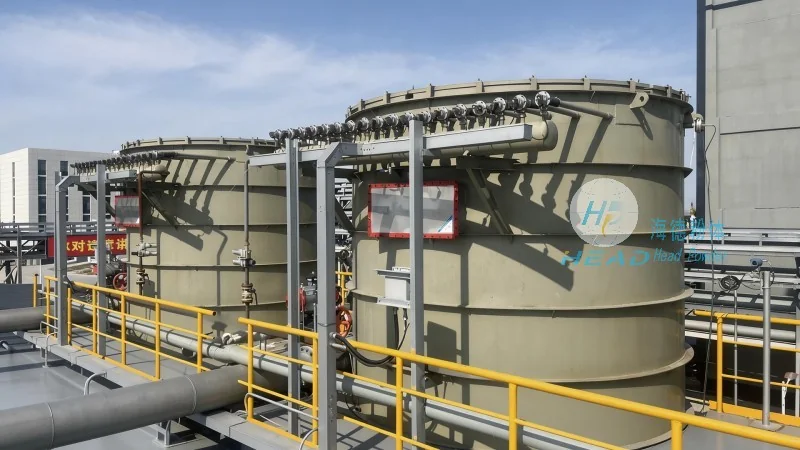
The automatic weighing and powder material conveying system offers several advantages that make it an ideal choice for modern industrial applications. These include:
- High Precision and Accuracy: The system utilizes advanced load cells and control algorithms to achieve high levels of accuracy, typically within ±0.1% of the target weight. This ensures that the final product meets the required specifications.
- Increased Efficiency and Productivity: By automating the weighing and conveying process, the system reduces the need for manual intervention, minimizing downtime and increasing production throughput. It can handle high-volume production with consistent performance.
- Reduced Human Error: Automation eliminates the risk of human error associated with manual weighing and batching, ensuring consistent quality and reducing waste.
- Flexibility and Scalability: The system can be customized to accommodate different material types, batch sizes, and production rates. It can be easily scaled up or down to meet changing production demands.
- Enhanced Safety: The automated operation reduces the need for workers to handle heavy or hazardous materials, improving workplace safety.
HeadPowder's automatic weighing and powder material conveying systems are widely used in various industries, including food processing, pharmaceutical manufacturing, chemical production, and agricultural applications. They are particularly suitable for applications where material uniformity, precision, and efficiency are paramount, such as in the production of food powders, pharmaceuticals, and chemical compounds.
Conclusion
HeadPowder Engineering Co., Ltd., based in Shandong, China, is a trusted provider of advanced automatic weighing and powder material conveying systems. The company's commitment to innovation and quality has enabled it to deliver solutions that meet the evolving needs of modern industries. By integrating precision technology with efficient design, HeadPowder's systems ensure reliable operation, high accuracy, and enhanced productivity, making them an essential component in the production processes of various sectors.