

Operation Process and Working Principle of Foundry Sand Material Handling Systems
Foundry sand material handling systems are critical components in modern foundry production lines, ensuring efficient and reliable transport of sand materials from storage to processing areas. These systems are designed to handle various types of foundry sand, including green sand, dry sand, and other refractory materials, with precision and minimal downtime. The operation process and working principles of such systems involve several key stages, each contributing to the overall efficiency and productivity of the foundry.
About HeadPowder Engineering Co., Ltd.
HeadPowder, a leading manufacturer in the field of foundry equipment, specializes in the design, development, and production of high-quality material handling systems for the foundry industry. With a strong presence in Shandong, China, HeadPowder Engineering Co., Ltd. has established itself as a trusted partner for foundry operators seeking reliable and efficient sand handling solutions. The company's commitment to innovation and customer satisfaction has enabled it to deliver systems that meet the diverse needs of modern foundry operations.
Operation Process of Foundry Sand Material Handling Systems
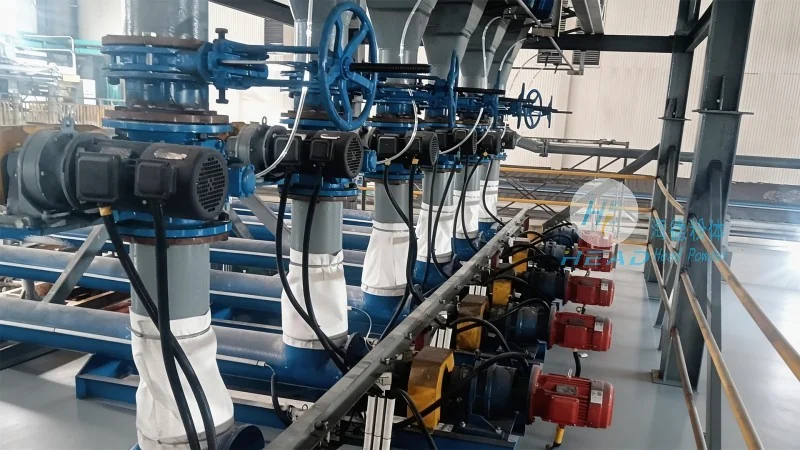
The operation process of a typical foundry sand material handling system begins with the storage of raw sand materials in bulk storage silos or hoppers. From these storage units, the sand is transferred to the primary conveying equipment, such as belt conveyors, screw conveyors, or pneumatic conveying systems. The choice of conveying method depends on the type of sand, the distance to be covered, and the required flow rate. For example, belt conveyors are commonly used for horizontal or slightly inclined transport of bulk materials, while screw conveyors are ideal for vertical or inclined lifting and transport. Pneumatic conveying systems, on the other hand, are suitable for transporting fine or dusty materials over longer distances with minimal maintenance.
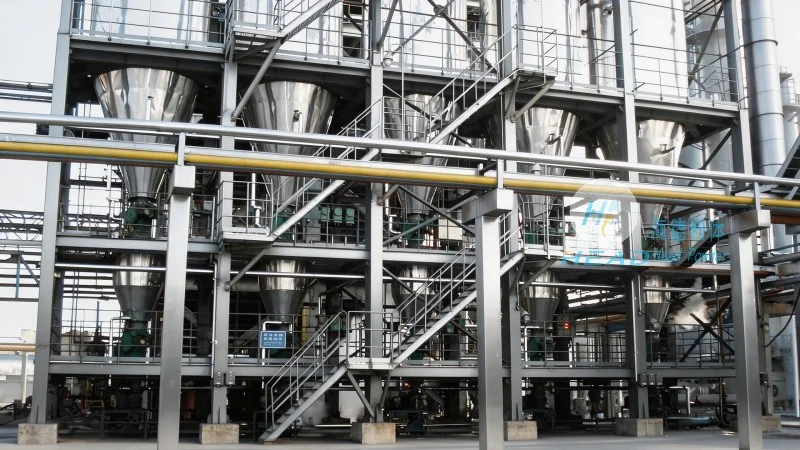
Once the sand is conveyed from the storage area, it moves to the processing or mixing stage. In this stage, the sand may be mixed with binders, additives, or other materials to form the required foundry sand mixture. The mixing process is crucial as it determines the quality and consistency of the final sand product. After mixing, the sand is transported to the molding or casting area, where it is used to create molds or cores. The entire process is typically automated, with sensors and control systems monitoring the flow rate, pressure, and other parameters to ensure smooth operation and prevent blockages or overflows.
Working Principle of Foundry Sand Material Handling Systems
The working principle of a foundry sand material handling system is based on the mechanical or pneumatic transfer of sand from one location to another. The system consists of several interconnected components, including feeders, conveyors, hoppers, and control units. The feeders regulate the flow of sand from the storage silos to the conveying equipment, ensuring a consistent and controlled feed rate. The conveyors then transport the sand through a network of pipes or belts, maintaining the desired velocity and pressure. In pneumatic systems, compressed air is used to create a flow of air and sand particles, while in mechanical systems, motors and gears drive the conveyor belts or screws.
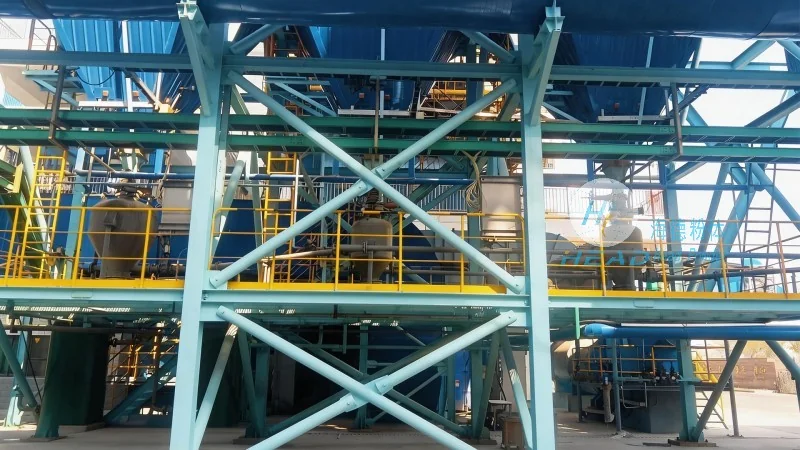
Control systems play a vital role in the operation of these systems, as they monitor and adjust the flow rate, pressure, and other parameters in real-time. Sensors are used to detect the level of sand in the storage silos, the position of the conveyor belts, and the presence of blockages or obstructions. If any issue is detected, the control system automatically triggers alarms or adjusts the operation to prevent damage to the equipment or loss of material. This automation not only improves efficiency but also enhances safety by reducing the risk of human error and accidents.
Key Features and Benefits
HeadPowder's foundry sand material handling systems are equipped with advanced features that enhance their performance and reliability. These features include adjustable speed control, which allows operators to optimize the flow rate based on production demands. The systems also incorporate wear-resistant materials and components to minimize maintenance and extend the service life of the equipment. Additionally, the use of sensors and real-time monitoring enables predictive maintenance, reducing unexpected downtime and lowering operational costs.
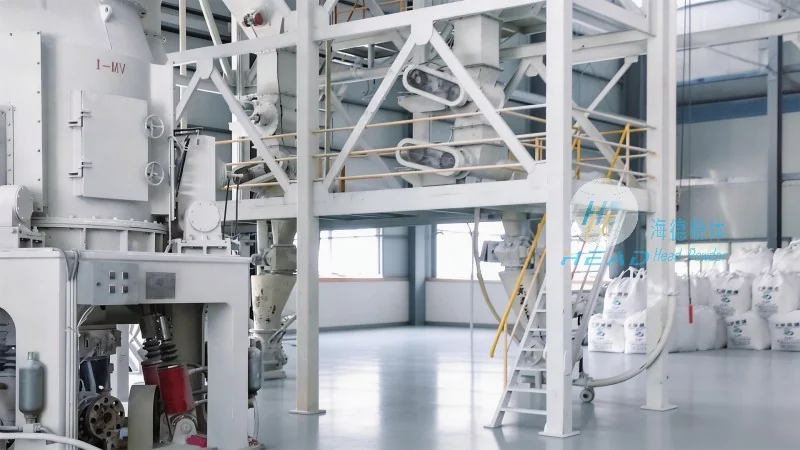
The benefits of using these systems extend beyond efficiency and reliability. By ensuring consistent and uniform sand transport, the systems help maintain the quality of the foundry sand mixture, which is critical for producing high-quality castings. This, in turn, improves the overall productivity of the foundry and reduces waste. Furthermore, the automated control systems enhance safety in the workplace by minimizing the need for manual handling of bulk materials, thereby reducing the risk of injuries.
Conclusion
In conclusion, foundry sand material handling systems are essential for the smooth operation of modern foundry production lines. The operation process involves the transfer of sand from storage to processing and molding areas, while the working principles rely on mechanical or pneumatic methods to achieve this transfer. HeadPowder Engineering Co., Ltd., based in Shandong, China, provides high-quality and reliable systems that meet the needs of foundry operators. By leveraging advanced technology and automation, these systems enhance efficiency, improve product quality, and ensure workplace safety. For foundry operators seeking to optimize their sand handling processes, HeadPowder's systems offer a reliable and effective solution.