

Operation Process and Working Principle of Sodium Sulphate (Glauber's Salt) Material Handling Equipm
HeadPowder, a leading provider of industrial material handling solutions, specializes in equipment designed for the efficient transport of sodium sulphate, commonly known as Glauber's salt. The company, Shandong HeadPowder Engineering Co., Ltd., is based in Shandong, China, and is committed to delivering high-quality, reliable material handling systems for industrial applications. This article explores the operational process and working principles of their sodium sulphate material handling equipment, detailing the key components, control mechanisms, and the systematic approach to ensuring consistent and efficient performance.
Overview of Sodium Sulphate Material Handling Equipment
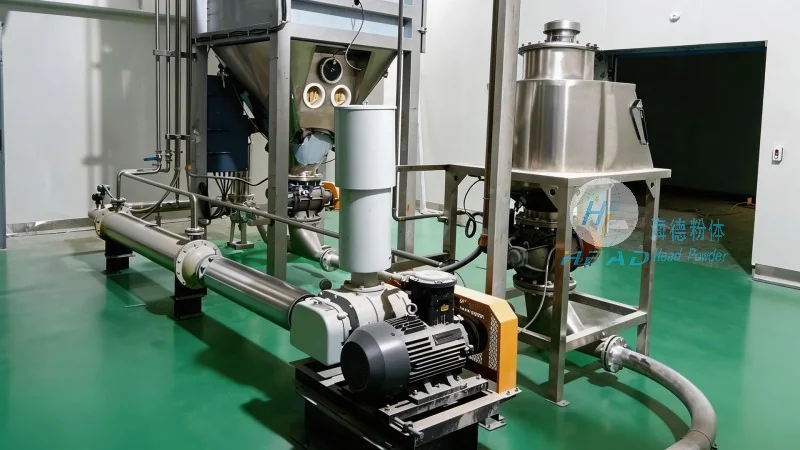
The material handling equipment for sodium sulphate is engineered to handle the material's bulk density, flow characteristics, and potential moisture content. The system integrates feed hoppers, conveyor mechanisms, control panels, and safety features to facilitate seamless material movement from storage to processing or packaging. This design ensures safe, efficient transport while accommodating the unique properties of sodium sulphate, such as its dry, free-flowing nature and moderate bulk density.
Key Components and Their Functions
The equipment comprises several critical components, each with a specific role in the material transport process. The feed hopper serves as the initial intake point, designed with a sloped bottom and discharge valve to regulate material flow and prevent blockages. The conveyor mechanism—typically a belt conveyor for this application—transports the material through the system, guided by the control panel's settings. The control panel houses electrical and electronic systems that manage operation, including start/stop controls, speed adjustments, and safety interlocks. Safety features like emergency stop buttons and overload sensors are integrated to protect personnel and equipment from hazards.
Control System and Operational Logic
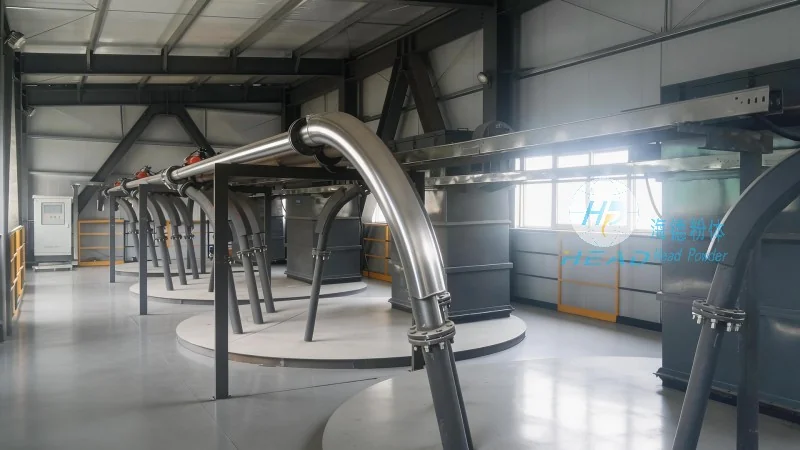
The control system operates on pre-programmed logic to ensure consistent performance. The process begins with the feed hopper releasing sodium sulphate into the conveyor, which moves the material at a predetermined speed. The control panel monitors parameters like hopper material level and conveyor speed, providing real-time feedback. In case of an overload or blockage, the system automatically triggers safety interlocks, stopping the conveyor and alerting the operator. This automated logic minimizes downtime and reduces the risk of material spillage or equipment damage.
Material Flow and Process Integration
The equipment is integrated with the production line to ensure efficient material transfer. The feed hopper's design prevents material bridging or caking, maintaining a steady flow rate. The conveyor is sized to match the required throughput, aligning with downstream processing capacity. For example, in chemical plants, the conveyor speed is adjusted to support processing units, preventing bottlenecks. The control panel allows operators to adjust flow rates in real-time, ensuring the material is delivered as needed without excess accumulation.
Maintenance and Safety Considerations
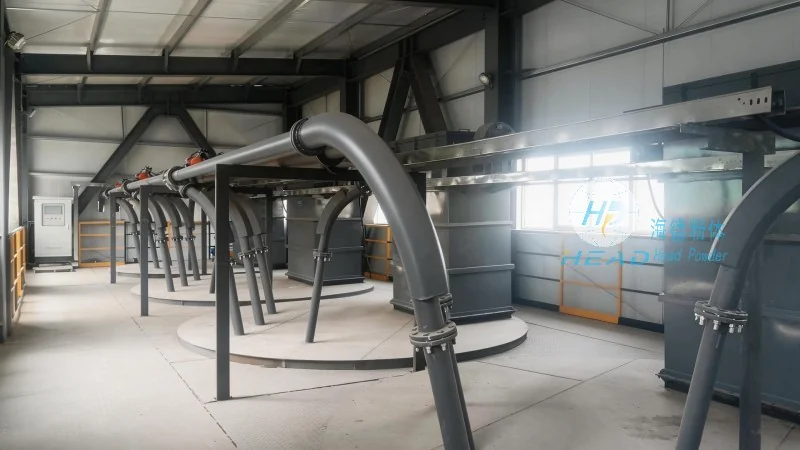
Regular maintenance and safety protocols are essential for long-term reliability. Tasks include inspecting conveyor belts for wear, cleaning the feed hopper to remove buildup, and verifying control system functionality. Protective measures such as dust suppression systems and personal protective equipment (PPE) reduce exposure risks. The equipment features safety guards to prevent contact with moving parts, minimizing injury risks. These measures ensure compliance with safety standards and prolong equipment lifespan.
Performance and Efficiency Metrics
Performance is evaluated through metrics like throughput rate (typically 10–50 tons per hour), material handling efficiency, and energy consumption. The system is designed for consistent throughput and minimal downtime. Energy-efficient motors and optimized conveyor speeds reduce operational costs and environmental impact. These metrics reflect the equipment's ability to meet industrial demands while maintaining reliability and cost-effectiveness.
Application in Industrial Settings
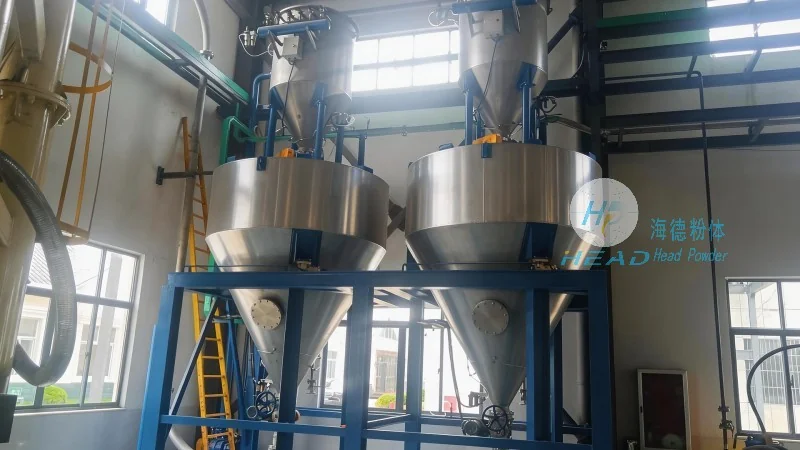
HeadPowder's equipment is used in diverse industries, including chemical plants, food processing facilities, and mining operations. In chemical plants, it transports sodium sulphate to processing units for chemical production or water treatment. In food processing, it handles the material as a food additive, adhering to hygiene and safety standards. In mining, the robust design withstands harsh conditions, transporting material from sites to processing plants. The equipment's adaptability and reliability make it suitable for various industrial sectors.
Conclusion
HeadPowder's sodium sulphate material handling equipment exemplifies a comprehensive approach to industrial material transport. The operational process, involving coordinated feed hoppers, conveyors, and control systems, ensures efficient and reliable movement. Working principles based on mechanical and electrical engineering provide a systematic framework for performance. With a focus on efficiency, safety, and adaptability, the equipment supports smooth production line operations and contributes to overall productivity. As a trusted provider, HeadPowder continues to innovate, delivering tailored solutions that meet specific industrial needs and operational requirements.