

The Operation Process and Working Principle of Quicklime Material Handling Equipment
Quicklime, also known as calcium oxide, is a vital industrial material utilized across diverse sectors including construction, chemical manufacturing, and environmental treatment. Efficient and reliable handling of quicklime is paramount to ensure seamless production workflows and maintain product quality. This article provides a comprehensive overview of the operation process and working principle of quicklime material handling equipment, highlighting key components, operational steps, and technical aspects that contribute to its effective performance.
Key Components of Quicklime Material Handling Systems
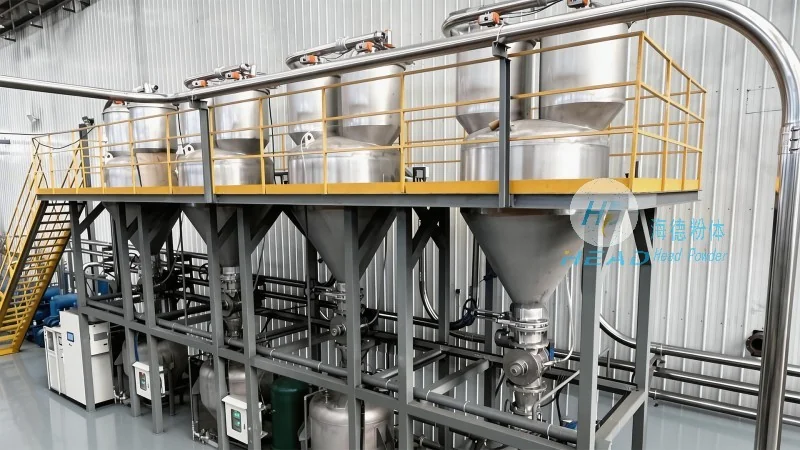
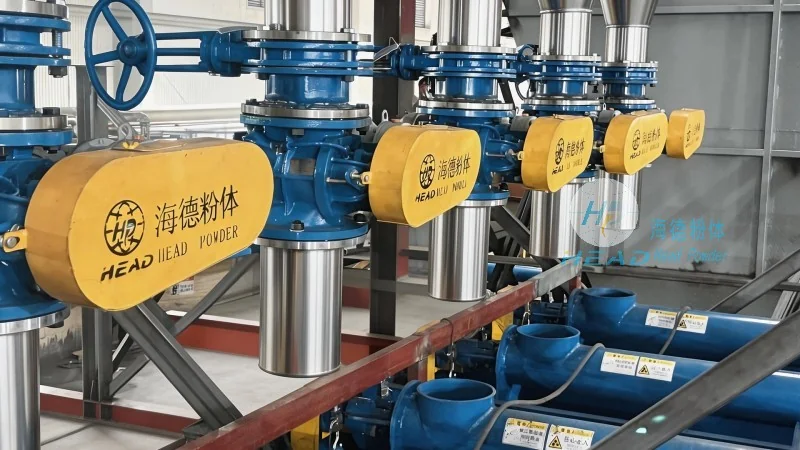
The quicklime material handling equipment typically comprises several interconnected components engineered to handle, transport, and store quicklime. The primary components include feeders, conveyors, storage silos, and control systems. Feeders are responsible for transferring quicklime from storage bins or hoppers into the conveyor system. Common types of feeders include screw feeders, vibratory feeders, and rotary valves, each offering distinct advantages in terms of capacity, control, and material compatibility. Conveyors, such as belt conveyors or pneumatic conveyors, are employed to move quicklime from one location to another within the facility. Storage silos or hoppers are utilized to store quicklime in bulk, providing a stable and controlled environment for the material. Control systems, often integrated with sensors and automation technology, monitor and regulate the flow of quicklime to ensure safe and efficient operation.
Operation Process of Quicklime Material Handling Equipment
The operation process of quicklime material handling equipment involves sequential steps to ensure the material is handled safely and efficiently. The process generally starts with the storage of quicklime in bulk storage silos or hoppers. The quicklime is then fed from the storage container into a feeder, which regulates the flow rate and volume of the material. The feeder subsequently transfers the quicklime to a conveyor system, which transports the material to the desired location, such as a processing unit or a storage area. During the transport process, the conveyor system may include features like incline or decline sections to adjust the height of the material. The material is then discharged from the conveyor into a receiving hopper or storage silo. Control systems play a critical role in monitoring the flow rate, pressure, and temperature of the quicklime to prevent overloading or blockages. Additionally, safety features such as emergency stop buttons, overload protection, and dust suppression systems are integrated into the equipment to ensure safe operation.
Working Principle of Quicklime Material Handling Equipment
The working principle of quicklime material handling equipment is based on mechanical and pneumatic systems that collaborate to transport the material. Mechanical systems, such as belt conveyors and screw conveyors, utilize rotating components to move the quicklime along a path. Belt conveyors consist of a continuous belt that moves over rollers, with the quicklime placed on the belt and carried to the end. Screw conveyors use a rotating screw to push the quicklime forward through a tube or trough. Pneumatic systems, also known as air conveyors, employ compressed air to transport quicklime in a sealed pipeline. The quicklime is placed in a hopper and then drawn into the pipeline by the air flow, moving to the destination. The choice of system depends on factors such as the material's properties, the distance to be transported, and the required capacity. For quicklime, which is a dry, fine powder, mechanical systems are often preferred due to their ability to handle the material without generating excessive dust or causing blockages.
Advantages of Using Quicklime Material Handling Equipment
Efficient quicklime material handling equipment offers several advantages that contribute to improved productivity and safety in industrial operations. First, it ensures consistent and controlled flow of quicklime, reducing the risk of material buildup or overloading. This leads to smoother production processes and reduced downtime. Second, the equipment is designed to handle the material safely, minimizing the risk of dust exposure and other health hazards. Third, the use of automation and control systems allows for precise monitoring and adjustment of the material flow, optimizing the operation and reducing energy consumption. Fourth, the equipment is durable and reliable, with components designed to withstand the corrosive and abrasive nature of quicklime, ensuring long-term performance and low maintenance costs.
Application Examples in Industrial Settings
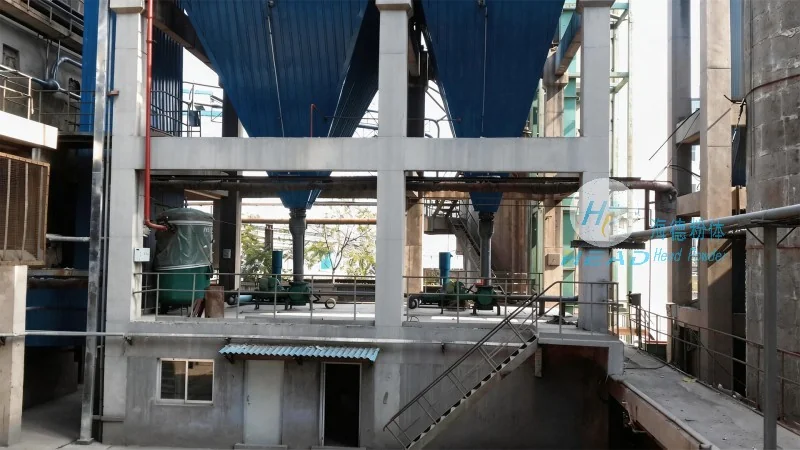
Quicklime material handling equipment is widely utilized in various industrial applications. In the construction industry, quicklime is used as a raw material for cement production and as a component in concrete and mortar. The equipment is used to transport quicklime from storage to the cement production plant, ensuring a steady supply of the material. In the chemical industry, quicklime is used in the production of calcium-based chemicals, such as calcium hydroxide and calcium chloride. The equipment is used to handle quicklime in the chemical processing plant, ensuring safe and efficient transport. In the environmental industry, quicklime is used for flue gas desulfurization and water treatment. The equipment is used to transport quicklime to the treatment facilities, ensuring the material is delivered in the correct quantity and at the right time.
Conclusion and Company Information
Quicklime material handling equipment is a critical component in industrial operations, ensuring the safe and efficient transport of this essential material. The operation process and working principle of such equipment involve a combination of mechanical and pneumatic systems, designed to handle the unique properties of quicklime. By understanding the key components, operational steps, and technical aspects of quicklime material handling equipment, industrial facilities can optimize their processes and improve overall productivity. As a leading manufacturer of quicklime material handling equipment, Shandong HeadPowder Engineering Co., Ltd. provides high-quality, reliable equipment tailored to the specific needs of industrial applications. With a focus on safety, efficiency, and durability, HeadPowder offers solutions that meet the demands of modern industrial operations.