

Operation Process and Working Principle of Glass Fiber Material Handling Equipment
Glass fiber material handling equipment plays a crucial role in modern industrial operations, particularly in the processing and transportation of glass fiber materials. These specialized systems are designed to efficiently manage the flow of glass fiber products, ensuring smooth and reliable material movement from production lines to storage or processing stages. The equipment is engineered to handle the unique properties of glass fiber, such as its lightweight yet strong nature, and the need for precise control during handling to prevent damage or contamination.
Key Components and Their Functions
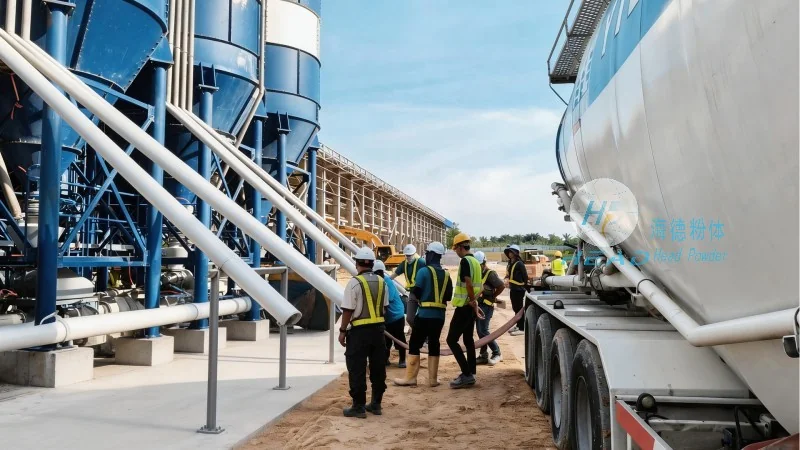
The operation of glass fiber material handling equipment involves several key components that work in tandem to achieve optimal performance. These components include feed mechanisms, conveyor systems, control panels, and safety features. The feed mechanism is responsible for introducing the glass fiber material into the system, ensuring a consistent and controlled flow. The conveyor system, often equipped with specialized belts or rollers, transports the material through the equipment, maintaining the integrity of the fibers. The control panel allows operators to monitor and adjust the system parameters, such as speed and direction, to adapt to varying material loads and processing requirements. Safety features, including sensors and emergency stop buttons, are integrated to protect both the equipment and personnel from potential hazards during operation.
Operation Process: Step-by-Step Overview
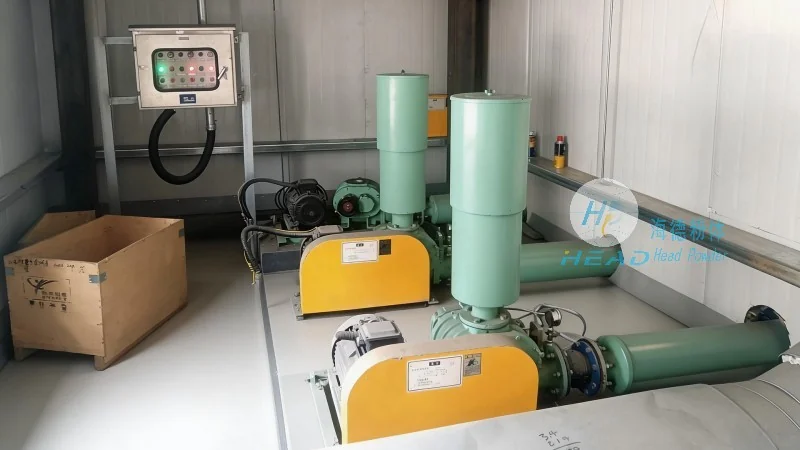
The operation of glass fiber material handling equipment typically follows a systematic process to ensure efficient material handling. The process begins with the loading of glass fiber material into the feed hopper or input section of the equipment. The feed mechanism then activates, moving the material into the conveyor system. As the material travels through the conveyor, it may undergo additional processing steps, such as sorting or cleaning, depending on the specific application. The conveyor system transports the material to the output section, where it is discharged into a storage container or transferred to the next stage of production. Throughout the operation, the control panel continuously monitors the system's performance, adjusting parameters as needed to maintain optimal flow and prevent bottlenecks or jams.
Working Principle: How the Equipment Operates
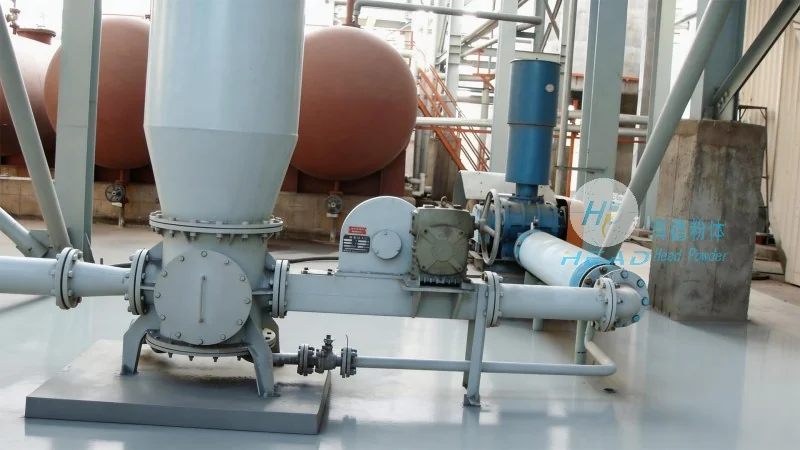
The working principle of glass fiber material handling equipment is based on mechanical and hydraulic systems that work together to facilitate material movement. The feed mechanism uses gravity or mechanical force to introduce the glass fiber into the system, while the conveyor system utilizes motor-driven belts or rollers to transport the material. The control panel processes input signals from sensors and operator commands to regulate the speed and direction of the conveyor. Safety sensors detect any obstructions or abnormalities in the material flow, triggering emergency stops to prevent damage to the equipment or injury to personnel. The entire system is designed to operate with minimal human intervention, ensuring consistent and reliable performance while maintaining the quality of the glass fiber material.
About HeadPowder: Your Trusted Partner in Material Handling Solutions
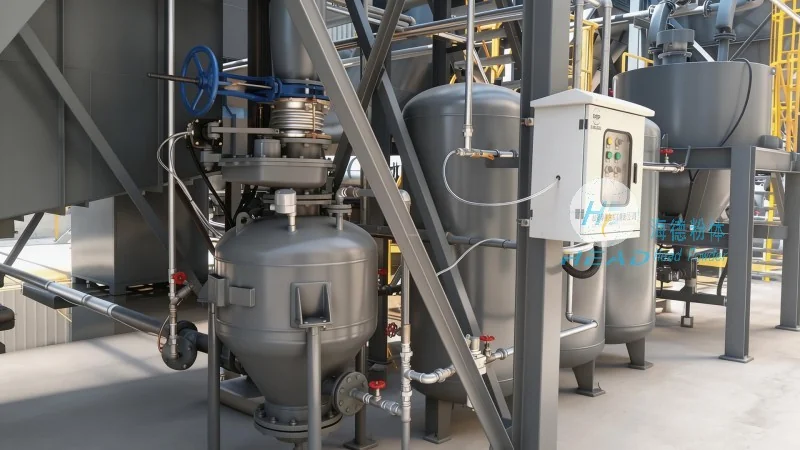
HeadPowder, a leading manufacturer of industrial material handling equipment, specializes in providing high-quality solutions for the glass fiber industry. With years of experience and a commitment to innovation, HeadPowder has developed advanced glass fiber material handling systems that meet the demanding requirements of modern manufacturing processes. The company's products are engineered to enhance efficiency, reduce downtime, and improve overall productivity in glass fiber processing facilities. HeadPowder's team of experts works closely with clients to understand their specific needs and provide customized solutions that optimize material flow and operational performance. Based in Shandong, China, HeadPowder leverages its local expertise and manufacturing capabilities to deliver reliable and cost-effective equipment to customers worldwide.