

Clay Pneumatic Conveying System Equipment Introduction and Structural Principle Overview
HeadPowder, a leading provider in the field of material handling solutions, specializes in the design, manufacturing, and installation of advanced pneumatic conveying systems. Based in Shandong, China, the company has established itself as a trusted partner for industries requiring efficient and reliable transport of bulk materials, including clay and other fine powders. This article provides an overview of the key equipment used in clay pneumatic conveying systems, along with a detailed explanation of their structural principles and operational mechanisms.
Company Profile and Background
HeadPowder Engineering Co., Ltd. is a professional enterprise dedicated to the research, development, and production of pneumatic conveying equipment. The company, operating under the brand name HeadPowder, is headquartered in Shandong, China. With a strong commitment to innovation and quality, HeadPowder has become a prominent name in the material handling industry, serving clients across various sectors such as ceramics, construction, and chemical processing. The company's expertise lies in customizing and optimizing pneumatic conveying systems to meet the specific needs of clients, ensuring efficient material transport while maintaining product integrity and safety.
Introduction to Clay Pneumatic Conveying Systems
Pneumatic conveying systems are widely used for the transport of bulk materials like clay, which are often characterized by their fine particle size and potential for dust generation. These systems utilize compressed air to move materials through a network of pipes, eliminating the need for mechanical components such as belts or buckets. The primary goal of a clay pneumatic conveying system is to transport clay from its source to a processing or storage location with minimal loss, contamination, and energy consumption. The effectiveness of such systems depends heavily on the quality of the equipment used, including feeders, airlocks, and conveying lines.
Key Equipment Components and Their Functions
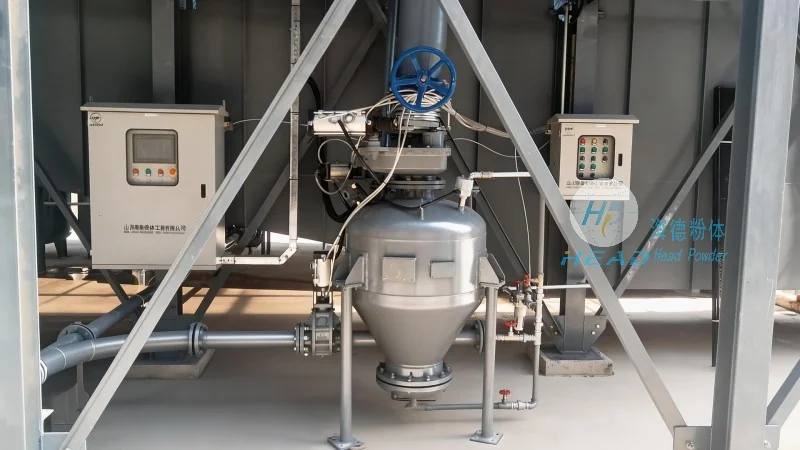
The clay pneumatic conveying system typically consists of several critical components, each playing a vital role in the overall operation. The main equipment includes the material feeder, which ensures a consistent and controlled flow of clay into the system; the airlock, which prevents backflow and maintains pressure differentials; the conveying line, which transports the material through the system; and the receiver, which collects the material at the destination. Each component is designed to work in harmony to achieve efficient material transport.
Structural Principles of the Pneumatic Conveying System
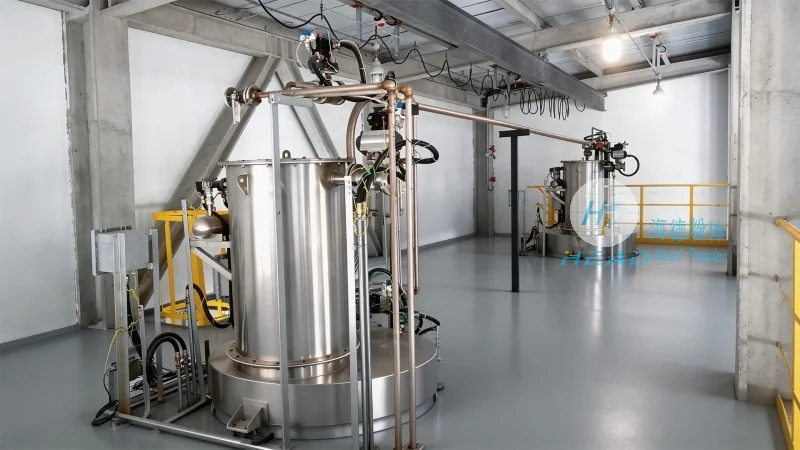
The structural design of a clay pneumatic conveying system is based on the principles of fluid dynamics and material handling. The system operates by creating a pressure differential between the inlet and outlet of the conveying line. Compressed air is introduced at the inlet, where it mixes with the clay particles, forming a slurry or a suspension that is then propelled through the pipes. The design of the conveying line, including its diameter, length, and bends, is crucial for maintaining the flow velocity and preventing material deposition or blockages. The airlock, often a rotary or sliding type, is designed to handle the material and air mixture, ensuring that only the material is discharged while preventing air leakage.
Working Principle and Operational Mechanism
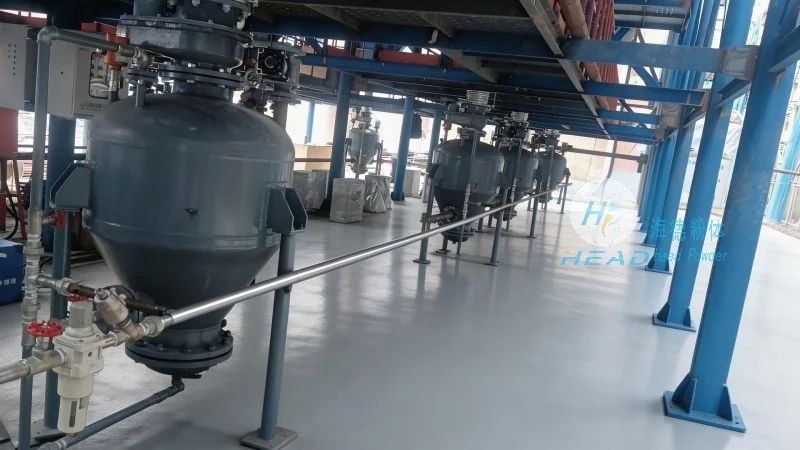
The operation of a clay pneumatic conveying system begins with the material being fed into the system through a feeder. The feeder controls the flow rate, ensuring a steady supply of clay to the airlock. The airlock then mixes the clay with compressed air, creating a homogeneous mixture. This mixture is then introduced into the conveying line, where the air velocity is sufficient to keep the clay particles suspended and move them to the receiver. The receiver, typically a hopper or a storage tank, collects the clay as it is discharged from the system. The system maintains a continuous flow by adjusting the air pressure and flow rate as needed, ensuring that the material is transported efficiently and without interruption.
Technical Advantages and Performance Characteristics
Clay pneumatic conveying systems offer several advantages over traditional mechanical conveying methods. These include reduced material degradation due to minimal contact with mechanical parts, lower maintenance costs as there are fewer moving parts, and the ability to transport materials over long distances without the need for intermediate storage. The systems are also highly flexible, allowing for easy integration with existing production lines and modifications to accommodate changes in material properties or processing requirements. HeadPowder's equipment is designed to maximize these advantages, ensuring high efficiency, reliability, and durability in various operational conditions.
Application Scenarios and Industry Use Cases
The clay pneumatic conveying systems manufactured by HeadPowder are widely used in industries where the handling of fine powders is essential. In the ceramics industry, for example, these systems are used to transport clay from storage to production lines, ensuring a consistent supply of raw material for tile and brick manufacturing. In the construction industry, they are used to transport clay for brick production or as a raw material in cement manufacturing. The systems are also utilized in chemical processing plants for the transport of clay-based products or as part of dust collection systems. The versatility of the HeadPowder systems makes them suitable for a wide range of applications, providing reliable material transport solutions for various industries.
Conclusion and Future Outlook
HeadPowder Engineering Co., Ltd. continues to innovate and improve its clay pneumatic conveying systems, focusing on enhancing efficiency, reducing energy consumption, and ensuring environmental compliance. The company's commitment to quality and customer satisfaction has made it a preferred choice for clients seeking reliable material handling solutions. As the demand for efficient and sustainable material transport increases, HeadPowder's advanced pneumatic conveying systems are well-positioned to meet the evolving needs of the industry, providing long-term value and operational excellence.