

Introduction to Light Calcium Gas-Pneumatic Conveying System Equipment and Its Structural Principles
Light calcium, also known as precipitated calcium carbonate (PCC), is a widely used industrial material in various sectors such as papermaking, plastics, and coatings. The efficient and reliable transportation of light calcium is crucial for industrial production processes. This article provides an overview of the light calcium gas-pneumatic conveying system, focusing on its equipment components and operational principles.
Company Profile and Background
Shandong HeadPowder Engineering Co., Ltd., operating under the brand name headpowder, is a professional manufacturer specializing in powder handling and conveying solutions. With a strong commitment to technological innovation and quality assurance, the company has established itself as a trusted provider of advanced material handling systems. HeadPowder is headquartered in Shandong, China, where it leverages local resources and expertise to develop cutting-edge solutions tailored to the needs of the powder processing industry.
Overview of the Light Calcium Gas-Pneumatic Conveying System
The light calcium gas-pneumatic conveying system is a sophisticated equipment designed to transport light calcium powder through a pneumatic system. This system utilizes compressed air to move the material from the source to the destination, eliminating the need for mechanical components like belts or screws. The system is particularly suitable for handling light calcium due to its low density and fine particle size, which can be challenging to transport using traditional methods.
Key Equipment Components and Structural Design
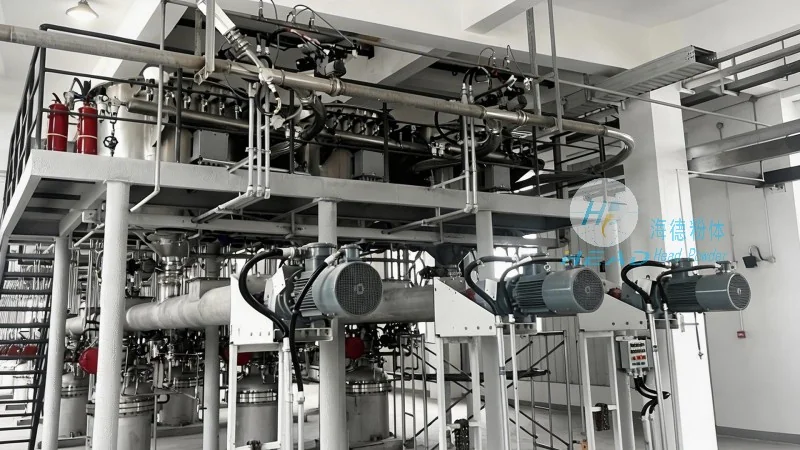
The light calcium gas-pneumatic conveying system consists of several critical components, each playing a vital role in the overall operation. The main components include:
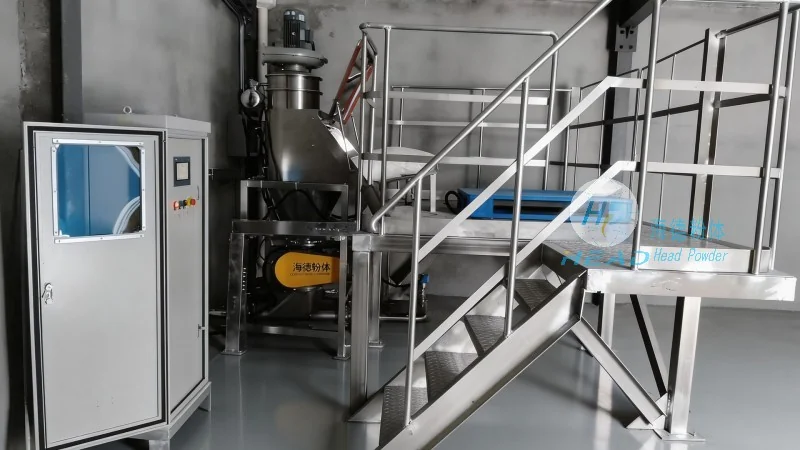
- Feeding Unit: This component is responsible for feeding the light calcium powder into the system. It typically features a hopper with a rotary valve or a star feeder to control the flow rate and ensure a consistent feed.
- Compressor and Air Treatment System: The compressor generates the necessary compressed air, which is then filtered and dried to remove moisture and contaminants. This ensures the air quality is suitable for transporting light calcium without causing degradation or clogging.
- Conveying Pipeline: The pipeline is made of materials resistant to corrosion and abrasion, such as stainless steel or plastic, to withstand the abrasive nature of light calcium particles. The pipeline is designed with appropriate bends and fittings to maintain the air flow and prevent pressure loss.
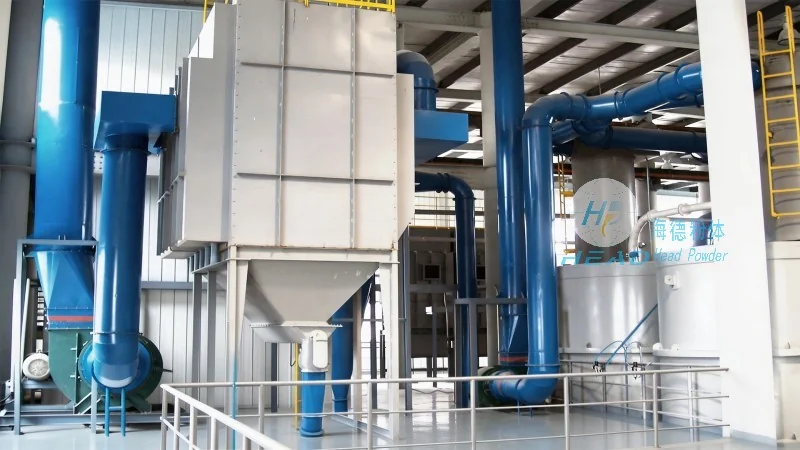
- Separation and Collection Unit: At the receiving end, the system includes a separator to separate the light calcium powder from the air stream. This unit typically consists of a cyclone or a bag filter, which captures the powder and returns it to the process or storage area.
Operational Principles and Working Mechanism
The operation of the light calcium gas-pneumatic conveying system follows a straightforward yet efficient mechanism. The process begins with the feeding unit delivering light calcium powder into the pipeline. Simultaneously, the compressor supplies compressed air into the pipeline, creating a high-velocity air stream. The air stream entrains the light calcium particles, forming a dense phase or dilute phase flow, depending on the system design and operating conditions.
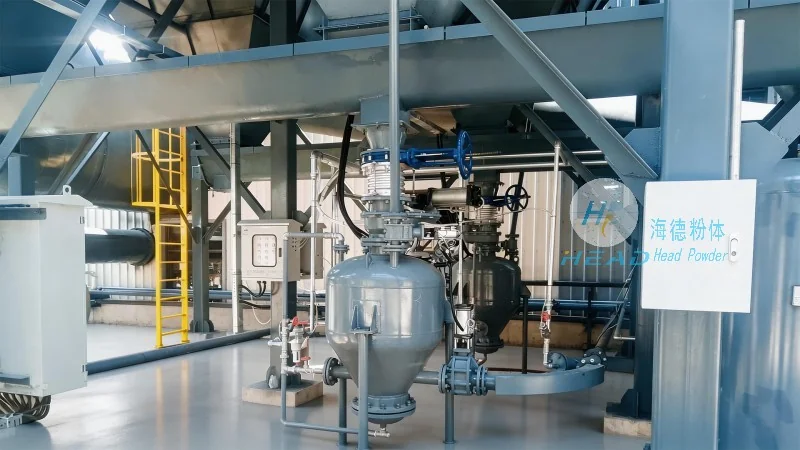
In the dense phase conveying mode, the air velocity is relatively low, and the powder is carried in a slurry-like state, which reduces particle attrition and improves system efficiency. In the dilute phase mode, the air velocity is higher, and the powder is transported as individual particles, which is suitable for longer distances or when handling finer powders. The air and powder mixture travels through the pipeline to the destination, where the separation unit removes the powder from the air stream.
Technical Advantages and Applications
The light calcium gas-pneumatic conveying system offers several advantages over traditional mechanical conveying methods. Firstly, it eliminates the need for moving parts, reducing maintenance costs and downtime. Secondly, it provides a clean and dust-free environment, which is essential for industries where product purity is critical. Thirdly, the system can handle light calcium in large quantities with high efficiency, improving production throughput. The system is widely used in the paper industry for transporting PCC to paper machines, in the plastics industry for adding calcium carbonate to polymer blends, and in the coatings industry for preparing pigments.
Conclusion
Shandong HeadPowder Engineering Co., Ltd. has developed a reliable and efficient light calcium gas-pneumatic conveying system that addresses the challenges of transporting light calcium powder. By leveraging advanced technology and robust design, the system ensures high performance, low maintenance, and environmental friendliness. With its headquarters in Shandong, China, HeadPowder continues to innovate and provide tailored solutions to meet the evolving needs of the powder processing industry.